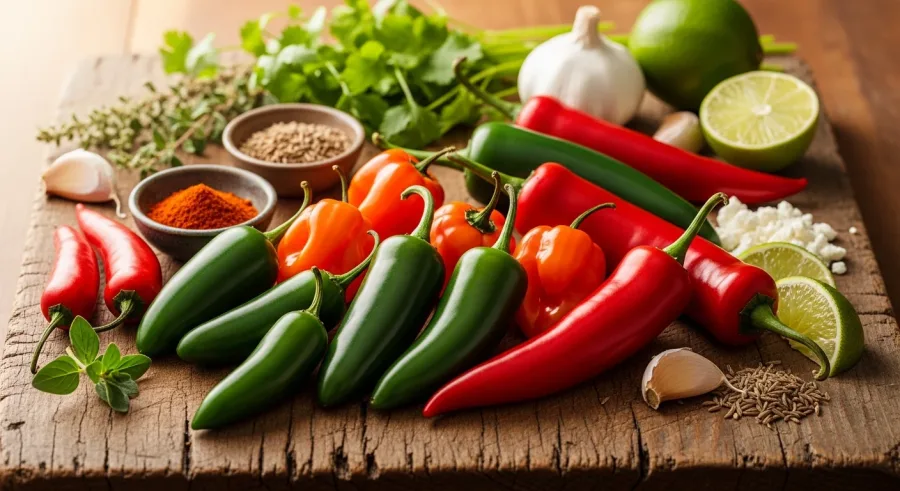
In Short
Dairy, dark chocolate, citrus, tropical fruit, cooling herbs, and roasted alliums all pair exceptionally well with chili peppers. How a squeeze of lime tricks your brain's temperature receptors (and why cocoa powder changes the entire flavor profile of spicy meat) is below.
A raw look at the numbers shows exactly why pairing chilies requires thought. According to USDA FoodData Central, 100 grams of canned green chili peppers (often used as a chili base) contains 21 calories, 0.72g of protein, 0.27g of total fat, 0.03g of saturated fat, 4.6g of carbohydrates, 1.7g of fiber, 0g of sugar, and 397mg of sodium. Because the pepper itself brings almost zero structural fat or natural sweetness to the table, the ingredients you put next to it have to do all the heavy lifting to balance the heat.
The Dairy Trick Actually Works
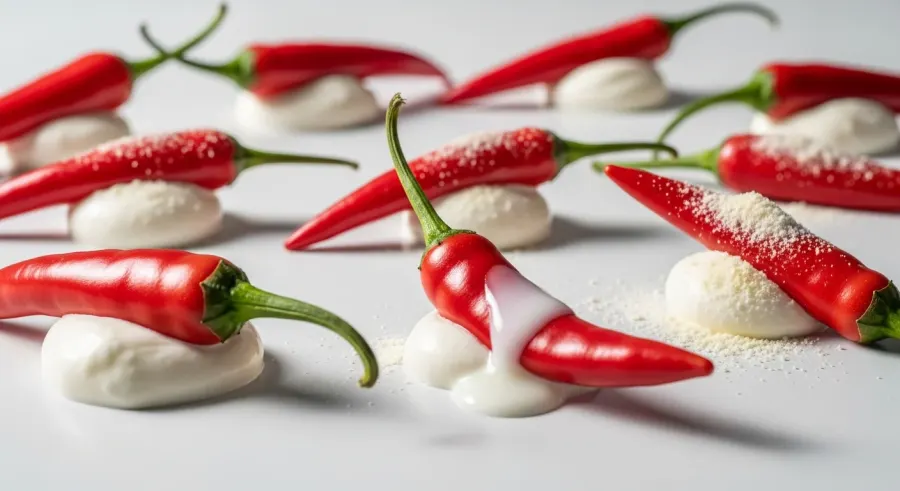
We instinctively reach for milk when a pepper burns too hot, and the biochemistry completely validates this impulse. Capsaicin, the primary compound responsible for the burning sensation in chili peppers, is highly fat-soluble and hydrophobic (meaning it repels water). If you try to wash away the heat with a glass of ice water, you are simply spreading the capsaicin oils across a wider surface area of your tongue.
Dairy introduces casein, a family of proteins that act almost like a biological detergent. A 2022 study in the Journal of Food Science demonstrated that micellar casein physically binds to free, unbound capsaicin molecules and lifts them off your tongue's pain receptors. The researchers found that maximum burn intensity decreased linearly as the concentration of casein increased.
This means the fat percentage of your dairy pairing matters immensely. Skim milk lacks the necessary lipid structure to effectively pull the capsaicin away, while full-fat sour cream, crema, or whole milk yogurt excels at it.
Works beautifully when you drop a cold dollop of full-fat sour cream onto a steaming bowl of spicy stew just before serving. The temperature contrast adds an extra layer of sensory relief. However, skip melting aged, hard cheeses into a delicate citrus-and-chili marinade. The high acidity will curdle the milk proteins before they can bind to the capsaicin, and aged cheeses simply do not possess enough moisture to coat the palate effectively.
Dark Chocolate and Cocoa Powder
Mesoamerican cultures were blending cacao with chilies centuries before sugar became a global commodity. The pairing is foundational to dishes like traditional mole, and it relies heavily on how fat and bitterness interact with spice.
When you introduce dark chocolate to a chili-heavy dish, the cocoa butter goes to work immediately. Much like dairy fat, the cocoa butter coats the mucous membranes in your mouth, softening the fiery impact of the capsaicin. Beyond the physical mouthfeel, the natural bitterness of the cacao provides a grounding contrast to the sharp, high-noted heat of the pepper, creating a flavor triangle of bitter, sweet, and hot.
You do not need to use a sweetened chocolate bar to achieve this effect. Unsweetened cocoa powder is loaded with glutamate (an amino acid that registers as savory umami on the palate) and shares several earthy flavor compounds with dried chilies.
Adding just one tablespoon of unsweetened cocoa powder to a pound of chili-spiced ground meat during the last 20 minutes of simmering deepens the savory notes without making the dish taste like a dessert. The cocoa operates entirely in the background, making the spices taste richer and more resonant.
Tricking Your Brain With Mint
This pairing relies entirely on a biological loophole. Your tongue processes temperature and spice through a network of specialized pathways. Capsaicin triggers the TRPV1 receptor in your mouth, which is the exact receptor responsible for detecting dangerously hot physical temperatures (specifically anything above 109°F or 43°C). When you eat a chili pepper, your brain literally believes the tissue in your mouth is burning.
Menthol, the active compound in mint, triggers a completely different pathway called the TRPM8 receptor, which is responsible for detecting cold temperatures. A 2016 study published in the Journal of Physiological Sciences demonstrated a reciprocal effect where menthol actually provides a localized analgesic effect against capsaicin-evoked irritation.
When you eat mint and chili together, your brain receives conflicting signals simultaneously: the tissue is reporting extreme heat and freezing cold at the exact same time. This creates a vibrating, cooling hum on the palate rather than a flat sensation of pain.
Works perfectly raw as a finishing garnish on spicy curries or folded into a fresh green chili chutney right before serving. But skip tossing mint into the actual simmering pot—heat rapidly destroys the volatile menthol compounds, leaving you with a muddy, grassy flavor instead of that crisp cooling effect.
Coffee and Charred Onions
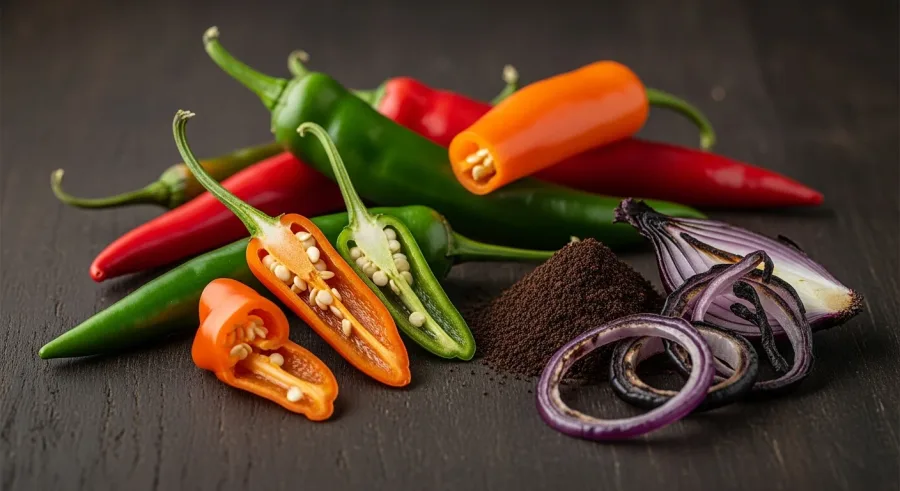
Exposing chili peppers to high temperatures fundamentally changes their chemical makeup. When you dry-roast chili seeds or pods in a hot skillet, a nonenzymatic Maillard reaction occurs. According to a 1999 analysis in the Journal of Agricultural and Food Chemistry, roasting chili seeds at 410°F (210°C) for just a few minutes triggers the formation of alkylpyrazines. The most prominent of these is 2,5-dimethylpyrazine, a volatile compound that humans perceive as smelling deeply of caramel and roasted nuts.
This is exactly why dark roast coffee and heavily charred alliums pair so seamlessly with smoky chilies like ancho, pasilla, and chipotle. Coffee beans and white onions undergo their own heavy Maillard reactions during roasting and cooking, developing overlapping pyrazine structures. When you combine them in a single pot, the flavor compounds lock together, amplifying the earthy depth of the dish without increasing the perceived heat.
You can exploit this chemical bridge by adding a single shot of freshly brewed espresso (about 1.5 ounces) to a pot of chili or a heavily spiced braise during the last hour of cooking. The bitterness of the coffee grounds out the sharp upper notes of the capsaicin. Similarly, aggressively charring white onions in a dry cast-iron pan until they are blackened on the edges before blending them into your salsa base will draw out those nutty pyrazines beautifully.
Why Lime Makes It Feel Hotter
Acidity changes how your tongue registers spice on a structural level. What makes citrus such a fascinating pairing for chili peppers is that the TRPV1 heat receptor is actively potentiated by low pH.
In an acidic environment—like when you introduce fresh lime or lemon juice—the receptor becomes significantly more sensitive. The activation threshold drops from 109°F down closer to normal human body temperature (98.6°F or 37°C). This means the ambient warmth of your own mouth is suddenly enough to trigger the heat receptors.
Adding a heavy squeeze of lime juice to a chili dish immediately makes the spice feel brighter, sharper, and more aggressive on the front of the palate. It cuts cleanly through heavy, fatty meats like pork shoulder or braised beef, waking up flavors that might otherwise feel muffled by rich cooking oils.
Works perfectly as a last-minute addition to a fatty taco or a rich bowl of pozole, where the acid can lift the entire flavor profile. But skip squeezing raw citrus into a slow-simmering chili con carne that you plan to cook for hours. Volatile citrus oils and fresh ascorbic acid degrade rapidly under sustained heat, turning dull and slightly metallic.
Tropical Fruit as a Sweet Buffer
Fresh tropical fruit provides a necessary structural contrast to heavy heat. Because chili peppers naturally lack sugar, introducing a highly sweet ingredient like mango or pineapple creates a sensory buffer. Sucrose does not chemically neutralize capsaicin the way casein does, but it alters your perception of it, distracting the brain's sensory pathways and making the burn feel much more manageable.
Beyond just the sugar content, tropical fruits bring powerful enzymatic action to the table. Pineapple contains bromelain, a proteolytic enzyme that breaks down tough protein fibers. If you are blending a spicy marinade for chicken or pork, the fruit enzymes tenderize the exterior of the meat, allowing the capsaicin and fruit sugars to penetrate much deeper during the resting phase.
Combine half a cup of diced pineapple with a single minced habanero, a teaspoon of salt, and a splash of neutral oil, then purée it into a glaze. The salt draws out moisture, the enzymes break down the meat, and the sugar buffers the aggressive heat of the habanero, resulting in a balanced, highly functional pairing.
Cinnamon and Warm Spices
Warm spices bridge the gap between savory and sweet applications, creating a sense of depth that a chili pepper cannot achieve on its own. Cinnamon contains a compound called cinnamaldehyde, which activates the TRPA1 receptors in your mouth—often referred to as the irritant receptors.
While capsaicin hits you with a sharp, localized burn, cinnamaldehyde creates a broad, warming sensation that spreads across the entire palate. When you pair them together, the heat feels multidimensional. It starts sharp from the chili and finishes warm and mellow from the cinnamon. This combination is particularly effective with dried, earthy peppers like guajillo or dried pasilla, which naturally carry hints of raisin and dark fruit.
To get the most out of this pairing, the spices need to be bloomed in fat. Toast one 2-inch whole cinnamon stick alongside three or four dried, seeded guajillo chilies in a tablespoon of neutral oil. Keep the heat medium-low and pull them off after about 45 seconds to prevent the cinnamon from turning bitter. The fat-soluble compounds will release into the oil, creating a deeply aromatic base for stews or rich sauces.
Bottom Line
Balancing spice is mostly about understanding how your tongue reacts to temperature, fat, and pH. The pepper provides the baseline heat, but the ingredients you build around it determine whether that heat is a blunt instrument or a complex flavor. A splash of lime will always wake a dish up, while a spoonful of dairy will pull it back from the edge. Once you know how the receptors in your palate operate, you can start building plates that push boundaries without ever overwhelming the people eating them.