In Short
Mint pairs best with rich fats like lamb, starchy vegetables like peas, acidic fruits, and dark chocolate. How its unique compounds trick your brain's temperature receptors (and why it pairs surprisingly well with spicy chili peppers) is detailed below.
When figuring out what flavors pair with mint, you have to understand that the herb is doing a lot more than just tasting green. It actively pulls a thermal illusion on your tongue. The primary compounds in mint bind to the exact same nerve endings that tell your brain when you step into a freezing room, completely changing how you perceive hot fat, sharp acid, and dense sugar.
Why It Works So Well With Lamb
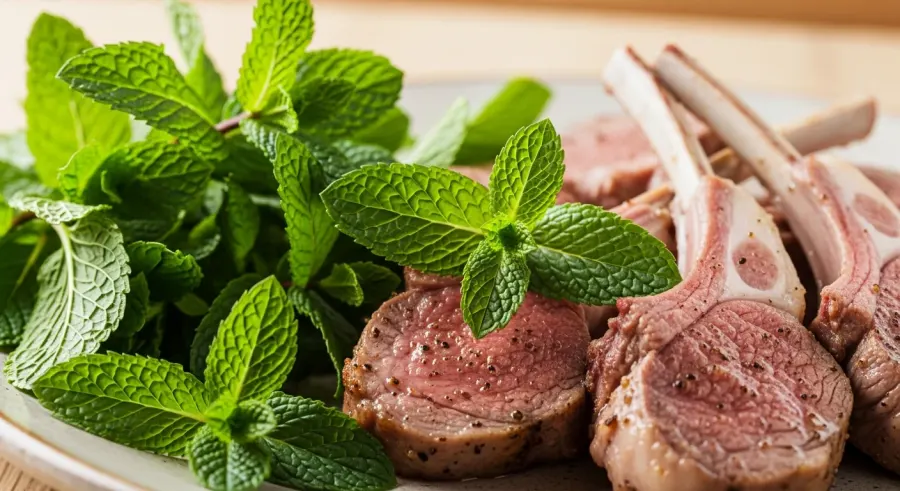
Lamb is a heavy meat. The fat carries an earthy, sometimes gamey density that coats the mouth entirely and lingers long after a bite. When you pair mint with lamb, you are slicing right through that richness, but not because of the flavor itself. It works entirely because of temperature perception.
Menthol acts as a thermal palate cleanser by triggering cold sensors in the mouth, providing sensory relief from those dense animal lipids. A landmark study in Nature (2007) confirmed that menthol binds to TRPM8, the principal receptor for environmental cold. This physically tricks the brain into feeling a temperature drop.
But you rarely want peppermint with meat. Spearmint is the culinary standard for savory dishes. Spearmint relies on a completely different compound called carvone, containing less than 1% menthol. Carvone delivers a sweet herbaceous note that binds seamlessly with the earthy amino acids found in roasted meat.
A simple way to use this is blending a quarter cup of fresh spearmint leaves with two tablespoons of white wine vinegar, a pinch of salt, and a splash of olive oil. Brushing this quick sauce onto a roasted lamb shoulder right after pulling it from the oven works perfectly. Keeping the raw herb away from the high roasting heat is crucial. Exposing delicate mint leaves to a 400-degree oven destroys the volatile oils instantly, leaving behind a bitter, papery residue.
The Reason Spring Peas Actually Need It
Ever wonder why spring peas and mint are a permanent fixture on restaurant menus? It all comes down to a strict matching of natural sweetness.
Young peas contain high amounts of natural sugars that begin converting to starch the moment they are pulled from the vine. Carvone, one of the primary mint flavor compounds, carries a gentle, green sweetness that perfectly bridges the gap between those remaining vegetable sugars and the eventual starchiness of the pea. It elevates the vegetable without masking its delicate nature. Peppermint, with its aggressive cooling bite, would completely obliterate the soft flavor of a spring pea.
The thermal application is critical here. If you boil mint leaves along with the peas, the chlorophyll degrades and the essential oils evaporate into the steam. The trick is applying it at the absolute last second. Mashing two cups of warm, blanched peas with a tablespoon of butter, then folding in five or six finely chopped spearmint leaves off the heat is the best approach. Zero active cook time for the mint is required. The residual heat from the warm peas is just enough to release the aromatic oils into the butter fat without destroying them.
Why Mint and Chocolate Just Work
Standard chocolate mint confections carry a heavy nutritional footprint. A typical 100g serving contains over 400 calories, around 12g of total fat (mostly saturated fat), roughly 80g of carbohydrates, and over 65g of sugar (USDA FoodData Central).
Yet, the pairing of mint and chocolate feels surprisingly light on the palate. That's the chemical magic of menthol working against heavy cocoa butter. Dark chocolate brings intense bitter notes from cocoa solids and thick, coating fats. Peppermint oil provides a sharp, physical cold contrast. This specific pairing requires peppermint rather than spearmint because you actually need a high menthol concentration—often over 40% in pure peppermint oil—to stand up to the overwhelming weight of the cocoa and sugar.
The melting point of the fat plays a large role in how the flavor releases. Melting a cup of dark chocolate chips and stirring in a quarter teaspoon of pure peppermint extract before chilling it on parchment paper demonstrates this dynamic. Cocoa butter melts just below human body temperature. As the chocolate liquefies on your tongue, the trapped volatile menthol compounds are released all at once, creating a sudden rush of cold flavor that cuts straight through the dense sugar.
What Acid Does to the Leaves
Acid alters how we physically perceive aromatic compounds. When you pair mint with low-pH ingredients like lime, lemon, or vinegar, the bright, volatile oils in the leaves seem to sharpen and jump out at you.
Watermelon is mostly water, but it holds a delicate, melon-like sweetness that gets easily crushed by heavy, woody herbs like rosemary or thyme. Mint works because it floats above the melon. The slight cooling effect enhances the watery, crisp crunch of the fruit, creating a highly refreshing profile that feels colder than it actually is. It's an exercise in matching delicate textures with delicate aromatics.
Tossing three cups of cubed, chilled watermelon with the juice of one lime and eight to ten gently muddled mint leaves creates this effect. The muddling technique matters immensely. Pressing the leaves just enough to bruise the veins releases the oils properly. Shredding or grinding them completely breaks the cellular walls down too far, allowing the chlorophyll to leak out. This introduces a swampy, grassy taste that will easily ruin the clean profile of the fruit. Letting the mixture sit for ten minutes before serving allows the acidic lime juice to extract the flavor safely.
Wait, Mint and Chili Peppers?
Imagine your mouth receiving urgent signals for both extreme heat and sharp cold at the exact same moment.
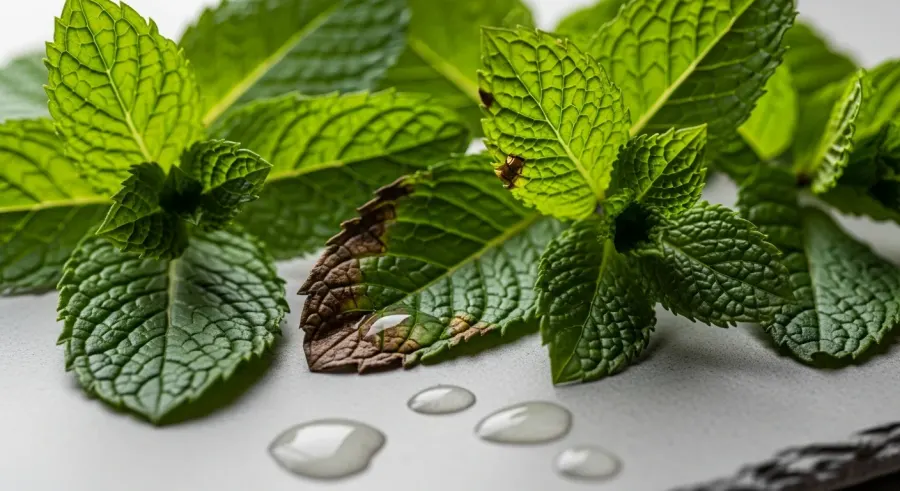
That's the biological result when you pair mint with fresh chili peppers. Capsaicin, the chemical compound that makes peppers spicy, binds to TRPV1 receptors, which register physical heat and pain. Menthol, meanwhile, hits the TRPM8 cold receptors. Combining them causes a harmless but intense sensory cross-fire in your brain. The contrasting signals make the dish taste unusually vibrant, tricking your palate into paying closer attention to the other flavors in the bowl.
This physiological trick works well in fresh, raw applications where the oils are most potent. Dicing one fresh jalapeño and two tablespoons of fresh mint, then tossing both with diced mango and a pinch of salt creates a balanced salsa. The fruit provides a base sugar to carry the intense hot-cold reaction, while the salt balances the burn of the pepper. No cooking is needed, and leaving the ingredients raw ensures both the capsaicin and the menthol remain at their peak intensity.
The Trick for Salty Dairy
Dairy fat naturally mutes strong flavors by coating the taste buds. That's exactly why we pour heavy cream into coffee to cut the harsh bitterness of the roast.
When you introduce a salty, dense cheese like feta or halloumi to mint, the salt acts as a rapid flavor amplifier for the herb's sweet notes. At the same time, the dairy fat softens the sharp menthol edge. You get the fresh, bright aroma of the mint without any of the astringent toothpaste sensation. The dense lipid structure of the cheese essentially tames the leaf, allowing you to use far more mint than you normally would in a dish.
Grilling one-inch thick slices of halloumi cheese over medium-high heat for two minutes per side triggers the Maillard reaction, creating a deep brown crust on the outside while the inside slightly softens. Moving the cheese to a plate and immediately scattering a full tablespoon of fresh, roughly chopped mint over the top allows the warm fat radiating from the cheese to bloom the mint instantly, marrying the salty crust with the cooling herb.
Lifting Up Heavy Root Vegetables
Root vegetables spend their entire lives buried in dirt, absorbing dense minerals. Mint grows upward, characterized by volatile oils that evaporate quickly into the air.
Pairing them is an exercise in grounding the ethereal. Beets and carrots carry a natural earthiness due to a compound called geosmin. When you roast these roots, their natural sugars caramelize, but that heavy dirt-like flavor remains. The carvone in spearmint lifts that heavy profile. The mint provides a high-note aromatic distraction that balances the deep, low-note sugars of the root vegetable. Contrasting a deep earthy base with a highly volatile top note creates a more complete sensory experience.
Roasting three cups of chopped beets at 400 degrees for 40 minutes caramelizes their edges. Letting them cool for five minutes, then tossing them with a handful of torn mint leaves, a splash of orange juice, and crushed walnuts protects the integrity of the herb. Tossing the mint in while the beets are straight out of the oven will instantly wilt the leaves into a black, flavorless mush, so the brief resting period is mandatory.
Bottom Line
Understanding mint is mostly just understanding balance. It's a tool for introducing a physical sensation of cold to things that are too heavy, too sweet, or too hot. Once you stop treating it as just a green garnish and start thinking of it as a thermal contrast, the way you build flavors completely shifts. You start looking at a rich cut of meat or a dense block of chocolate and realizing they just need a drop in temperature.