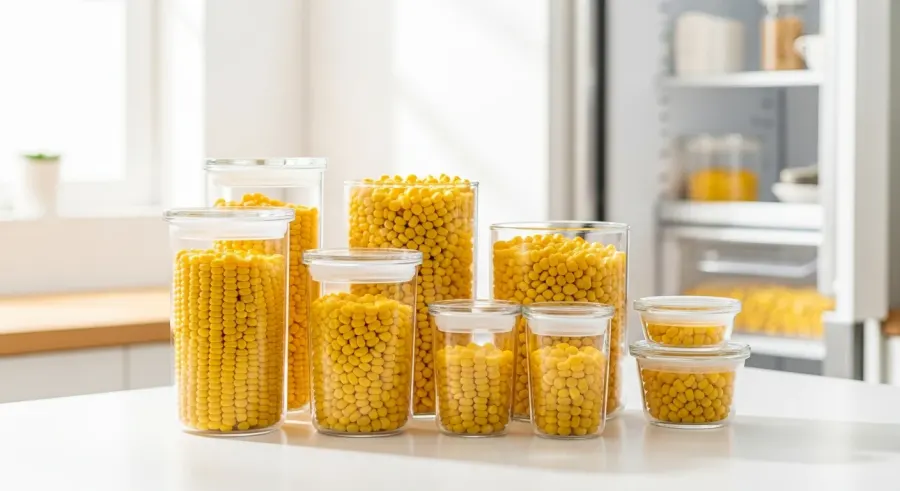
In Short
Keep the husks on and place the ears in the refrigerator immediately to halt sugar loss. Why room temperature ruins the flavor within hours (and the exact freezer trick to save it) is below.
You bring home a dozen ears of perfect summer corn, set them on the counter, and figure you have plenty of time. But sweet corn operates on a strict, biological ticking clock. The moment it leaves the stalk, it starts changing from the inside out.
Why Sweet Corn Has a Ticking Clock
Freshly picked corn is alive, and it is actively breathing. It sounds a bit like science fiction, but in the plant world, corn has one of the highest respiration rates of any harvested vegetable. This rapid breathing requires energy, and the ear gets that energy by systematically converting its natural sugars into starch.
According to the International Journal of Processing and Post Harvest Technology (2014), the temperature of the corn directly dictates the speed of this conversion. When left in a warm environment, the sugar loss is rapid and permanent. This isn't just a slight drop in culinary quality. It changes the entire chemical makeup of the vegetable. The starches make the texture gummy rather than crisp, and the flavor becomes distinctly flat.
This biological clock is exactly why farmers market vendors often keep their harvest shaded or packed tightly in ice. They know that the moment the ear is removed from the stalk, the countdown begins. Cold temperatures slow the respiration down to a crawl, preserving those delicate, water-soluble polysaccharides that give fresh corn its signature milky snap.
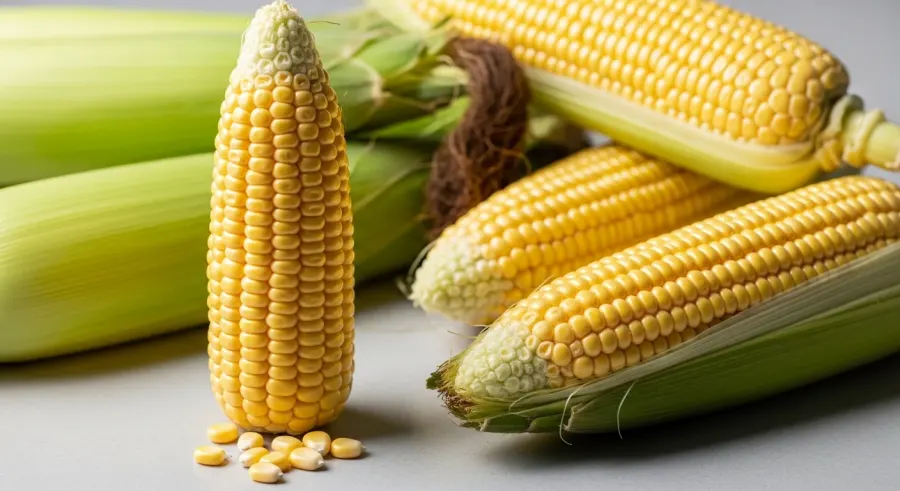
Leaving It on the Counter
Are you eating it tonight? If the answer is yes, the kitchen counter is perfectly fine for a few hours.
Ambient room temperature—usually between 68°F and 72°F (20°C to 22°C)—is generally safe for short-term holding, provided the corn is kept away from direct sunlight or the heat of your stove. A hot kitchen accelerates the sugar loss dramatically. But leaving it out for longer than a single day is a mistake. Within 24 hours at room temperature, traditional sweet corn can lose up to half of its total sugar content. The natural respiration rate burns through those reserves just to keep the plant tissues alive.
If a packed fridge forces you to keep the corn on the counter, the protective green husks must stay entirely intact. Trimming the silk or peeling back the outer layers to check the kernels is a common error. Every exposed area increases the rate of moisture evaporation. The ambient air in an air-conditioned home is usually quite dry, and the kernels will shrivel quickly once exposed. You might get a maximum of two days of shelf life on the counter before the kernels become tough and chewy, but honestly, every hour counts.
The Fridge Trick Is All About the Husks
Four to seven days. That is the realistic window you get when storing fresh corn in the refrigerator.
But the most common mistake happens right at the grocery store display. People love to peel back the green husks to inspect the kernels, or completely shuck the ears right there in the aisle to save space in their trash can at home.
The husk is nature's perfect moisture barrier. The USDA Commercial Storage guidelines state that sweet corn requires an extremely high relative humidity—between 95% and 98%—to maintain its plumpness. The green outer leaves trap the plant's natural moisture exactly where it needs to be.
The crisper drawer is designed specifically to manage this kind of humidity, making it the perfect spot for your unshucked ears. The ideal temperature for sweet corn is 32°F to 35°F (0°C to 2°C), but standard home refrigerators usually sit a bit warmer, around 37°F to 40°F (3°C to 4°C). Because home fridges run slightly warmer than commercial storage, the sugar-to-starch conversion isn't completely stopped, but it is slowed down enough to buy you nearly a week of freshness.
The best method involves placing the unshucked ears directly into a plastic produce bag. Leaving the bag slightly open allows a tiny bit of air to circulate, preventing condensation from pooling at the bottom. That standing water can cause bacterial soft rot, turning the bottom of the cob into mush before you ever get a chance to cook it.
Storing Corn That Is Already Shucked
Sometimes you don't have a choice in the matter. Maybe you bought a pre-packaged tray of naked corn wrapped in plastic, or you got overzealous with meal prep and shucked too many ears.
Once the protective jacket is gone, the kernels are highly susceptible to drying out. Furthermore, corn acts a bit like a sponge for ambient odors in your refrigerator. If a naked ear sits next to half an onion or last night's leftover fish, your sweet corn will take on those flavors.
The fix requires artificially recreating the humid environment of the husk. Wrapping the shucked ears in damp paper towels provides this necessary moisture. You want them slightly moist, not soaking wet, as dripping water invites bacterial growth.
Placing the wrapped ears into a sealed plastic bag or an airtight storage container helps trap that humidity. Your shelf life drops significantly when the corn is stored this way. Expect two to three days before the kernels start looking tired and sad.
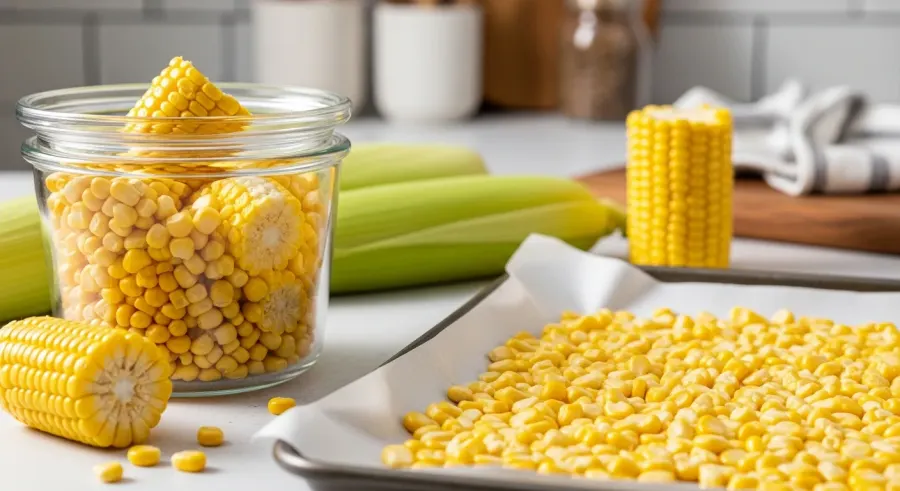
Freezing Takes a Little Extra Work
If a week isn't enough time, the freezer is the only viable option for long-term storage. The environment at 0°F (-18°C) is cold enough to halt almost all degradation, but you cannot simply throw a raw ear of corn into the icebox.
If raw corn goes straight into the freezer, the natural enzymes that cause aging and flavor loss remain completely active. You will pull out an ear six months later, cook it, and find it has developed a terrible, cardboard-like texture and a distinctly musty flavor. The freezing process itself breaks down cell walls, so without halting those enzymes, the corn deteriorates from the inside out while frozen.
The process starts with a large pot of boiling water. The shucked ears need to boil based on their size: about seven minutes for small ears, nine minutes for medium ones, and up to eleven minutes for large, thick cobs.
Once the timer goes off, the hot corn must go immediately into a large bowl filled with ice water. The ears stay in the cold bath for the exact same amount of time they boiled, which drops the core temperature rapidly without overcooking the kernels.
Finally, the corn needs to be dried thoroughly with a clean towel. Vacuum sealing is the gold standard here, but heavy-duty freezer bags work if all the ambient air is squeezed out. Properly blanched and sealed, corn on the cob lasts 8 to 12 months in the freezer.
Spotting the Bad Ears
You will know when corn has given up.
The earliest sign of decline is denting. As moisture leaves the kernel through the porous outer skin, the plump structure collapses inward, creating a distinct little dimple on each individual piece of corn. Postharvest research notes that a mere 2% loss of moisture causes this objectionable kernel denting. Dented corn is still technically safe to eat, but the texture will be leathery and the flavor will lean heavily toward starchy rather than sweet. It is a sign of dehydration, not necessarily rot.
Actual spoilage looks entirely different and carries different risks. Slimy silks or a soft, mushy cob are clear indicators of rot. If the kernels have dark brown or grayish spots, mold has taken hold and the compost bin is its only appropriate destination.
The smell is another dead giveaway. As the sugars break down in a warm, moist environment, bacteria can cause fermentation. Spoiling corn smells distinctly sour, somewhat like a damp kitchen towel left in the sink overnight. The natural earthy smell of the husk is completely replaced by this sharp, unpleasant odor.
Does the Sugar Actually Disappear?
Looking at the USDA FoodData Central profile for certain mature corn batches, you might notice a curious set of numbers: around 15g of carbohydrates, but 0g of sugar. At first glance, that looks like a typographical error. Sweet corn is supposed to be sweet.
But this perfectly illustrates the chemistry of older ears. The sugars do not evaporate into thin air; they link together to form complex carbohydrates. A 2022 study in ACS Food Science & Technology explains that while boiling or steaming doesn't change the sugar concentrations, the post-harvest storage environment absolutely does. The total carbohydrate count remains essentially identical. The macronutrient energy stays the same. The nutrition simply shifts form.
Modern supersweet varieties are bred with specific genetic mutations to slow this conversion down, which is why grocery store corn tastes sweeter today than it did thirty years ago. But for older varieties, or ears left out in the sweltering heat of a late July afternoon, they will literally zero out their simple sugars in a matter of days. The nutrition data doesn't lie—it just tells the story of how the vegetable was stored, and why temperature control is the only way to protect your harvest.
Bottom Line
It is easy to view storage as an afterthought, something you just do to keep food from rotting. But with sweet corn, the storage environment acts almost like an active ingredient in your final meal. A cold environment preserves the delicate chemistry exactly as nature intended, ensuring the corn on your plate actually tastes like the height of summer.