In Short
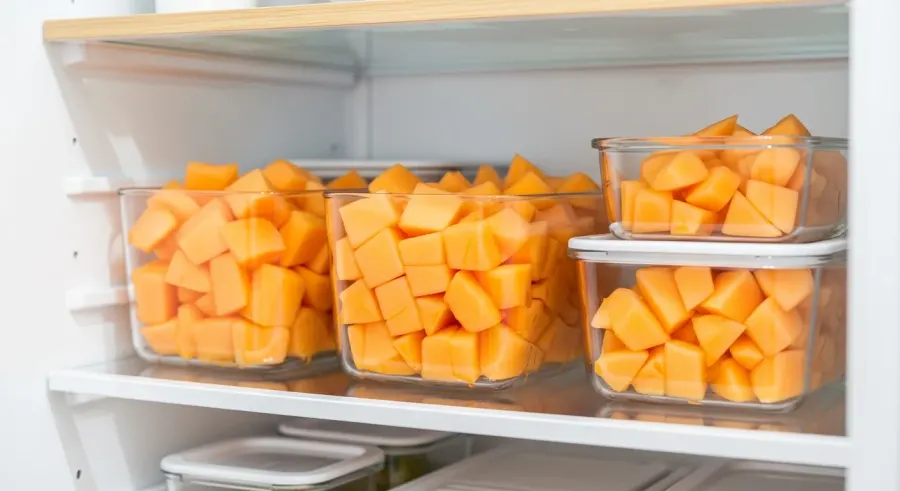
Cut cantaloupe lasts 3 to 5 days when kept in an airtight container in the main compartment of your fridge (below 41°F). It can also survive in the freezer for up to six months, though the texture changes significantly once thawed. The strict two-hour food safety rule you shouldn't ignore is below.
You finally sliced into a perfectly ripe cantaloupe, but now you have more orange wedges than you can eat in one sitting. Dealing with leftover melon is a little trickier than tossing it in a bowl and hoping for the best. Cut fruit is practically a magnet for bacteria, so getting the storage right is entirely about temperature and timing.
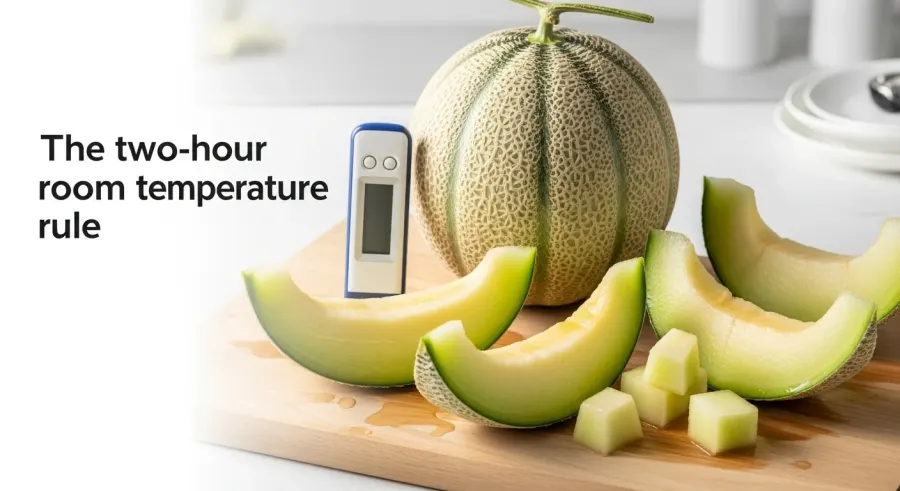
The two hour room temperature rule
Once you cut through a cantaloupe's thick, netted rind, the clock starts ticking. The exposed flesh is highly susceptible to bacterial growth, particularly pathogens like Salmonella and Listeria. Because of this risk, the FDA strongly advises that cut cantaloupe should never sit at room temperature for more than two hours.
The science behind this is pretty straightforward. Cantaloupes have a near-neutral pH and high water content. Once the protective outer rind is breached, bacteria can multiply rapidly at temperatures between 40°F and 140°F. If you are hosting a summer barbecue and the melon is sitting out in temperatures above 90°F (32°C), that safe storage window shrinks to just one hour. After that point, the fruit needs to go straight into the fridge or the trash.
Leaving it on the counter won't make the cut pieces any sweeter, either. Cantaloupe stops producing sugar the moment it is picked from the vine. Room temperature storage only degrades the structural quality of the fruit, causing the pectin in the cell walls to break down and leaving you with a softer, less appealing texture.
Getting the fridge setup right
The refrigerator is where cut melon belongs, but exactly where you place it matters. Your goal is a consistent cantaloupe storage temperature between 32°F and 41°F (0°C and 5°C). According to a 2018 study in the journal Food Chemistry, storing fresh-cut cantaloupe closer to 32°F (0°C) is optimal for preventing microbial growth and preserving its vitamin C content over time.
Keeping the pieces in a tightly sealed glass or heavy-duty plastic container is your best move. Cantaloupe acts like a sponge for ambient odors. If you just leave a bowl of uncovered wedges next to last night's leftover garlic bread, your fruit will taste like garlic by morning. Glass containers with locking lids are particularly effective because they do not absorb smells.
You might be tempted to use the crisper drawer, but that enclosed space is designed to hold in humidity. Trapped moisture makes the melon mushy and moldy faster. Instead, keep the container on a middle or lower shelf in the main compartment where the temperature is coldest and most stable.
Moisture management is another key factor. If you have a large amount of diced melon, it will naturally release juice over time as the cell walls break down. Storing the cubes in a container with a built-in produce strainer or simply placing a folded paper towel at the bottom can keep the fruit from sitting in its own liquid. This prevents the bottom layer of your container from getting waterlogged.
The size of your cuts also dictates how well the fruit holds up. Smaller cubes have more surface area exposed to oxygen, meaning they degrade and get mushy much faster than larger wedges. If you want the fruit to last the full five days with a decent texture, cutting it into thick slices rather than tiny bite-sized pieces is a smart strategy. When stored correctly in the main compartment, the shelf life of cut cantaloupe is about 3 to 5 days.
What about keeping halves?
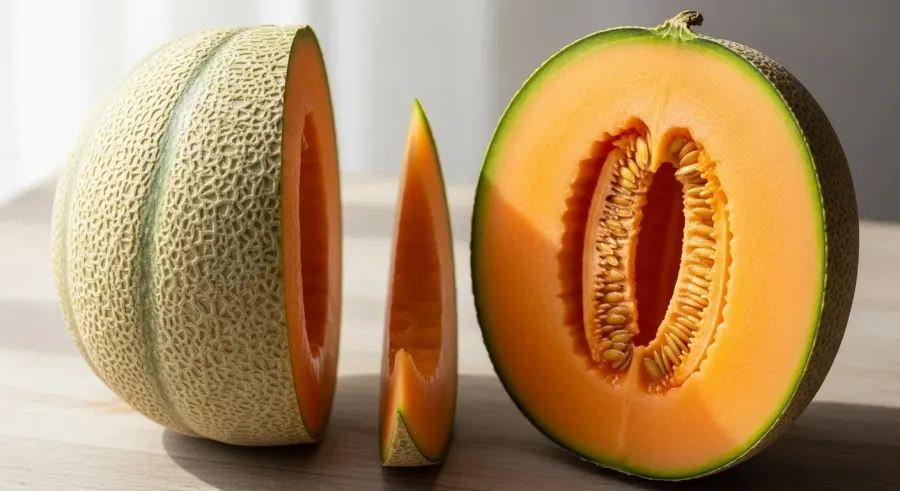
Sometimes you just cut a melon in half and realize you do not need to prep the rest of it right away. Leaving the seeds intact inside the unused half is actually a structural advantage for storage.
The central cavity holding the seeds is full of moisture. Keeping that intact prevents the surrounding flesh from drying out prematurely. You just wrap the entire exposed face tightly in plastic wrap or beeswax wrap, making sure it clings to the edges of the rind. Alternatively, you can place the melon face-down on a flat plate or in a large glass storage container if it fits.
The entire goal is to minimize oxygen exposure to the cut surface. A halved melon stored this way typically lasts the same 3 to 5 days as cubed fruit. However, it often maintains a slightly firmer texture because there is significantly less surface area exposed to the cold, dry air of the refrigerator.
Freezing for later use
Freezing is a reliable backup plan if you know you won't finish the container in a few days. Cubed melon can last up to six months in the freezer without spoiling.
The easiest way to prevent ending up with a giant, frozen block of fruit is by flash freezing cantaloupe chunks first. You spread the pieces out in a single layer on a parchment-lined baking sheet and freeze them for about three hours. Once the pieces are solid, they can go into a freezer-safe bag. Squeezing out as much air as possible prevents freezer burn and flavor degradation.
There is a noticeable catch with the freezing process. Freezing expands the water inside the fruit, which forcefully ruptures the delicate plant cell walls. When thawed, the melon will be soft, slightly stringy, and completely lose its satisfying crunch.
Because of this permanent texture change, frozen cantaloupe is best blended straight from the freezer into smoothies, pureed for sorbets, or used in chilled summer soups rather than eaten on its own. It also works surprisingly well as a flavorful substitute for ice cubes in water or iced tea. If you do need to thaw the melon for a specific recipe, always move it to the refrigerator overnight. Thawing fruit on the kitchen counter pushes it right back into the temperature danger zone, inviting the same bacterial risks that apply to fresh melon.
Spotting a spoiled melon
Even with perfect storage conditions, cantaloupe eventually turns. You can usually spot the signs of spoiled cantaloupe just by looking at it.
Freshly cut cantaloupe has a vibrant pastel orange color and a firm, slightly yielding texture. When it starts to spoil, the flesh gets slimy and excessively soft. You might notice dark spots or a slightly translucent, waterlogged appearance forming around the edges of the cubes. If you see any white or blue fuzzy mold spots, the entire container is compromised. With soft, high-moisture foods like melon, mycelial threads from mold penetrate deep into the flesh far beyond what is visible on the surface.
The liquid pooling at the bottom of your container is another thing to watch. While a little bit of clear juice is a normal byproduct of the fruit sitting, if the melon is swimming in a cloudy, viscous, or thick liquid, that is a strong indicator of advanced bacterial action.
Smell is your other primary indicator (and usually the most obvious one). A fresh cantaloupe smells sweet and mildly musky. If you open your storage container and get a sharp, sour, or fermented odor, the naturally occurring sugars have started to ferment. It is safest to throw the fruit away at that point, since you cannot salvage a fermented melon by rinsing it or cutting away the bad parts.
Bottom Line
Melon storage really just comes down to controlling temperatures and working quickly. The trick is slicing only what you plan to eat, sealing up the rest to block out fridge odors, and getting it into the cold before bacteria can settle in. Taking a few extra seconds to store it correctly means your future self gets to open the fridge to perfectly chilled, safe-to-eat fruit.