In Short
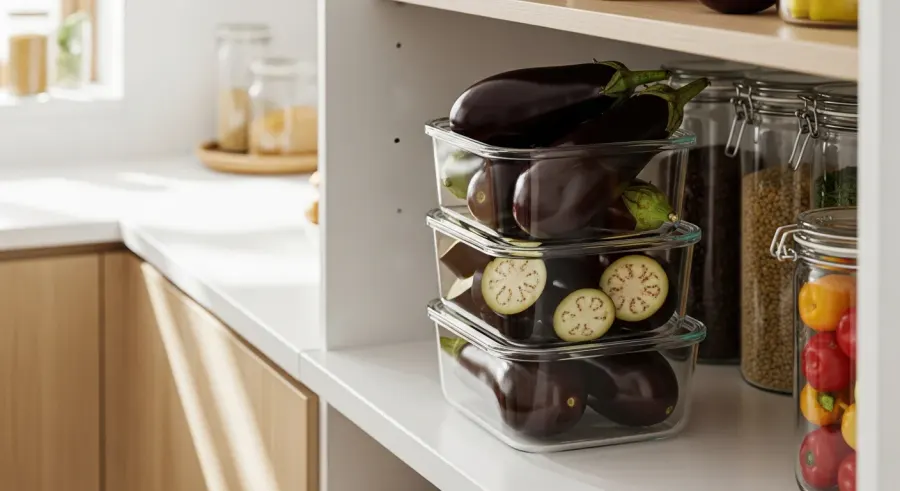
Keep them on the counter in a cool, shaded spot rather than the refrigerator, as standard fridge temperatures cause rapid cell damage. Exactly how cold is too cold (and why apples are their worst enemy) is below.
You just brought home a glossy, flawless eggplant and your first instinct is to toss it into the crisper drawer. (We all do it.) But eggplants are surprisingly finicky about their environment. They are tropical natives that absolutely despise the cold, and figuring out where they actually belong in your kitchen makes a massive difference in how they taste.
Why the Fridge Is Actually the Enemy
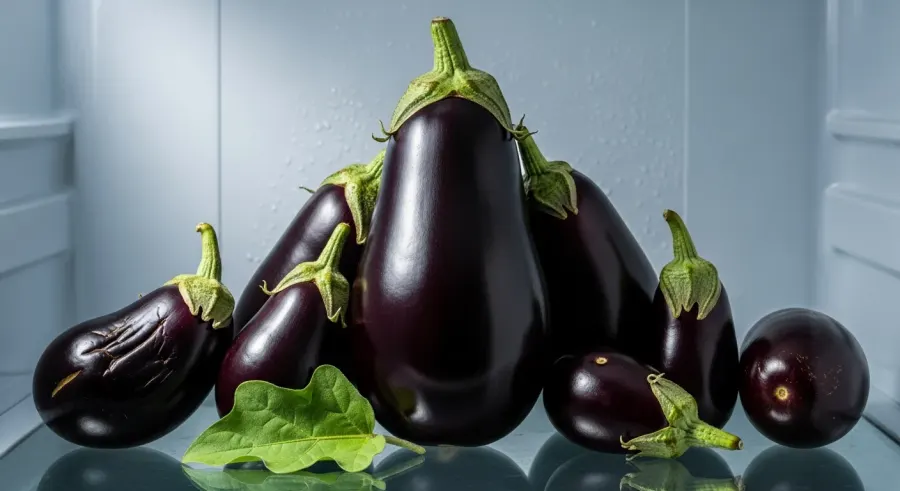
Eggplants are tropical natives that prefer weather feeling like a mild spring day. The average home refrigerator runs between 33°F and 37°F. Dropping a fresh harvest into that icy environment triggers a physiological panic within the plant tissue. According to the UC Davis Postharvest Research and Extension Center, the optimal storage temperature is actually between 50°F and 54°F. Anything colder induces a specific type of damage known as chilling injury.
When exposed to standard fridge temperatures, the cellular membranes of the vegetable undergo a physical phase transition. The lipids in the cell walls stiffen and lose their elasticity, which disrupts the entire internal structure. This cellular damage allows an enzyme called polyphenol oxidase to mix freely with chlorogenic acid and other compounds in the flesh. The immediate result is rapid, aggressive browning. (This is the exact same enzymatic reaction that makes cut apples turn brown on your counter).
The visible damage rarely stops at color changes. Chilling injury also causes the seeds to darken and the surface of the skin to develop sunken, pitted spots. The flesh turns unappetizingly spongy and develops bitter off-flavors. This degradation is cumulative and completely irreversible. Moving a chilled eggplant out of the fridge and leaving it on the counter will not restore its firm texture or reverse the bitterness. The cellular breakdown simply accelerates once it returns to room temperature.
Where to Keep Them Instead
If the cold is so damaging, finding a safe spot in the kitchen requires a bit of strategy. A shaded, cool environment is generally the best condition you can offer. An unheated pantry, a basement shelf, or a wine cooler set to 55°F provides absolute perfection.
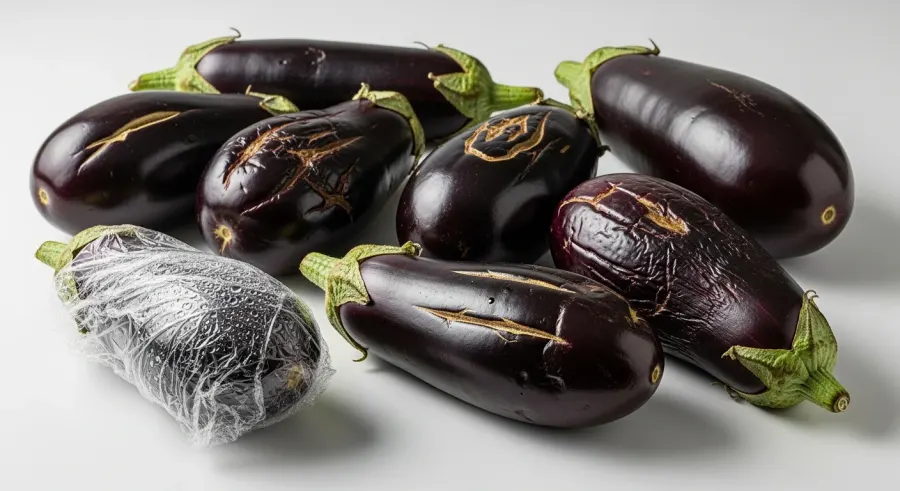
Ambient humidity plays a massive role in how long the vegetable stays firm. Eggplants are mostly water, and they constantly transpire moisture through their porous skin. When the surrounding air is too dry, they lose structural integrity fast. A perfectly fresh specimen will look dull and wrinkled within days if left in a hot, dry kitchen environment.
Keeping them completely out of direct sunlight is non-negotiable. Sun exposure spikes their internal temperature, accelerates moisture loss, and speeds up decay. A ceramic bowl placed in a dark corner of the kitchen counter usually works well for short-term holding. Under these mild, shaded room-temperature conditions, an eggplant retains its glossy finish and firm texture for about three to five days.
Different varieties handle this moisture loss differently. Thin-skinned Asian varieties, like the slender Japanese or Chinese eggplants, transpire water much faster than the thick-skinned American globe eggplants. Because of this, the slender varieties will shrivel up days before a large globe shows any signs of dehydration. The overall volume shrinks as water evaporates. The baseline nutritional profile (USDA FoodData Central logs 25 calories and 3g of fiber per 100g) stays technically intact during this process, but the culinary quality drops rapidly as the flesh gets rubbery.
Keep Them Away From Your Fruit
Just a tiny amount of ethylene gas can ruin sensitive produce. Ethylene is a natural plant hormone released by certain fruits as they ripen, functioning as an invisible signal that tells everything nearby to ripen too.
Eggplants are highly sensitive to this airborne gas. When stored next to heavy ethylene producers, their biological aging process goes into overdrive. The most obvious sign of ethylene damage is calyx abscission. That is the scientific term for the green stem turning brown, drying out, and physically detaching from the top of the vegetable.
Once the stem degrades and separates, bacteria and mold have an easy entry point directly into the soft flesh. The overall deterioration rate skyrockets. Michigan State University Extension guidelines specifically warn against storing ethylene-sensitive vegetables near ripening fruits. Bananas, apples, tomatoes, and melons are the biggest offenders.
A dedicated vegetable basket is the easiest solution for this problem. Storing eggplants next to leafy greens, broccoli, or root vegetables keeps them entirely safe from unwanted hormonal signals. They just need a bit of personal space away from the fruit bowl to maintain their firm texture.
How to Survive the Fridge
Sometimes your kitchen is simply too hot to safely store fresh produce. If the ambient summer temperature is hovering around 80°F, leaving an eggplant on the counter will cause it to rot much faster than chilling injury would ruin it.
The refrigerator becomes the lesser of two evils in this specific scenario. The primary goal is to buffer the vegetable from the harsh cold and extreme dryness of the fridge interior. Wrapping the unwashed eggplant entirely in paper towels provides a helpful layer of insulation. The paper also absorbs ambient condensation, preventing moisture from pooling on the skin and inviting mold.
Once wrapped securely, slipping the vegetable into an unsealed or perforated plastic bag creates a helpful micro-climate. The bag traps just enough humidity to keep the skin from shriveling, while the perforations allow for essential airflow. Placing this setup in the warmest zone of your refrigerator is crucial. Usually, this is the crisper drawer or the top shelf right near the door.
Even with this protective layering, time in the cold is highly limited. The chilling injury clock starts ticking the moment the vegetable temperature drops. The eggplant needs to be cooked within three to four days. Any longer, and the internal browning becomes impossible to ignore. Cut eggplants face an even steeper decline. Once sliced, the exposed flesh absorbs fridge odors and oxidizes rapidly, giving you barely 48 hours to cook it.
The Only Way to Freeze Them
Freezing is a reliable option for long-term storage, but it requires specific prep work to avoid ruining the texture. Tossing a raw, whole eggplant directly into the freezer is a guaranteed disaster.
Ice crystals easily puncture the delicate cell walls, and the active plant enzymes continue to degrade the tissue even at sub-zero temperatures. When thawed, a raw frozen eggplant turns into a black, watery, oxidized mess.
Always blanch eggplant before freezing it. Slicing or cubing the vegetable first makes the thermal process manageable. Boiling the pieces for four minutes stops the enzymatic activity dead in its tracks. This brief heat exposure denatures the enzymes responsible for browning and mushiness.
Immediately transferring the hot pieces into a bowl of ice water halts the cooking process. This thermal shock cooling preserves the texture and prevents the flesh from turning entirely to mush before freezing. After draining and patting the pieces completely dry with a towel, arranging them in a single layer on a parchment-lined baking sheet is the next step. Freezing them flat prevents the pieces from clumping into a giant, unusable block of ice.
Once fully solid, the pieces can be transferred to an airtight freezer bag or vacuum-sealed pouch. When prepared this way, the vegetable maintains excellent quality for up to eight to twelve months.
How to Tell It Has Gone Bad
A perfectly fresh eggplant squeaks slightly when you run your thumb across the skin. The surface should feel tight, glossy, and highly reflective under the kitchen lights.
The very first visual cue of spoilage is a dull, matte finish. When the shiny skin starts to look wrinkled and deflated, the vegetable has lost a significant amount of its internal moisture. Small soft spots along the sides indicate that the internal cellular structure has already collapsed, often due to physical bruising or cold damage.
Texture tells the rest of the story. A healthy eggplant feels heavy for its size and yields only slightly to gentle pressure. If your fingers leave permanent indentations when you squeeze it, aggressive decay is well underway. Smell is another highly underrated tool for checking produce. Fresh nightshades have a distinct, slightly earthy and green aroma near the stem. Spoilage bacteria produce lactic acid and other volatile compounds that give off a sharp, sour odor.
Cutting open a questionable eggplant reveals the final verdict. While slight browning a few minutes after slicing is just harmless oxidation caused by air exposure, pre-existing dark brown mush is a dealbreaker. If the interior smells tangy, feels slimy to the touch, or contains entirely black seeds surrounded by spongy flesh, the vegetable is completely spoiled. It belongs straight in the compost bin.
Bottom Line
Storing produce is mostly about understanding its origins. Because these vegetables evolved in warm, humid climates, treating them more like delicate tropical fruit than hardy root crops solves the majority of storage problems. Keeping them away from extreme cold and ripening fruit preserves their firm texture and sweet flavor, ensuring they are actually worth cooking when dinner rolls around.