In Short
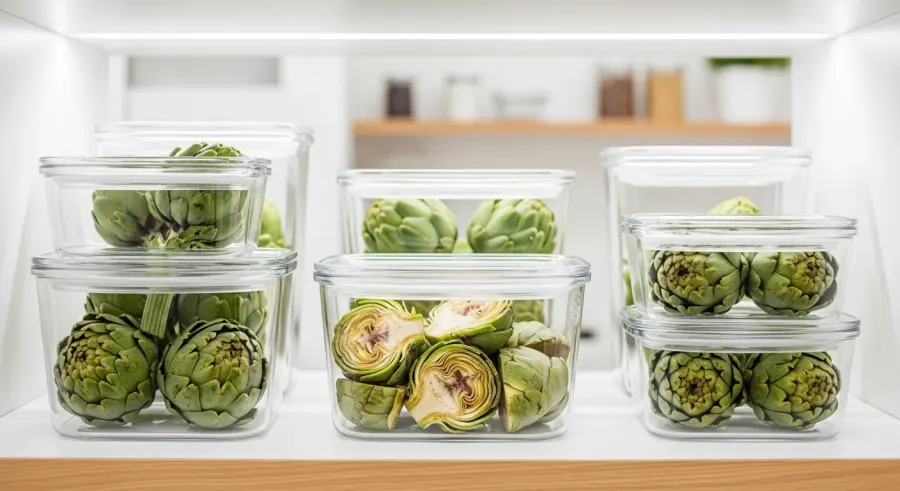
Skip the counter. Artichokes are thirsty flowers that dehydrate quickly, but treating them like a bouquet in the fridge can extend their life up to four weeks. If you want them around longer, you'll need to trim them down to the hearts and break out the blanching pot.
You buy a beautiful, heavy artichoke at the market. Then you leave it on the counter, and two days later it looks like a dried pinecone. Artichokes are notoriously fussy once harvested. Keeping them plump and tender requires understanding exactly what they are—unopened flower buds actively losing moisture by the hour.
Why the Counter Ruins Them
Artichokes are literally flowers. Unopened thistles, to be precise. When you leave them sitting in a fruit bowl at room temperature (around 68-72°F), they immediately start to panic and dehydrate. The moisture that makes them heavy and tender evaporates into the ambient air. Within 48 hours, the outer bracts—what we normally call the leaves—will start to split and shrivel at the tips.
There is a metabolic reality to freshly picked produce. They continue to breathe. Artichokes have a high respiration rate, meaning they burn through their own stored sugars quickly when left in a warm environment. As they respire, they lose turgor pressure. That is the internal water pressure that keeps the plant cells rigid.
If you plan to steam them tonight, the counter is fine. They will survive a few hours. But any longer than that, and you are actively watching their quality decline. They become woody and tough to chew.
The Plastic Bag Crisper Trick
Need them to survive until the weekend? The easiest method requires a sharp pair of kitchen shears and a plastic bag.
You just trim the stems down to about one inch. The stem draws moisture from the heart, and if you leave it too long, it can actually pull water away from the edible part of the vegetable. Next, snap off any exceptionally tough or already-browning bottom leaves, and slide the trimmed artichokes into a sealed plastic bag with a few drops of water sprinkled inside.
This creates a miniature humid environment. You want to place this bag straight into the crisper drawer, which usually hovers between 35°F and 38°F (1.6°C to 3.3°C). Stored this way, they will stay firm and squeaky for five to seven days.
One detail matters here. It is best to leave them unwashed until you are ready to cook them. Trapping standing water between the tight leaves before storage almost always leads to premature mold.
Treating Them Like a Bouquet
Some of the best storage hacks treat vegetables exactly like cut flowers. Because artichokes are buds, they can still drink water through their stems.
Slicing a fresh half-inch off the bottom exposes the vascular tissue. From there, you just stand them upright in a glass jar or vase filled with an inch or two of filtered water, and place the whole arrangement on a shelf in the fridge. You can loosely drape a plastic produce bag over the top to trap humidity, though it is not strictly necessary if your fridge runs consistently cold.
This changes the timeline entirely. The stems absorb the water, keeping the leaves hydrated from the inside out. Every seven to ten days, pull them out, give the stems another fresh trim, and replace the cloudy water with clean filtered water.
Doing this can extend the shelf life to three or even four weeks. They stay remarkably plump. It takes up a bit of vertical space on your refrigerator shelf, but the payoff is entirely worth it if you buy them in bulk at the farmers market.
To Freeze Them, Just Save the Hearts
Ten to twelve months of frozen storage is possible, but you have to do some prep work. You cannot toss a whole raw artichoke into the freezer. The cellular structure will completely collapse. That leaves you with a dark, mushy disaster when they thaw.
You have to strip away the tough outer leaves and scoop out the fuzzy choke until you are left with just the pale heart. As soon as you expose the heart to oxygen, it will start to brown. Drop the prepped hearts immediately into a bowl of water spiked with a generous squeeze of lemon juice. The ascorbic acid prevents oxidation.
According to the National Center for Home Food Preservation, you then need to boil the hearts for exactly seven minutes. Blanching artichokes halts the naturally occurring enzymatic reactions that cause flavor and color loss over time in the freezer. A 100g serving of raw artichokes provides a solid 5.4g of fiber (USDA FoodData Central). While the fiber survives the freezing process just fine, you will lose a fraction of water-soluble nutrients like Vitamin C during the boiling phase (Journal of Agricultural and Food Chemistry, 2008).
It is a necessary compromise for long-term preservation. Once the blanched hearts are cool, pat them completely dry with a towel. Moisture causes freezer burn. Pack them into airtight freezer bags, press out all the air, and stash them in the coldest part of your freezer.
What Happens If You Cut Them Early?
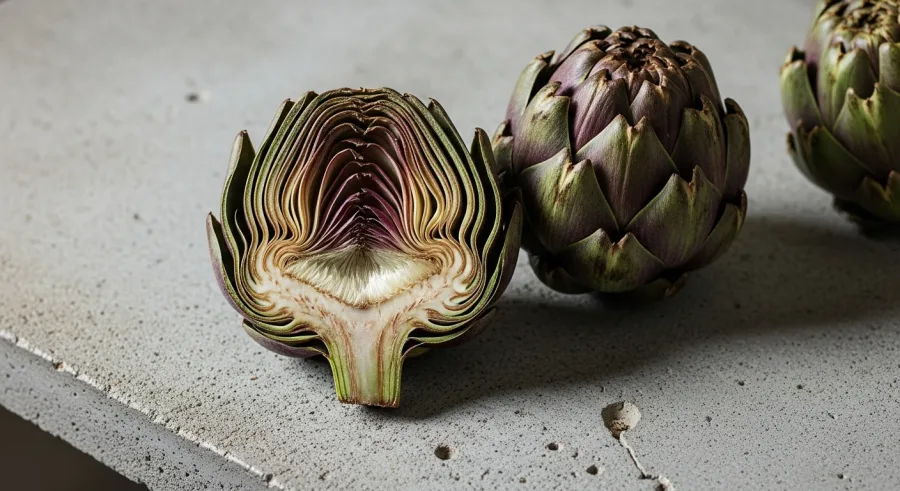
Sometimes meal prep gets ahead of schedule, and you might be tempted to trim your artichokes hours before dinner. Chopping the tops off or halving them early is a fast track to ruin. The moment the internal leaves and heart are exposed to oxygen, enzymatic browning kicks in. Within twenty minutes, the bright green and pale yellow interior turns an unappetizing grayish-brown.
If you absolutely must cut them in advance, the only way to store them safely is submerged. You have to keep the cut pieces completely submerged in a bowl of cold water heavily spiked with lemon juice. The ascorbic acid lowers the pH and stalls the oxidation process.
Even with the lemon bath, you really only buy yourself a few hours in the fridge before the texture starts to waterlog. It is almost always better to leave them entirely whole until the water is boiling on the stove.
Common Mistakes That Ruin the Leaves
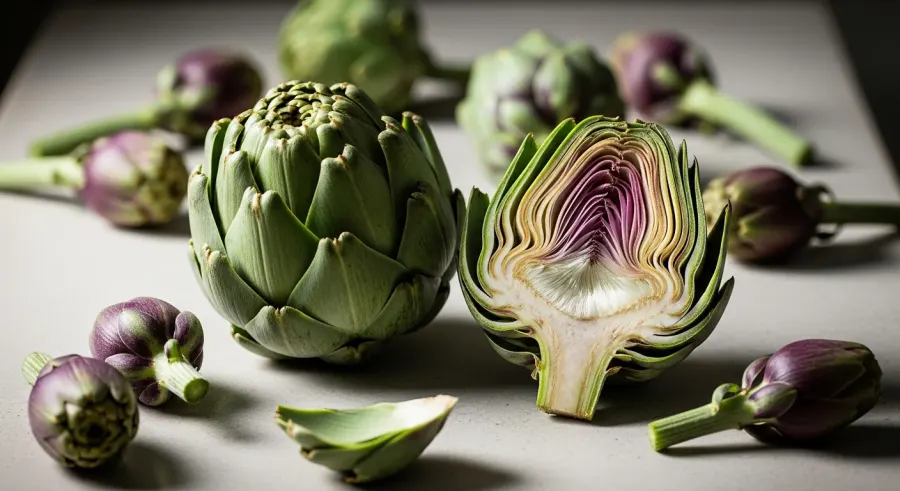
People often assume that because artichokes look like thick armor, they are indestructible. They are actually quite fragile.
The biggest mistake is washing them as soon as you get home from the grocery store. It feels productive to prep your vegetables on grocery day, but artichokes despise trapped moisture. Water pools at the base of the tightly packed leaves. In the dark, cool environment of your fridge drawer, that trapped water becomes a breeding ground for mold. Waiting to rinse them until ten minutes before cooking solves this.
Another frequent error is storing them next to ethylene-producing fruits. Apples, bananas, and tomatoes release ethylene gas as they ripen. This gas accelerates the aging process of surrounding produce. If you toss your artichokes into a crisper drawer filled with apples, the leaves will yellow and the internal choke will mature much faster than it should. Keep them isolated or stored with other low-ethylene vegetables.
What About Those Brown Frost Spots?
Not all discoloration means the vegetable is dying.
Winter and early spring artichokes often sport a mottled, brown, blistered appearance on their outer leaves. This happens when a light frost hits the fields before harvest. It might look like the artichoke has gone bad, but growers actually call these frost-kissed artichokes.
The cold temperature causes the cells in the outer leaves to rupture slightly, which leads to cosmetic browning. But it also concentrates the natural sugars in the plant. Many chefs actively seek these out because they taste noticeably sweeter and more intense.
There is no need to discard them just because they look a little bruised on the outside. As long as the stem is firm, the leaves are tightly packed, and the vegetable feels heavy, a few brown spots are nothing to worry about.
How to Tell When They Go Bad
Give the artichoke a light squeeze. A fresh one will actually squeak a little bit, like wet rubber rubbing against itself.
When they expire, that satisfying tension disappears entirely. The whole vegetable feels spongy, hollow, and suspiciously light for its size. That lack of weight is the most obvious indicator that the internal moisture has evaporated.
Color changes can be a little tricky to read, as noted with frost spots. However, if the base of the stem feels soft, mushy, or slimy, microbial biofilms have taken over. If the leaves pull away with absolutely zero resistance, or if there is a gaping hole in the center where the leaves have gone totally loose, it is time to cut your losses. The compost bin is its best destination at that point. Cooking a severely dehydrated artichoke just results in a stringy, unpleasant side dish.
Bottom Line
It takes a little extra effort to keep an unopened thistle happy. Whether you are treating them to a jar of water in the fridge or boiling down the hearts for a winter stash, protecting their moisture is really the only rule that matters. They are needy, but that tender heart is always worth the trouble.