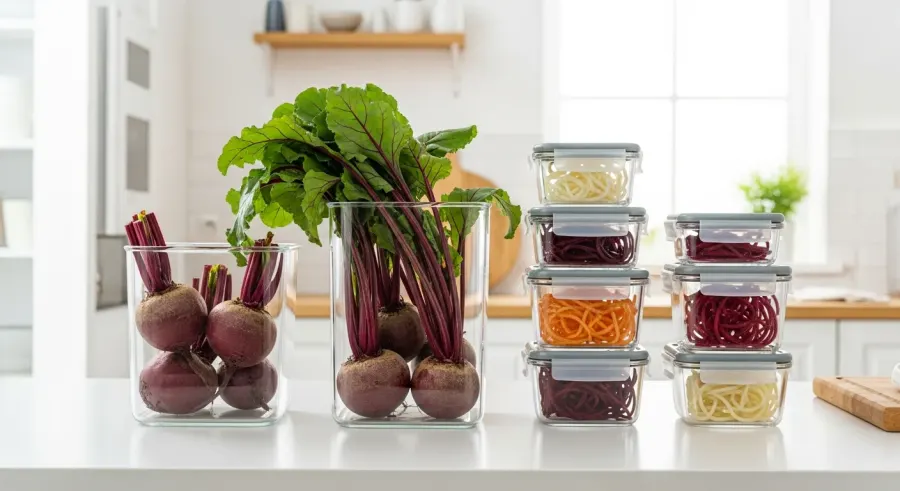
In Short
Trim the greens immediately, skip the sink, and place unwashed beets into a perforated plastic bag in the crisper drawer to keep them crunchy for up to three weeks. If you want to know why washing them first causes rot, or how to properly freeze them for winter, keep reading.
You bring home a beautiful bunch of beets from the market, complete with those lush, leafy tops. By day three on the counter, the greens are limp and the roots feel like soft rubber. Keeping them firm and earthy is simple, but it does require breaking a couple of very common vegetable-prep habits.
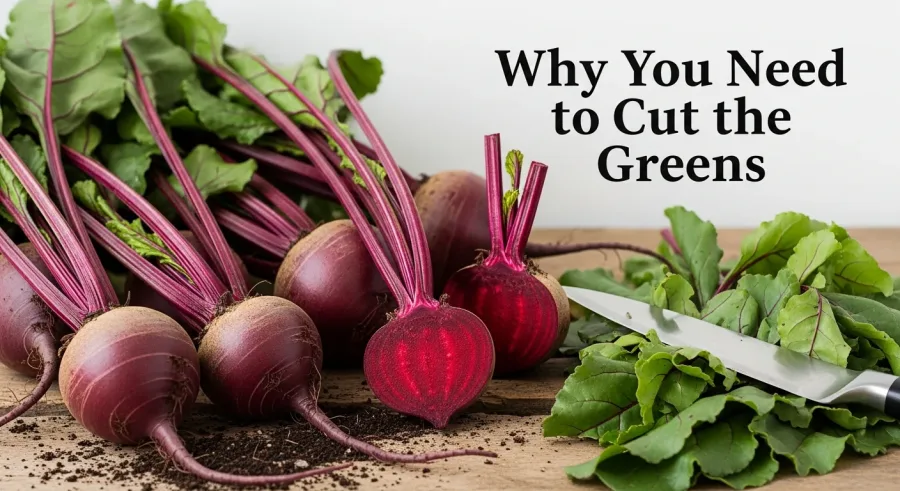
Why You Need to Cut the Greens
The very first step for fresh beets involves a knife. It feels counterintuitive to chop up produce before storing it, but those lush, leafy tops are actually the enemy of longevity.
Botanically, a beet is a taproot—a massive energy and moisture storage tank for the plant. Even after the vegetable is pulled from the soil, the leaves continue to transpire. They breathe, releasing moisture into the air. Since the root is no longer underground absorbing water to replenish the supply, the leaves pull what they need straight from the beet itself. This upward water travel is exactly why intact beets turn soft and shriveled within a few days on the counter.
You will want to cut the greens off immediately, but precision matters here. Slicing the stems about one to two inches above the actual root protects the skin's seal. If you slice directly into the crown of the beet, it will bleed its vibrant juices, leading to faster dehydration and a mess in your crisper drawer.
Storing beet greens requires a completely different approach. They are delicate and wilt fast, sharing a closer structural resemblance to Swiss chard or spinach than to the tough root below. Treated carefully, they hold up in the fridge for three to four days. A gentle rinse in cold water, a quick run through a salad spinner to remove excess droplets, and a loose wrapping of damp paper towels will keep them vibrant. Tucking that paper-towel bundle into an open plastic bag provides just the right mix of humidity and airflow.
The Best Way to Use Your Fridge
Moisture control is a delicate balancing act with root vegetables. You want enough ambient humidity to keep them crisp and dense. Too much direct wetness, though, and they quickly surrender to rot.
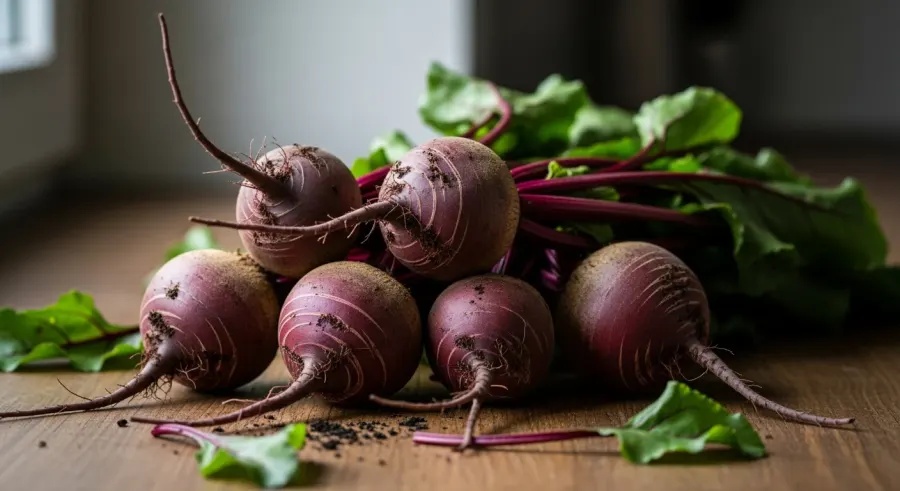
This is why the standard advice on how to store fresh beets starts with skipping the sink. You want to store unwashed beets whenever possible. Soil naturally carries microbes, and introducing tap water gives those microbes the exact environment they need to multiply and cause spoilage. Any dirt left on the skins is completely fine; brushing off the loose clumps with a dry kitchen towel is all the prep they need before hitting the cold.
The most reliable setup involves slipping the dry, unwashed roots into a perforated plastic bag and tucking them into the crisper drawer. The perforations are a critical detail. Beets continue to respire slightly in the fridge. If you trap them in a completely sealed zip-top bag, the moisture they exhale will condense on the inside of the plastic, dripping back down and creating a puddle. That standing water ruins the skin. A perforated plastic bag allows the vegetable to breathe while the crisper drawer itself maintains the high humidity environment they prefer.
Temperature also plays a major role. Beets thrive just above freezing, ideally between 32°F and 40°F. Stored perfectly in an optimally cold fridge, they easily maintain their snap for two to three weeks. If you manage the moisture levels and keep the temperature steady, they can occasionally stretch up to two months without losing their earthy crunch.
Leaving Them on the Counter
Sometimes the crisper drawer is completely full, or you just plan on eating the vegetables later that evening. Keeping beets at room temperature works for very short stints, but the freshness clock ticks a lot faster outside the fridge.
In historical kitchens, root cellars provided the perfect ambient environment—naturally hovering around 35°F to 40°F with heavy moisture in the air. Modern kitchens, sitting comfortably around 70°F with dry, climate-controlled air, are hostile territory for taproots.
If you have to leave them out, a cool, dark, and dry spot provides the best makeshift environment. A basement shelf or a low pantry cabinet far away from the heat of the oven usually does the trick. Keeping them out of direct sunlight prevents the skins from warming and dehydrating faster. Even in those optimal room conditions, they only maintain their firm texture for three to five days.
After that brief window, they begin to degrade rapidly. The dense flesh turns pliable, and the satisfying snap you expect from a raw slice vanishes. If you aren't planning to cook a fresh harvest within the work week, relying on the fridge is a much safer bet.
Why Freezing Requires a Stovetop
Tossing raw vegetables straight into the freezer might seem like an easy shortcut, but it yields mushy, disappointing results. The cellular structure of a raw beet does not survive the freezing process. As the high internal water content turns to ice, it expands, shattering the cell walls from the inside out. If you want to freeze cooked beets successfully—and preserve a texture worth eating in December—you have to lock in their structure with heat first.
The process starts by boiling or roasting them whole. Leaving the skins and the one-inch stem nub intact prevents them from bleeding out their color and flavor into the cooking water. Depending on the size of the harvest, boiling takes about 30 to 50 minutes. You are looking for a tender core; a fork should pierce the center without any resistance.
Once they reach that tender stage, moving them immediately into an ice water bath stops the residual cooking heat. This thermal shock prevents them from turning into absolute mush. It also makes the peeling process effortless. The temperature shift causes the skin to loosen, allowing it to slip right off under your thumbs without the need for a vegetable peeler.
After peeling, cubing or slicing the beets into your preferred size is the next step. Spreading the pieces out on a parchment-lined baking sheet to freeze solid for an hour is a technique called flash freezing. This stops the wet pieces from fusing into a single, unusable block of red ice. Once the cubes are rock hard, they can go into a heavy-duty freezer bag. Squeezing out as much ambient air as possible prevents freezer burn, allowing them to easily last for up to a year.
Knowing When They Are Done For
It is usually pretty obvious when root vegetables give up the ghost. Because they start out so dense and heavy, a noticeable change in weight or firmness is the first indicator that things are going downhill. The most common signs of spoilage are a spongy texture and a deeply wrinkled, dry exterior.
A beet that feels slightly pliable but smells entirely fine is still safe to eat. It has just lost a portion of its water content. It won't be crisp enough for raw preparations like shaved salads or slaws, making it a much better candidate for roasting. High heat softens the flesh anyway, masking the slight loss of freshness.
True spoilage looks and feels entirely different. Once you notice a slimy surface film, patches of white or black mold near the stem, or deep soft spots that cave under light pressure, the root is rotting. Scent is also a dead giveaway. Fresh beets smell distinctly earthy—a characteristic generated by a harmless organic compound called geosmin (Journal of Agricultural and Food Chemistry, 2003). If that pleasant dirt-like aroma shifts into something sour, fermented, or vaguely like ammonia, the vegetable belongs in the compost bin.
Bottom Line
The way you handle a vegetable right after a grocery run often dictates its entire lifespan. A little prep on a Sunday afternoon—clipping the greens and sorting out the crisper bags—buys you weeks of flexibility. It just means the beets will be waiting, firm and ready, whenever you actually have the time to cook them.