In Short
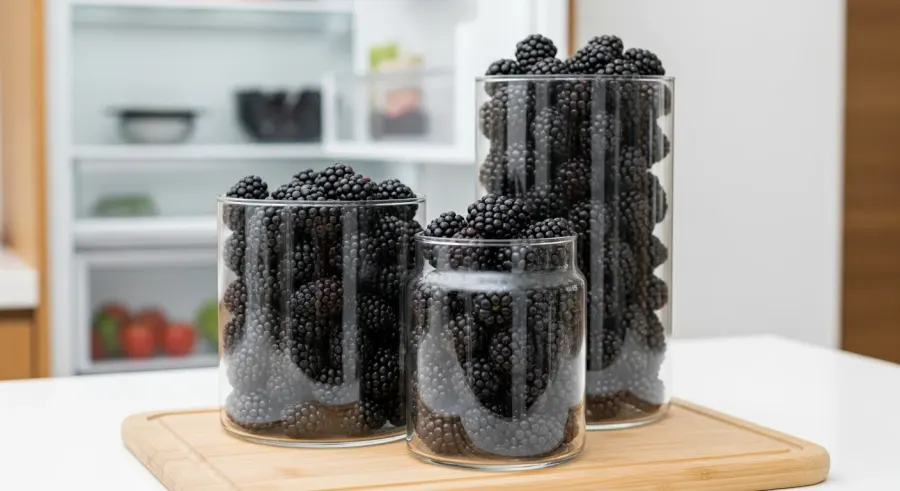
Keep them unwashed in a breathable container at 32°F to 34°F (0°C to 1°C) for up to a week, or freeze them for a year. Why the famous vinegar wash trick is actually a bad idea for these specific berries is below.
You bring home a flawless pint of dark, plump blackberries, and by the next morning, they have started to leak and fuzz. These berries are notoriously fragile, with a lifespan measured in days rather than weeks. Keeping them fresh is mostly an exercise in managing moisture and avoiding sudden temperature swings.
Why They Turn Red
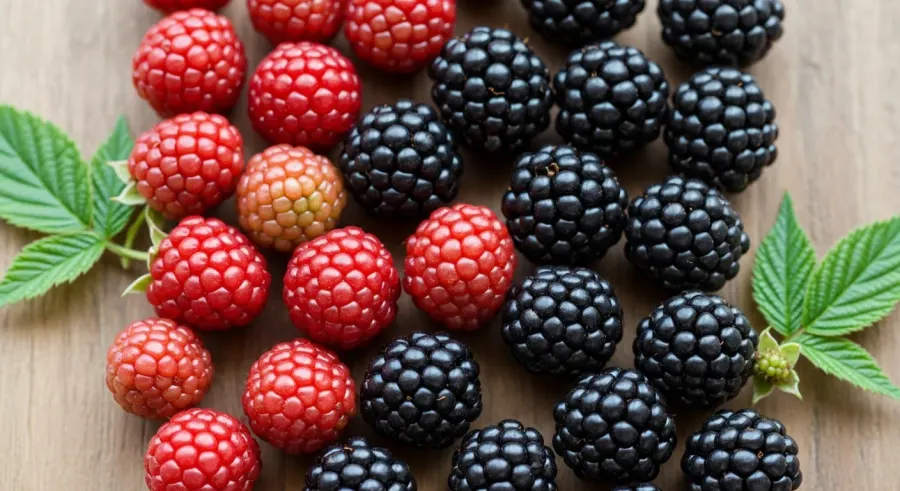
If you have ever pulled a carton out of the fridge and noticed some of the berries turned a mottled burgundy color, you are not alone. It is a phenomenon called red drupelet reversion. (A drupelet is the scientific name for the little round bumps that make up the whole berry.)
When blackberries experience sudden temperature changes or physical compression, their delicate cells undergo a lot of stress. According to research published in the journal HortTechnology in 2018, this environmental stress causes the anthocyanin pigments to alter, making a fully ripe, black piece of fruit revert to a bright red color.
The transition often happens when berries are moved from a warm delivery truck to a cold fridge, or when they are simply squished at the bottom of a heavy plastic clamshell. It is perfectly safe to eat berries that have changed color. The texture might be slightly softer than a firm black drupelet, but the color change is just a cosmetic reaction to cold storage shock rather than a sign of spoilage.
Getting Fridge Storage Right
Blackberries thrive in cold, highly humid environments. The ideal storage temperature is right around 32°F to 34°F (0°C to 1°C) with 90% to 95% relative humidity. Because their actual freezing point is closer to 30.5°F, keeping your fridge just above freezing slows down their cellular decay without turning the internal water into ice crystals.
You will get the best results by keeping your berries in a wide, shallow container. The original commercial clamshell usually works fine because it has built-in ventilation holes, but you want to avoid stacking the berries more than two or three deep. The physical weight of top berries crushes the ones on the bottom, leading to leakage and rapid spoilage.
When you store blackberries in the fridge, the main compartment is usually the best spot. Pushing them all the way to the very back can be risky, since temperatures near the cooling vent can occasionally dip below freezing and damage the fragile cell walls. Kept properly cold and uncompressed, fresh blackberries will last anywhere from two to seven days.
Should You Actually Wash Them First?
You have probably seen internet advice suggesting a vinegar bath to kill mold spores and extend freshness. While a quick rinse of one part white vinegar to three parts water works wonders for sturdy produce like strawberries, blackberries are an entirely different story.
Strawberries have a relatively smooth exterior that can be patted dry. Blackberries are aggregate fruits made of dozens of tiny drupelets. That complex physical structure means water gets trapped in the microscopic crevices between the bumps. If you submerge them in a vinegar bath, drying them completely becomes nearly impossible without aggressive handling. Rolling them on paper towels to get the moisture out physically bruises the fruit and often triggers the red reversion we just talked about.
Most commercial growers recommend skipping the pre-wash entirely. You can just wait to rinse them under cool, gently running water until the exact moment you are ready to eat them. Keeping them dry is the single most effective way to maximize blackberry shelf life and prevent premature mold.
The Problem With Room Temperature
Leaving a carton of fresh fruit on the kitchen counter is a guaranteed way to accelerate its demise.
Blackberries have an exceptionally high respiration rate compared to other fruits. They do not respond to ethylene gas the way bananas or avocados do, meaning they will not continue to ripen or sweeten after they are picked. Instead, they consume their own stored sugars and oxygen, generating tiny amounts of heat and moisture as a byproduct.
At room temperature, this respiration process runs on overdrive. A berry left sitting at 70°F (21°C) will start to soften, deflate, and leak juice within just a few hours. Once they start leaking, moisture pools at the bottom of the container. That standing liquid creates the perfect breeding ground for Botrytis cinerea, the fuzzy gray mold that can wipe out an entire pint overnight. Putting them in the fridge immediately after purchase slows that respiration down to a crawl.
How to Freeze Them Perfectly
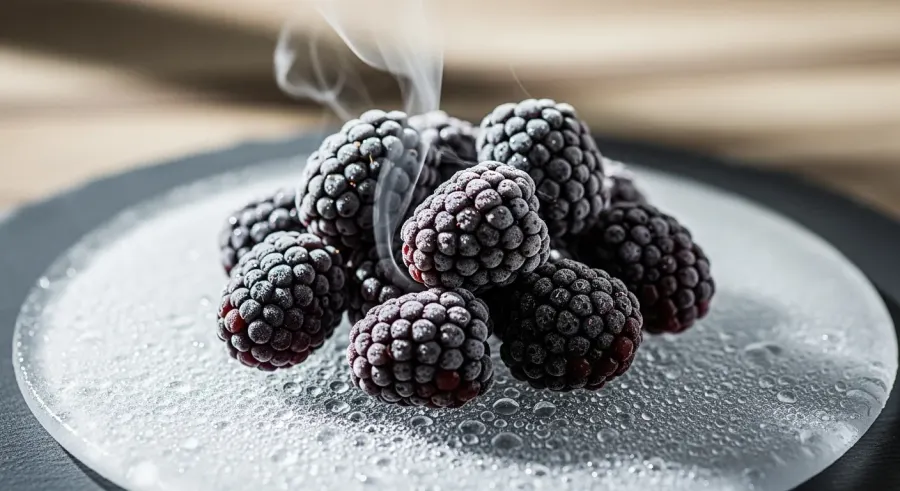
If you bought more than you can finish in a few days, freezing blackberries is your best backup plan. They handle the freezing process beautifully and will retain their quality for up to a year when kept at a steady 0°F (-18°C).
The easiest method is to line a rimmed baking sheet with a piece of parchment paper. You can arrange the unwashed berries in a single layer, making sure they are not touching each other. This extra step prevents them from fusing into a massive, solid block of ice that is impossible to separate later.
They usually need about four hours in the coldest part of the freezer to become completely solid. After that, they can be transferred to a freezer-safe bag or an airtight glass container, with as much ambient air squeezed out as possible. Because frozen berries will lose their firm texture once thawed, they are best used straight from the freezer for smoothies, oatmeal, or baking.
Knowing When They Are Gone
Spoilage is usually obvious, but there are a few specific things to look for when evaluating an older carton.
Moisture is always the first red flag. If you see dark juice pooling at the bottom of the container or soaking into the absorbent pad, the berries are actively breaking down. This structural failure is known in the agriculture world as "leakiness."
Next comes the texture test. A fresh blackberry is slightly firm, plump, and has a slight sheen to its skin. When they turn dull, mushy, or deeply wrinkled, they are past their prime. And of course, any sign of fuzzy gray or white mold means the entire container needs a careful inspection. Any moldy berries should be tossed immediately so the microscopic spores do not spread to the rest of the batch.
What Storage Does to Nutrition
Freezing halts the clock on nutrient degradation, but keeping fresh berries in the fridge for a week will slowly reduce their vitamin content over time.
The baseline nutrition is excellent. According to the USDA FoodData Central, a 100-gram serving of raw blackberries contains just 43 calories, 9.61 grams of carbohydrates, 4.88 grams of sugar, and 5.3 grams of dietary fiber. They also provide 1.39 grams of protein, 0.49 grams of total fat, 0.01 grams of saturated fat, and 1 milligram of sodium.
To get the maximum antioxidant and vitamin benefit, eating them as fresh as possible is ideal. The longer they sit in cold storage, the more those beneficial phytochemicals begin to naturally break down due to oxidation.
Bottom Line
In the end, treating blackberries like delicate, living things is the secret to keeping them around. They do not want to be squished, they do not want to be wet, and they definitely do not want to sit on a warm counter. Giving them a cold, spacious spot in the fridge buys you the time you need to actually enjoy them.