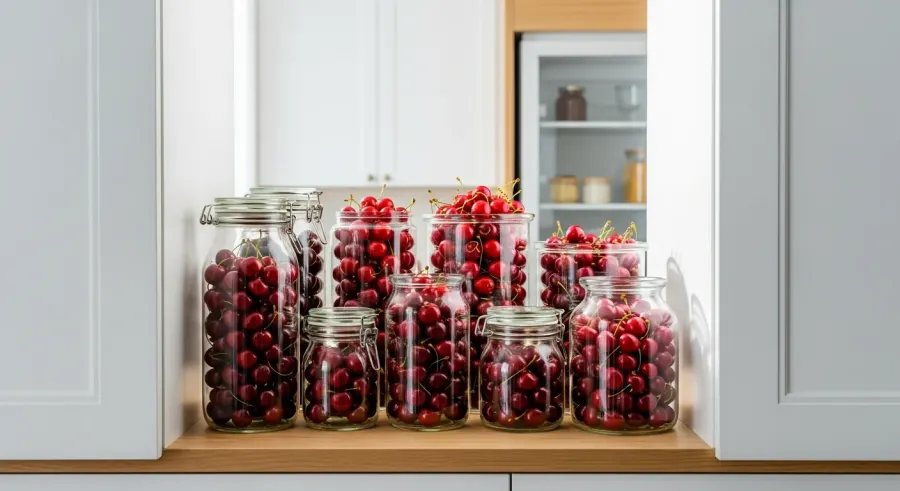
In Short
Keep unwashed cherries with their stems attached in the coldest part of your fridge, loosely covered to maintain high humidity. Why removing the stems early creates a microscopic wound (and ruins your fruit) is explained below.
Bringing home a bag of firm, glossy fruit feels like a minor summer victory. But these delicate drupes start degrading the second they leave the orchard. Keeping them pristine is just a matter of managing moisture and dropping the temperature as fast as your kitchen allows.
Storage Actually Starts At The Store
You cannot preserve what is already dying. The shelf life of your fruit is largely determined before you even put it in your shopping cart.
When digging through the displays at the market, looking closely at the bottom of the plastic pouch is highly revealing. If there are pools of red juice or a sticky residue gathering in the corners, it is a sign that several cherries at the bottom have already split or been crushed. That rogue moisture means rot is quietly spreading upward through the batch. A bag that feels completely dry and looks pristine gives you a much better starting point.
The cold chain is another silent variable. Grocery stores usually keep these displays actively chilled. Transporting a cold bag in a hot car and then leaving it on the counter while unpacking creates rapid temperature fluctuations, which leads to condensation inside the plastic. That sudden moisture spike is a storage disaster. If a bag has completely fogged up on the drive home, taking an extra minute to dump the fruit out onto a dry kitchen towel can save the whole batch. Gently rolling them around to pull off the surface moisture before packing them away in the fridge seems fussy, but keeping those skins bone-dry is the underlying secret to hitting the two-week mark.
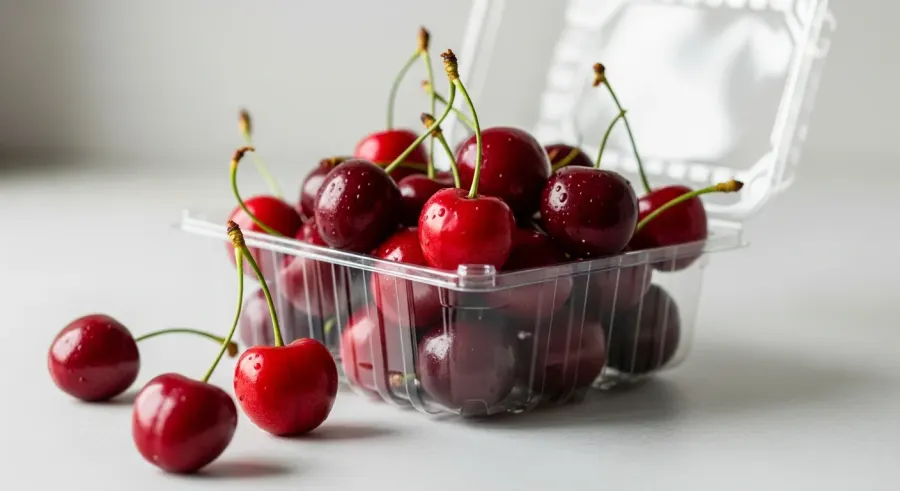
Counter Space Is A Countdown
You know how a peach will sit on your counter for three days and magically transform from a rock into a juicy, perfect dessert? Cherries do not do that. They are what botanists call non-climacteric (meaning they do not continue to ripen after harvest). The moment they are plucked from the tree, they are as sweet and ripe as they will ever be.
Leaving them in a pretty ceramic bowl on the kitchen island might look idyllic, but it forces the fruit to maintain a high respiration rate. They are essentially burning through their own limited sugar supply just to stay alive in the warmth. At standard room temperature, they will start softening and losing their crisp snap in as little as 24 to 48 hours.
The only time they should see the ambient air of your kitchen is about an hour before you eat them. Taking the chill off actually wakes up the volatile flavor compounds, making them taste slightly sweeter and more complex on the palate.
The Stem Trick Nobody Tells You
Pulling all those little green handles off before putting the bag away might save a tiny bit of space, but it is actually the fastest way to ruin a good harvest.
The stem acts as a biological cork. Yanking it out tears a microscopic hole in the skin, right at the top of the fruit. That tiny open wound gives ambient bacteria and mold spores a direct pathway into the wet, sugary flesh. Rot accelerates almost instantly once the skin barrier is broken. This is exactly why you see premium fruit sold with the stems firmly attached—commercial growers know it extends the cherry shelf life by days.
Those stems double as a built-in freshness thermometer. Bright green, flexible stems indicate the fruit was picked recently. When the stems dry out, turn brown, and get brittle, the internal moisture of the cherry is already evaporating.
Wait, Should You Wash Them First?
Produce storage is always a delicate balancing act with water. These little drupes absolutely need high ambient humidity to keep their skins tight, but they will aggressively rot if they sit in actual puddles.
Washing a fresh haul the minute you unload the groceries is a very common mistake. Rinsing introduces trapped moisture right into the dimple at the top where the stem meets the fruit. That standing water acts as a perfect incubator for mold. You can end up with fuzzy white patches in a matter of days just because a few drops of tap water hid in the crevices. They stay much fresher if they remain entirely dry until you are standing at the sink ready to eat.
Finding The Coldest Spot Possible
Commercial agricultural facilities keep this fruit hovering right on the edge of freezing. According to postharvest storage data, the absolute ideal environment for preserving quality is between 30°F and 32°F (-1°C to 0°C). Your standard home refrigerator is usually calibrated around 37°F (3°C), so we are already operating at a slight disadvantage.
To compensate, the goal is to find the chilliest microclimate in your fridge. Pushing the container to the very back of the bottom shelf where cold air settles is a good start, but utilizing your crisper drawer is even better. If your crisper has a humidity slider, pushing it all the way to high is essential. Sweet cherries require about 90 to 95 percent relative humidity. When the air gets too dry, moisture gets pulled directly through the skins, leaving you with sad, shriveled little raisins.
The best setup involves ditching the plastic grocery bag entirely. Transferring the unwashed fruit to a wide, shallow container works wonders. Lining the bottom with a dry paper towel absorbs any rogue condensation, and resting the lid on top without sealing it tight allows for a tiny bit of airflow. Stored this carefully, they can easily last 10 to 14 days.
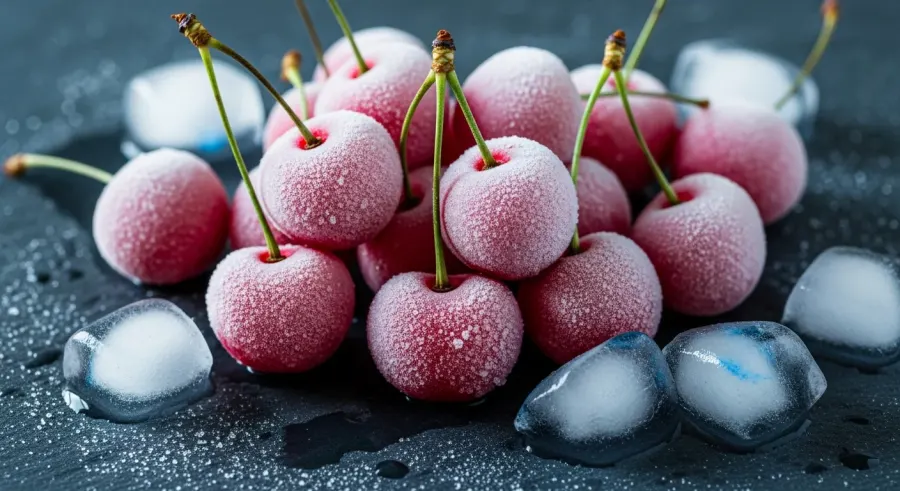
Putting Them In Deep Freeze
Sometimes you just buy way too much at the farmer's market. When you know you cannot finish the batch before they turn mushy, the freezer is an excellent exit strategy.
There is one major caveat to freezing: pitting them first is highly recommended. Freezing fresh cherries whole means the pits can impart a faintly bitter, almond-like flavor into the surrounding flesh over time. More importantly, trying to remove a pit from a rock-hard frozen cherry later on is a fast way to slip and cut your hand.
The process is pretty straightforward. Washing them, drying them thoroughly with a kitchen towel, and popping the pits out sets you up for success. Spreading the pitted fruit out on a parchment-lined baking sheet in a single layer for about four hours prevents them from freezing together into a giant, unusable block of red ice. Once they are solid, transferring them to a heavy-duty freezer bag and squeezing out all the excess air protects them from freezer burn. They will hold their quality for 10 to 12 months. Since freezing ruptures their cell walls, they will thaw out soft, making them perfect for sauces or baking, but less ideal for snacking.
When To Actually Throw Them Out
We all have a personal threshold for imperfect produce, but knowing the actual signs of spoilage keeps you from ruining a good pie or a morning smoothie. The indicators are entirely visual and textural.
A fresh piece of fruit is firm to the touch. Squeezing it gently should reveal a dense, yielding texture that bounces back. If it feels completely mushy, leaks juice without being cut, or collapses under light pressure, it has started to ferment internally.
Looking closely at the skins reveals a lot. Wrinkled, slightly deflated skin just means the fruit is dehydrated. They are perfectly safe to eat, though cooking them down is usually better than eating them raw at that stage. However, spotting any powdery mold—usually starting right at the stem cavity—means you need to act fast. Discarding the affected fruit immediately is crucial. Mold spores spread rapidly in the confined space of a crisper drawer, and one fuzzy cherry will take down the rest of the bowl in a couple of days. A sharp, sour, or alcoholic smell is the final sign that the batch belongs in the compost bin.
The Nutritional Reality Of Cold Storage
Proper temperature management does a lot more than just stop rot. It actively preserves the delicate chemical structure of the fruit. Based on the USDA FoodData Central parameters for raw sweet cherries, every 100g serving contains 63 calories, 1.06g of protein, 0.2g of total fat, 16g of carbohydrates, 2.1g of fiber, 12.8g of sugar, and 0mg of sodium.
Cold storage specifically protects the antioxidant capacity and volatile nutrients. Research published in the Journal of Agricultural and Food Chemistry (2009) demonstrates that keeping temperatures consistently low preserves the antioxidant potential and bioactive compounds of the fruit. When the fruit sits out on a warm counter, it degrades significantly faster, meaning physical quality is lost the longer they sit at room temperature. The cold slows everything down, locking those fragile structures in place.
Bottom Line
The line between a crisp, perfect piece of fruit and a mushy disappointment is thinner than we usually like to admit. It really just comes down to respecting the fragility of the skin and managing the temperature from the moment the grocery bags hit the counter. When the stems stay intact and the ambient moisture is kept at bay, those brief summer harvests can easily stretch out for weeks.