In Short
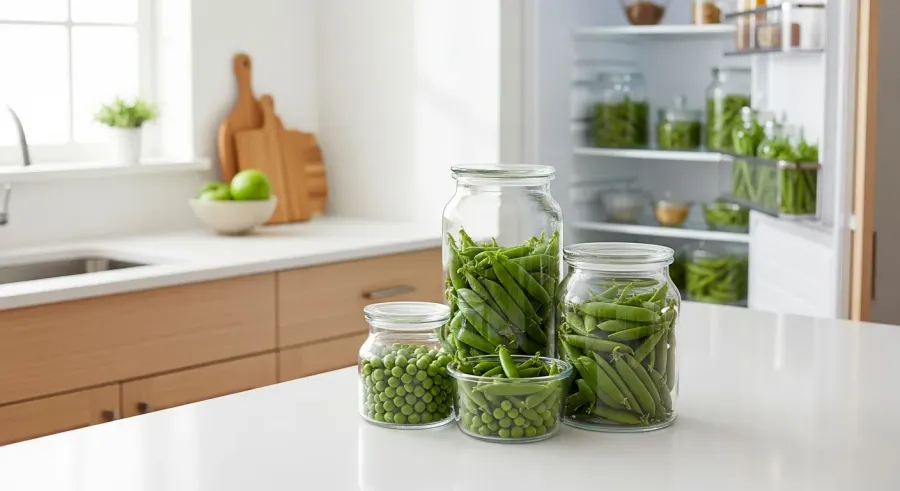
Keep fresh peas in a perforated bag in the crisper drawer for up to five days, or blanch and freeze them for up to a year. Getting them cold immediately is the only way to stop their natural sugars from converting into rigid starches.
You buy a beautiful pint of fresh green peas at the market, looking forward to that sweet spring snap. But if you leave them sitting on the counter, they start chemically altering themselves almost immediately. Storing them correctly isn't just about preventing rot—it is actually a race against their own internal biological clock.
The Race Against the Starch Clock
Peas are biologically active when you bring them home from the farmer's market or pluck them straight from the vine. They do not realize they have been harvested for your dinner. Instead, the plant has a built-in survival mechanism that immediately begins converting its natural sugars into complex carbohydrates for long-term energy storage.
According to the University of Illinois Extension, up to 40 percent of a pea's sugar can convert to starch in just a few hours. This rapid chemical shift is the exact opposite of what you want for a sweet, tender bite. Leaving them on a warm kitchen counter accelerates this enzymatic process, causing the delicate flavor to vanish.
You are left with mealy, bland legumes that taste heavy and dense rather than bright and springy. The ambient heat acts as a catalyst, signaling to the plant cells that it is time to build rigid starch walls. The absolute golden rule of handling fresh peas is simply to cool them down as fast as possible. Any delay directly compromises their natural sweetness.
The Fridge Setup That Actually Works
The cold environment of your refrigerator slows that sugar-converting clock down significantly. You want to aim for standard fridge temperatures between 32°F and 40°F (0°C to 4°C). Keeping them in their pods is the superior method for short-term keeping, as the pod acts as a natural protective barrier against moisture loss.
If you have already shelled them, the storage mechanics shift slightly. Shelled peas are highly susceptible to drying out. The most effective approach involves placing unwashed peas in a perforated plastic bag or a container with small air holes. They need to breathe because they are still respiring and releasing ethylene gas, but they also require high humidity to prevent shriveling. Tucking that loosely wrapped bag into the crisper drawer provides a nice balance of airflow and moisture retention.
Washing the peas or the pods before putting them in the fridge is a common mistake that ruins the batch. Introducing excess water to the surface encourages mold growth and bacterial rot. You only want to rinse them under cold water right before you plan to eat or cook them.
When stored correctly in the crisper drawer, fresh peas maintain a shelf life of about three to five days. However, the quality degrades continuously. They will always taste the sweetest and have the best snap if you consume them within the first 48 hours of harvest.
Why You Absolutely Have to Blanch Them
You might have noticed that commercially frozen peas often taste sweeter than the fresh ones sitting in the produce aisle. That is entirely due to the speed of processing and a vital temperature treatment. If you have a massive garden harvest and need to preserve it, the freezer is your best option.
However, tossing a bag of raw, untreated peas into the freezer guarantees disappointment. The freezing temperatures alone do not stop the vegetable's aging enzymes completely. If blanching is skipped, enzymes like lipoxygenase and peroxidase remain active in the deep freeze. Over a few months, these compounds will slowly turn the peas brown, strip away their vitamins, and develop a harsh, bitter flavor.
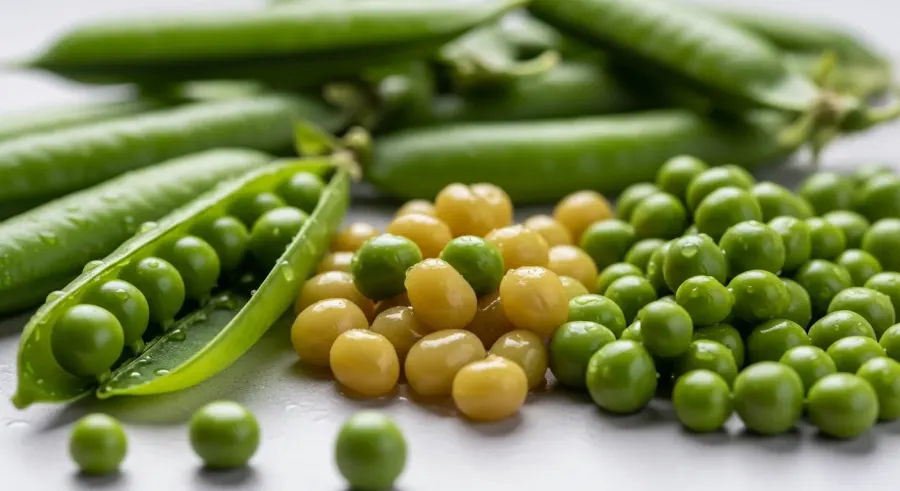
The standard preservation method involves dropping shelled peas into a pot of rapidly boiling water for 90 seconds to two minutes. This brief, intense heat spike permanently deactivates the specific enzymes responsible for quality loss. Timing is highly sensitive here. Pulling them out at 60 seconds leaves some enzymes intact, while leaving them in for three minutes will fully cook them, resulting in a mushy texture when thawed.
Immediately after the boiling water, the peas must be plunged into a bowl of ice water. This sudden temperature shock stops the cooking process dead in its tracks. The ice bath usually takes about three to five minutes to fully cool the batch down to the core.
Freezing Them for the Long Haul
Once the blanching and cooling phases are complete, moisture management becomes the main priority. The peas must be drained thoroughly and patted completely dry with a clean kitchen towel. Any residual water left on the surface will form ice crystals, leading to freezer burn and cellular damage.
The most reliable way to maintain their shape is a technique called flash freezing. The dry peas are spread out in a single layer on a parchment-lined baking sheet and placed in the freezer for about an hour. This freezes them individually, preventing them from fusing together into a massive, unusable green block.
After they are solid, transferring them to an airtight freezer bag or a vacuum-sealed container is the final step. Pressing out as much ambient air as possible prevents oxidation. When stored in a stable freezer environment at 0°F (-18°C), they will easily last eight to twelve months without losing their vibrant color or delicate sweetness.
How to Spot a Spoiled Pea
Sometimes a container gets pushed to the back of the produce drawer and entirely forgotten. You can usually determine when fresh peas have passed their prime just by observing their physical state. The vibrant, spring-green color will gradually fade into a dull, yellowish-brown shade as the chlorophyll breaks down.
If they have been sitting in a poorly ventilated container with trapped moisture, you might notice fuzzy patches of white or grey mold forming on the skins. The texture also offers a clear warning. Fresh peas should always feel firm and have a tight, smooth exterior. When spoilage bacteria take over, the cellular structure collapses, leaving the peas feeling distinctly mushy or slimy to the touch.
Your sense of smell is the final diagnostic tool. A healthy pea carries a very mild, earthy scent. A sour, musty, or slightly fermented odor is a definitive sign that the internal biology has completely broken down. At this stage, they are no longer safe or pleasant to consume, and the entire batch belongs in the compost bin.
Bottom Line
There is a specific kind of magic to a truly sweet, freshly picked pea. Preserving that flavor just requires understanding a little bit about how the vegetable behaves once it leaves the vine. By managing temperature and moisture, you can stretch that brief window of spring freshness out for a few days—or even capture it for the dead of winter.