In Short
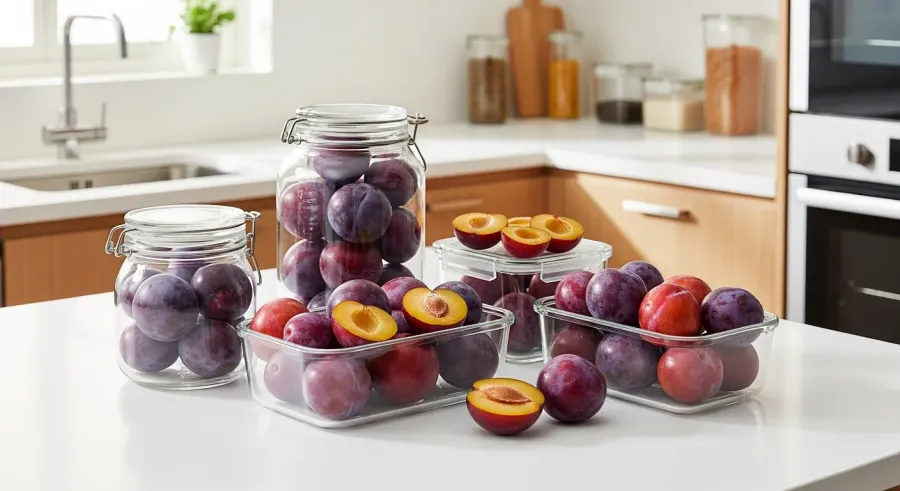
Keep unripe fresh plums on the counter in a paper bag, and move them to the fridge for up to five days only after they soften. Why putting them in the fridge too early causes a bizarre reaction called chill injury is below.
Plums are deeply misunderstood fruits. You buy a beautiful, firm plum, set it on the counter, and return a day later to find a mushy puddle. Or worse, you put it in the fridge immediately and bite into something that tastes like a powdery potato. They operate on a very specific biological clock. Knowing how to manage that clock means the difference between a perfectly juicy bite and a total disappointment. I learned the hard way that you cannot just toss these into the nearest cold box and expect them to thrive.
The Paper Bag Counter Trick
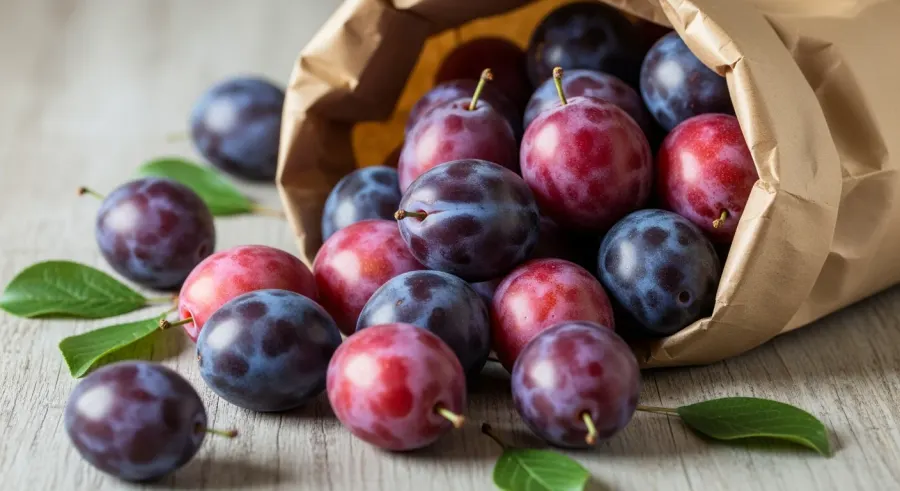
Unripe plums belong on the kitchen counter. If the fruit feels hard to the touch, it is still actively trying to finish its development. Plums are what botanists call climacteric fruits. This means they continue to ripen after they are picked from the tree, driven by a natural plant hormone called ethylene.
A fascinating study published in the Journal of Experimental Botany (El-Sharkawy et al., 2008) highlighted exactly how plums synthesize this gas to trigger changes in color, aroma, and softness. Because they produce their own ethylene, this biology can be used to your advantage. Placing firm plums in a loose paper bag traps the gas around them, speeding up the ripening process. Usually, this takes one to three days.
Paper is crucial here, not plastic. Plastic bags trap moisture, creating a damp environment that encourages brown rot and mold before the fruit ever gets a chance to soften. Paper breathes just enough while keeping the ethylene concentrated.
Direct sunlight should be avoided. A sunny windowsill might look picturesque, but the heat will essentially cook the fruit from the inside out, causing it to ferment before it ever gets sweet. The ideal ambient temperature is somewhere between 68 and 77 degrees Fahrenheit (20 to 25 degrees Celsius). Once the fruit gives slightly when gently pressed near the stem and smells fragrant, its counter time is officially over.
Moving Them to the Crisper Drawer
Now the ripening engine needs to be halted. When a plum reaches that perfect state of slight softness, it will only maintain that peak for about 24 hours at room temperature. The refrigerator acts as a pause button.
Cold air drastically slows down ethylene production and respiration. To get the best results, place the ripe plums in the crisper drawer. You do not want to seal them in an airtight plastic container. Plums still need to breathe a little bit, and trapped moisture will encourage spoilage. A breathable plastic bag with a few holes, or just leaving them loose in the crisper, works beautifully. They prefer high humidity, right around 90 to 95 percent, which the crisper drawer naturally maintains.
Under these conditions, a ripe plum will hold onto its texture and sweet flavor for about three to five days. Commercial cold storage can keep them stable for up to four weeks, but standard home fridges fluctuate too much to match that kind of longevity. It is also wise to keep them away from other heavy ethylene producers in the fridge, like apples or cantaloupes, so they do not accidentally over-ripen while chilled. After about five days at home, you will notice the flesh starting to break down.
The Danger of the Killing Zone
Putting a rock-hard plum straight into the refrigerator is a nearly irreversible error. It seems logical to chill fruit to preserve it, but doing this to immature stone fruit causes a physiological disorder known as chill injury.
Agricultural researchers actually have a name for the temperature range between 36 and 46 degrees Fahrenheit (2 to 8 degrees Celsius). They call it the "killing zone" for stone fruits. Ironically, this is the exact temperature range of almost every home refrigerator. Commercial growers avoid this by storing plums at a precise 31 to 32 degrees Fahrenheit—just above freezing—but home appliances simply cannot hold that temperature safely without freezing your milk.
When an unripe plum sits in a 38-degree fridge, cold temperatures disrupt the natural breakdown of pectins in the fruit's cell walls. Instead of turning juicy and sweet, the flesh becomes dry, mealy, and sometimes brown near the pit. The plum loses its ability to ripen properly, even if taken out of the fridge later. You end up with a fruit that is technically safe to eat but entirely joyless to bite into. Waiting for that slight softness is essential before introducing them to the cold.
Yes, You Can Freeze Them
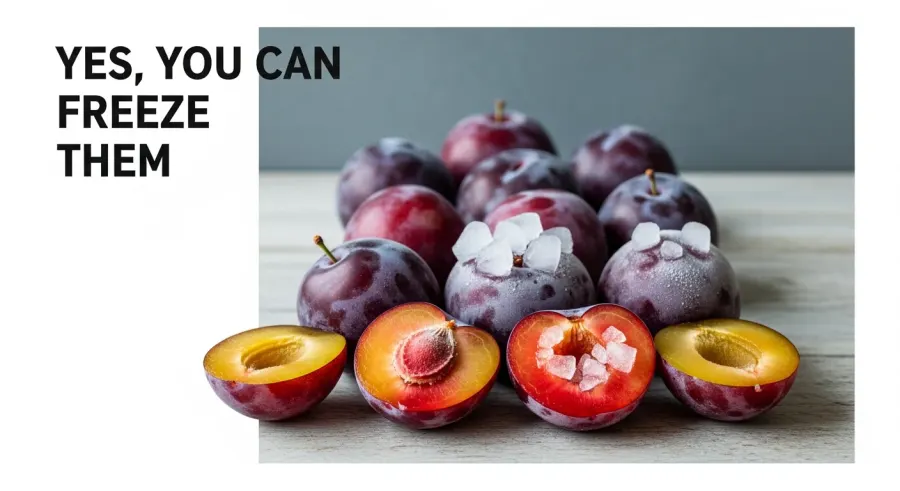
Sometimes you buy a massive flat of plums at the farmers market and realize you cannot possibly eat them all in five days. Freezing is an excellent backup plan, but tossing whole plums into the freezer is a bad idea. The pit will make the fruit nearly impossible to slice later, and the whole structure just turns into an icy, unmanageable boulder.
If freezing is the plan, washing and drying the fruit thoroughly is the first step. Slice them in half and remove the pit. The halves can be left as is, or cut into smaller wedges depending on how they will be used later. Tossing them in a tiny bit of lemon juice helps prevent oxidation and browning.
The pieces can be spread out on a baking sheet lined with parchment paper, making sure they do not touch. The tray then goes into the freezer for a few hours. This method, often called flash freezing, prevents the pieces from clumping together. Once they are frozen solid, transfer the wedges into a heavy-duty freezer bag, squeezing out as much air as possible to prevent freezer burn. Stored this way, they will maintain good quality for six to twelve months. They will not retain their firm structure when thawed, so they are best destined for smoothies, compotes, or baking rather than fresh snacking.
Signs It Is Time to Let Go
Even with careful monitoring, stone fruit eventually gives up. Visual and tactile cues are usually the most obvious indicators that a plum has crossed the line from ripe to ruined.
A little bit of skin wrinkling is normal as the fruit loses moisture in the fridge, but deep shriveling means the flesh inside has dried out. If the plum feels exceptionally light for its size, its water content has evaporated. On the other end of the spectrum, completely mushy spots or areas that leak juice unprompted are signs of active decay.
Your nose is also a reliable judge. Plums have a high sugar content, which makes them prime targets for fermentation. If you detect a sour, vinegary, or alcoholic smell, the fruit has essentially started brewing itself and should be composted.
Keeping the Nutrients Intact
Beyond just preserving the flavor, proper storage helps maintain the fruit's nutritional profile. A raw plum is a modest but solid source of energy and fiber.
According to the USDA FoodData Central, a 100-gram serving of fresh plums provides 46 calories, 11.42 grams of carbohydrates, 9.92 grams of sugar, and 1.4 grams of dietary fiber. They contain barely any fat (0.28 grams) or protein (0.7 grams) and zero sodium.
Leaving plums on a sunny, hot counter for days on end does more than invite fruit flies. Heat and light degrade water-soluble vitamins over time. Moving them to the fridge at peak ripeness slows down this nutrient degradation. Interestingly, freezing them shortly after they ripen locks in these baseline macronutrients and fiber almost perfectly, making a winter plum smoothie just as beneficial as a fresh summer snack.
Bottom Line
Storage isn't just about prolonging the inevitable. It is an understanding of how fruit responds to its environment. A plum's journey from a hard, tart stone to a soft, sugary reward is a delicate balance of temperature and timing. Paying attention to that brief window of perfect ripeness changes how you experience the fruit entirely.