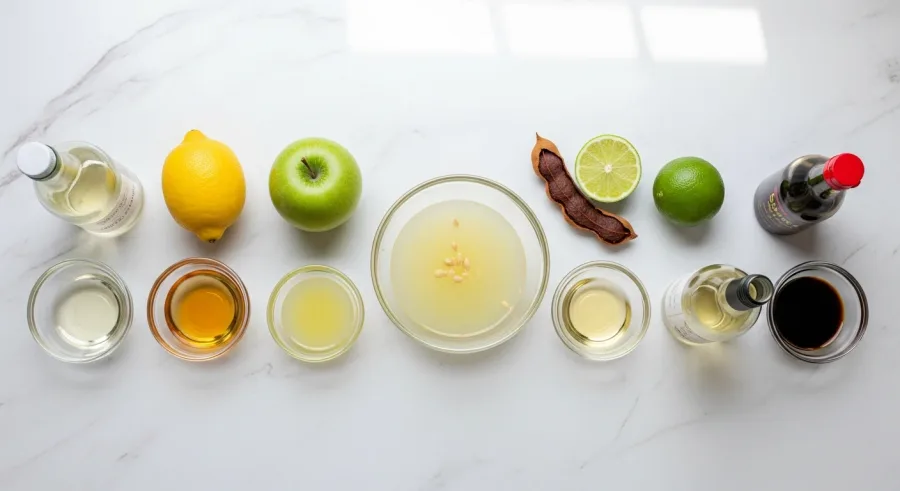
In Short
Lime juice is the closest 1:1 match for most recipes, while apple cider vinegar works best for savory dishes at half the volume. Exactly how to use these alternatives depends entirely on whether your recipe needs a floral citrus flavor or just a sharp acidic bite.
You are halfway through a recipe when you realize the lemon you swore was in the fridge is actually a dried-up lime. Finding the best substitute for lemon juice usually comes down to figuring out what the ingredient was doing in the first place. Sometimes you need a bright floral flavor, and other times you just need an acidic punch to tenderize meat or balance a rich sauce.
Just grab a lime instead
Lime juice sits right next to lemon on the nutritional spectrum. A 100g splash of lime juice carries 25 calories, 8.4g of carbohydrates, and 0.4g of protein (USDA FoodData Central). Compare that to the baseline of 22 calories, 6.9g of carbohydrates, and 0.35g of protein in lemon juice, and you can see why it swaps so seamlessly. They are nutritional twins.
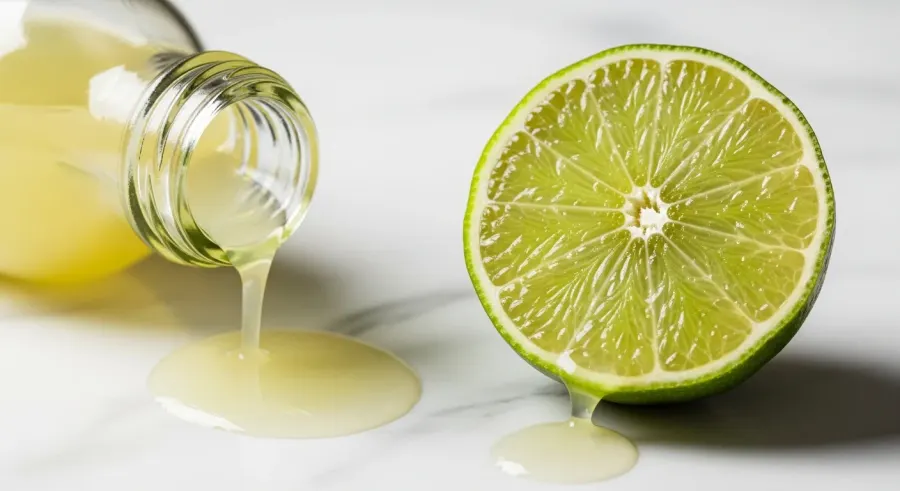
Use a 1:1 ratio. If a recipe calls for two tablespoons of lemon juice, simply squeeze in two tablespoons of lime juice. It works perfectly because the acidic profiles are nearly identical. In fact, limes are actually slightly more acidic than lemons. The pH of lime juice drops between 2.00 and 2.35, while lemon juice hovers a bit higher between 2.00 and 2.60. This structural similarity means lime juice will denature proteins in a ceviche or activate baking soda in a cake batter exactly the way lemon juice would.
The flavor difference is noticeable but rarely a dealbreaker. Limes carry a different set of aromatic compounds, leaning heavily into a tropical, slightly piney bitterness that lemons simply lack. Lemons are brighter and more floral.
This makes lime the absolute best substitute for marinades, fresh salsas, and deglazing a pan for savory chicken dishes. It holds up beautifully against garlic, chili peppers, and strong herbs.
Skip this swap if you are making delicate European pastries. A lemon pound cake, a lemon meringue pie, or a delicate vanilla custard requires that specific floral lemon note. Using a lime in these contexts will completely alter the dessert's identity, leaving you with a key lime pie imposter instead of the classic you were aiming for.
Can you just use vinegar?
Sometimes you only need an acid to balance a rich pan sauce or cut through the fat of a salad dressing. In those moments, reaching into your pantry for a bottle of vinegar is a brilliant replacement strategy.
Use a strict ratio of 1/2 teaspoon of vinegar for every 1 teaspoon of lemon juice requested. Vinegar derives its acidic punch from acetic acid rather than the citric acid found in lemons. Acetic acid packs a much sharper, more pungent bite on the palate. Adding it at a full 1:1 volume ratio will easily overwhelm the other flavors in your bowl and leave your mouth puckering.
White wine vinegar and apple cider vinegar are your best bets here. White wine vinegar is clean and sharp, mimicking the brightness of citrus quite well. Apple cider vinegar adds a faint, fermented fruitiness that pairs beautifully with autumnal flavors. Both sit just a fraction higher on the pH scale than citrus—usually hovering around 2.5 to 3.5—but their flavor profiles feel significantly more aggressive.
This is the best substitute for lemon juice in savory cooking, particularly in vinaigrettes, marinades for tough cuts of beef, and tossed roasted vegetables. The acetic acid will tenderize meat fibers just as effectively as citric acid.
Do not use vinegar in anything sweet. Putting apple cider vinegar into a fruit tart or attempting to whisk it into a sweet dessert glaze is a fast way to ruin the entire batch. The fermented, savory notes of the vinegar will clash violently with the sugar.
Grab the citric acid powder
One quarter teaspoon. That is the exact amount of citric acid powder you need to replace a full tablespoon of liquid lemon juice. If the missing liquid volume matters to the consistency of your dough or batter, simply stir that quarter teaspoon of powder into a tablespoon of water before adding it to the bowl.
This pantry staple is literally the crystallized form of the exact acid found in lemons. It works flawlessly because it drops the pH of your food precisely the way fresh juice would, but without introducing any excess moisture.
The catch is the flavor profile. Citric acid is pure, unadulterated sourness. It carries absolutely zero aroma and completely lacks the complex, floral essential oils found in fresh citrus rinds. You get the tartness, but none of the perfume.
You will want to reach for this when canning tomatoes or baking bread. It shines in environments where you need strict control over the acidity levels but adding an extra splash of fruit juice would make your dough too sticky or your preserves too watery.
The major failure case is using it to finish a fresh dish. Sprinkling citric acid over a raw salad, mixing it into a delicate cocktail, or using it to finish a piece of grilled fish will result in a harsh, flat sourness. It delivers the acidic structure, but without the aromatic oils, the dish will taste hollow.
Using that old cream of tartar
You probably bought a small jar of this white powder three years ago to make a batch of snickerdoodle cookies. Cream of tartar, officially known by its chemical name potassium bitartrate, is a dry acidic powder that gets left behind on the barrels during the winemaking process.
To swap it in effectively, use 1/2 teaspoon of cream of tartar to replace every 1 teaspoon of lemon juice called for in the recipe.
It works entirely by dropping the pH of a mixture without introducing a single drop of liquid. The flavor is mostly neutral when used in small, measured doses, though it can turn slightly metallic and astringent if you use a heavy hand.
This is strictly a baking substitute. It is absolutely perfect for stabilizing whipped egg whites for a meringue pie. The acid prevents the egg proteins from collapsing back onto themselves. It also works beautifully for activating baking soda in a dense cake batter.
Do not try to use cream of tartar as a direct flavor enhancer. Stirring this dry powder into a savory pan sauce, trying to whisk it into a salad dressing, or mixing it into a cocktail will just leave you with a chalky, cloudy liquid that tastes faintly like a battery. Keep it in the mixing bowl.
Splash in some dry white wine
Deglazing a hot skillet does not actually require citrus. When a recipe asks for a quick squeeze of lemon to lift the delicious browned bits off the bottom of a roasting pan, a splash of dry white wine steps up perfectly.
Use a 1:1 ratio. If the recipe wants a quarter cup of lemon juice, pour in a quarter cup of wine. It works because wine naturally contains tartaric and malic acids, providing more than enough acidity to brighten a rich dish and balance out heavy fats.
The flavor profile will definitely shift. Wine brings a complex, fermented sweetness and deep savory notes that lack the sharp, clean bite of fresh lemon. It also changes the macro profile of the dish slightly. A standard 5-ounce pour of white wine contains around 100 to 120 calories and roughly 3.8 grams of carbohydrates (USDA FoodData Central), though you are usually only cooking with a fraction of that amount.
This is an excellent option for savory pan sauces, creamy risottos, and delicate seafood dishes like shrimp scampi.
Avoid using it in cold, raw applications. Pouring raw white wine over a finished green salad or stirring it into a fresh batch of guacamole will taste deeply strange. The alcohol needs heat to cook off and mellow out.
When you only need the flavor
Baking presents a totally different set of substitution problems. If a recipe calls for lemon juice purely for the taste rather than the chemical acidity, lemon extract is the smartest answer.
Use 1/2 teaspoon of extract to replace a full tablespoon of lemon juice. Because you are losing most of that tablespoon of liquid, add 2 1/2 teaspoons of regular water to the bowl to keep your hydration levels balanced.
Lemon extract is made by suspending essential lemon peel oils in an alcohol base. It works perfectly because it delivers a massive concentration of citrus aroma. The flavor is profoundly lemony, but the liquid itself contains absolutely zero acid.
This makes it the absolute best choice for dense pound cakes, rich buttercream frostings, and buttery shortbread cookies where you just want the essence of the fruit.
The failure case here is entirely chemical. If your recipe relies on lemon juice to tenderize a tough cut of chicken in a marinade, or if it needs the acid to react with baking soda to make buttermilk pancakes rise, lemon extract will do absolutely nothing. The meat will stay tough, and your breakfast pancakes will be totally flat.
Bottom Line
Acid is really just a kitchen tool to create balance on a plate. Once you figure out whether your dish needs that sharp bite or just a floral background note, figuring out what to pour in becomes second nature. There is always something in the pantry that can save the recipe.