In Short
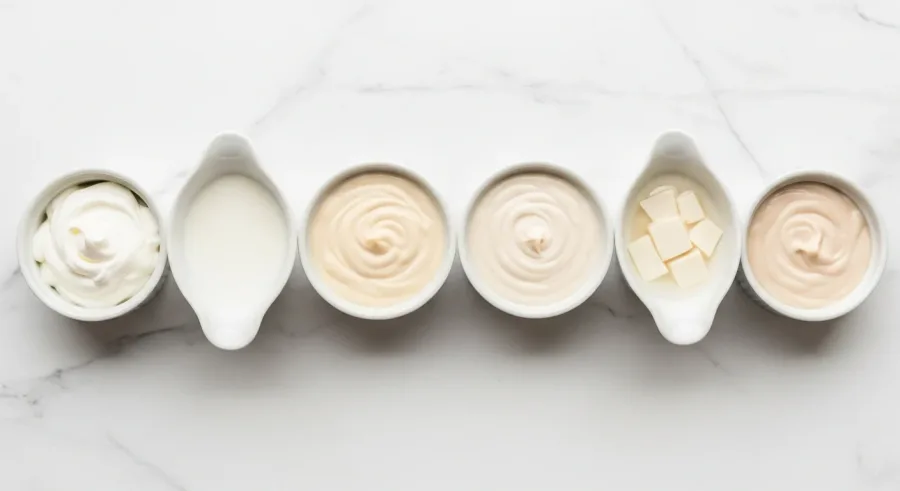
The most reliable substitute for heavy whipping cream in cooking is a mix of whole milk or half-and-half with melted butter to replicate the 36% dairy fat. If you actually need to whip it into peaks, chilled full-fat coconut cream is your best non-dairy option. How you replace it depends entirely on whether you need it to thicken, whip, or just add richness—we break down the exact ratios below.
You're standing in the kitchen, halfway through a recipe, and realize the carton in your fridge is actually half-and-half. Or maybe you just prefer not to buy a whole pint of heavy cream when you only need two tablespoons. Swapping out cream isn't difficult once you understand what it actually brings to a dish: fat and structure.
What You Are Actually Replacing
Heavy whipping cream is defined by a very specific math equation. According to the USDA, it must contain a minimum of 36% milk fat. That fat is what allows it to whip into stiff peaks and prevents it from curdling when you stir it into a simmering tomato sauce.
For context, 100 grams of heavy cream carries 340 calories. You aren't just replacing a liquid; you are replacing a dense energy source. The remaining composition is water and a tiny bit of protein and sugar (specifically, about 2.8 grams of protein and 2.9 grams of sugar per 100 grams).
Most alternatives fail because they lack that protective fat barrier. Whole milk only sits at 3.25% fat. So when you substitute for heavy cream, your main goal is simply adding the missing fat back in, or finding another ingredient that mimics its physical thickness.
Understanding your end goal dictates which ingredient you pull from the pantry. If you need it to whip, you need saturated fat that is solid at cold temperatures to trap air. If you just need it to thicken a soup, you only need viscosity.
Half-and-Half Plus Butter
If you are making a soup, a pan sauce, or a casserole, this is your most reliable fix. Half-and-half contains between 10.5% and 18% milk fat. Butter sits at a standard 80% fat. Combining them gets you right back into the heavy cream neighborhood.
Use a ratio of 3/4 cup half-and-half to 1/4 cup melted, cooled butter.
The process requires a little patience. You cannot just dump hot butter into cold cream. Melt the butter and let it cool slightly. Whisk the half-and-half vigorously while slowly pouring in the butter to encourage a temporary emulsion. You are manually dispersing those free lipids into the liquid. Without a dedicated emulsifier like egg yolks, the bond won't last forever, so mix it right before you add it to your pan.
This works beautifully because you are staying within the dairy family. The flavor profile is a perfect match, delivering that rich, milky sweetness you expect. It handles heat well in pasta dishes and potato gratins. The extra fat coats the starches in your dish and provides a velvety mouthfeel.
Just do not try to whip this mixture. The fat structure has been permanently altered by melting the butter. The microscopic membranes that normally trap air bubbles are gone, meaning it will never hold air and form peaks, no matter how long you run the stand mixer.
Whole Milk and Butter
This is the pantry staple version of the previous trick. Whole milk contains 3.25% fat. To bridge the gap to 36%, you rely a bit more heavily on the butter.
The standard ratio is still 3/4 cup whole milk to 1/4 cup melted butter. You'll notice the texture feels slightly thinner than the half-and-half version; while it yields around 22% fat rather than 36%, it provides enough richness for most baking and cooking.
Because milk has more water, the emulsion is more fragile. If you are baking a cake, making a pound cake, or folding biscuits, it incorporates seamlessly. The butter provides the richness and the milk provides the necessary moisture. The flour's starches lock the fat into place during the bake, so the temporary nature of the emulsion doesn't matter.
You might run into trouble with high-heat, highly acidic reductions. If you pour this mixture into a boiling white wine reduction, the water and fat might separate, leaving an oil slick on top of your sauce. Temper it by adding a spoonful of the hot sauce to the milk mixture first, whisking, and then adding it all back to the pan off the heat. And again, this will not whip.
The Evaporated Milk Trick
Evaporated milk is cow's milk that has been heated under a vacuum until 60% of the water content evaporates. The USDA mandates it must contain at least 6.5% milk fat. That might sound low compared to heavy cream, but the sheer concentration of milk solids changes its physical behavior.
You can swap it exactly 1:1 for heavy cream.
It delivers a thick, creamy texture without the heavy caloric load of butterfat. This makes it an outstanding choice for savory cooking. Macaroni and cheese, creamy enchilada sauce, and chowders all benefit from its structural stability. It naturally resists curdling because the proteins have already been altered during the canning process.
The flavor is the limiting factor. When evaporated milk is canned, the heat causes the lactose and milk proteins to brown slightly via the Maillard reaction. This gives it a distinct cooked, slightly sweet, and caramelized note. You won't mind it in a robust potato soup or a pumpkin pie, but it will taste out of place in a delicate vanilla bean panna cotta. Like the butter mixtures, it lacks the fat structure to whip.
Coconut Cream for Whipping
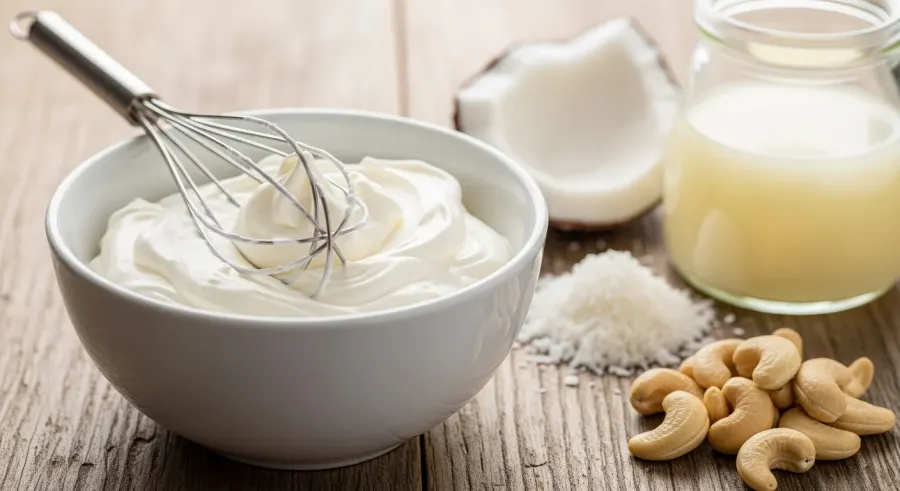
Coconut cream is the dense, high-fat portion of coconut milk. At around 20% to 22% fat, it is one of the best single-ingredient plant-based substitutes that reliably holds air. The saturated fats in coconut behave very similarly to dairy fats when chilled—they firm up and create a rigid network that traps air bubbles.
Use it as a 1:1 replacement for whipped cream applications.
Temperature is critical for this to work. Chill a can of full-fat coconut milk (or dedicated coconut cream) in the refrigerator for at least 12 hours. Coconut oil solidifies at 76 degrees Fahrenheit. By chilling it, you force all those saturated fats to harden, separating cleanly from the coconut water at the bottom of the can.
Scoop out only the solid white cream, leaving the liquid behind. Whip it with a hand mixer just like you would dairy cream. Start on low speed, add a dusting of powdered sugar (which contains cornstarch to help stabilize the foam), and whip until just stiff. Over-whipping can cause it to break into coconut butter, so watch it closely.
The trade-off is flavor. The coconut taste is undeniable. It pairs wonderfully with chocolate, lime, or mango desserts. It is less successful if you try to use it in a savory context where coconut clashes with the flavor profile, like a classic French pan sauce or a savory mushroom gravy.
Using Cream Cheese
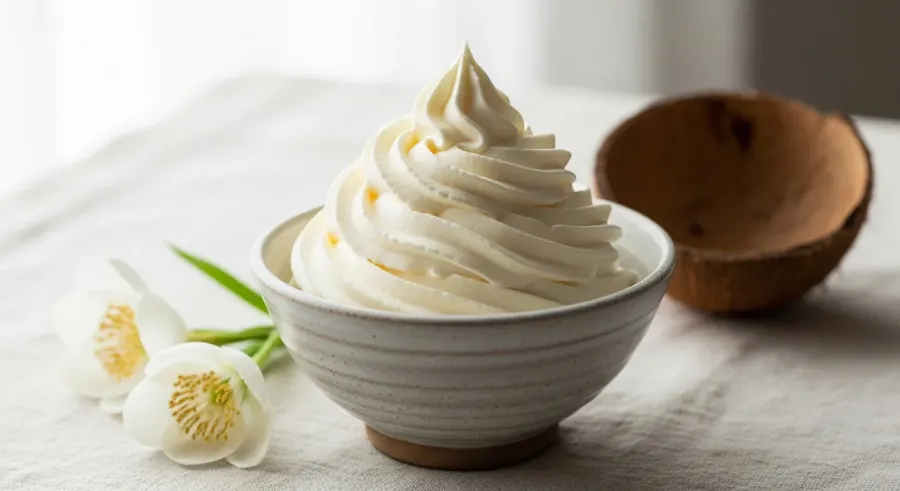
If your primary goal is thickening a sauce and giving it a glossy finish, cream cheese is an exceptional stand-in. The USDA lists cream cheese at about 35% fat, which is nearly identical to the 36% fat of heavy cream.
You can use it in a 1:1 ratio, but a solid block of cream cheese won't easily dissolve into a pan of simmering vegetables. You need to thin it first. Whisk a half cup of cream cheese with a few tablespoons of milk, broth, or water until it resembles a thick liquid.
The added benefit here is stability. Commercial cream cheese often contains stabilizers like carob bean gum or xanthan gum. These make cream cheese virtually bulletproof against heat. You can simmer it aggressively and it will maintain a smooth texture. It makes a deeply rich stroganoff or mashed potato base.
The flavor profile includes a distinct lactic tang. That acidity works in your favor for savory dishes, but it will noticeably alter the taste of a sweet recipe. And because of its density and structure, it cannot be whipped into a light foam.
Blending Silken Tofu
This is a brilliant solution when you want the texture of heavy cream but are avoiding dairy or high fat content. Silken tofu is unpressed, meaning it retains a high water content, coagulated just enough to form a soft gel. It contains only about 2 grams of fat and 5 grams of protein per 100-gram serving (USDA).
Drop the silken tofu into a blender and process it until completely smooth. Use the resulting puree as a 1:1 replacement for heavy cream.
The mechanical blending shatters the soft soy curds into a microscopic suspension. It mimics the viscosity of heavy cream perfectly. When stirred into a pureed vegetable soup or a vegan chocolate tart, it provides a dense, creamy mouthfeel. It adds high-quality soy protein to a dish without the heavy caloric load of butterfat. The flavor is mild enough to hide behind strong savory spices or sweet baking ingredients. Buy the softest silken tofu available, often found in aseptic boxes in the Asian grocery aisle.
Heat is the enemy here. If you boil pureed tofu, the proteins will tighten and separate, leaving you with a grainy texture. Stir it into hot dishes at the very end, entirely off the heat.
Greek Yogurt and Milk
When a recipe calls for a splash of heavy cream to finish a dish, plain whole-milk Greek yogurt offers a fantastic tangy alternative. Greek yogurt is strained, which removes excess whey and leaves a thick, protein-rich product. It usually carries 3% to 5% fat and around 10 grams of protein per 100g.
Because Greek yogurt is too thick on its own, mix equal parts yogurt and whole milk to achieve a pourable, cream-like consistency. Use this blend as a 1:1 substitute.
This swap shines in cold applications. It makes excellent creamy salad dressings, dips, and cold pasta salads. The tartness adds brightness that heavy cream often lacks. You can also fold it into a baked potato or use it as a base for a quick pan sauce.
You have to handle it carefully around the stove. The combination of low fat and high acidity makes Greek yogurt highly prone to curdling. The lactic acid has already tightened the protein structures. When exposed to high heat, those structures instantly tangle and squeeze out water, resulting in a grainy sauce. Never pour it directly into a hot pan. If you want to finish a soup with it, temper the yogurt mixture by slowly whisking in ladles of hot broth to gently raise its temperature before combining everything.
Bottom Line
Finding the right substitute isn't about memorizing a master list of ingredients. It comes down to looking at the recipe and asking what the cream is actually doing. If it's building a structure of air, you need cold, saturated fat. If it's just adding a luxurious gloss to a pan sauce, viscosity and a little butterfat will get the job done. Once you separate the mechanics of whipping from the flavor of dairy, you can usually pull exactly what you need straight from the fridge.