In Short
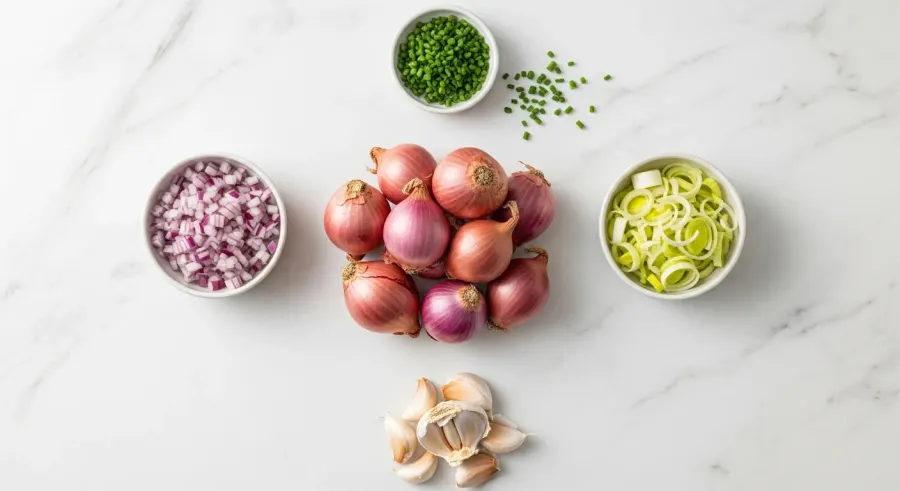
Yellow onions are the best all-around substitute for shallots at a 1:1 ratio, while red onions work best for raw culinary applications. Why swapping them isn't always a simple one-to-one exchange (and the chemical reason shallots melt into sauces while onions don't) is below.
You are halfway through making a pan sauce or a batch of vinaigrette and the recipe asks for a shallot. If you don't have one sitting on the counter, it usually means staring at a bin of regular onions wondering if anyone will actually taste the difference. The short answer is yes, but you can easily cheat the system if you know how to handle the alternatives.
Can You Just Use a Regular Onion?
If you are cooking a soup, stew, or a heavy braise, a standard yellow onion is going to do the job perfectly well. A 1:1 substitution ratio by volume works best. If a recipe calls for half a cup of chopped shallot, half a cup of chopped yellow onion steps in without much fuss.
The main difference between the two comes down to their physical makeup and how they handle heat. Shallots contain 7.87 grams of sugar per 100 grams, along with 2.5 grams of protein and minimal fat at 0.1 grams. Standard yellow onions sit lower on the sweetness scale, hovering around 4.3 grams of sugar per 100 grams (USDA FoodData Central). That higher sugar concentration in shallots means they break down and caramelize rapidly in a hot pan. Yellow onions take their time. They release water slower and fight browning for several more minutes.
This difference in sugar and water content is exactly why yellow onions fail as a substitute in quick pan sauces. If you only have three minutes to sweat the aromatics in butter before deglazing with white wine, a yellow onion will still have a firm, distinct crunch by the time the liquid hits the pan. Nobody wants a crunchy onion piece floating in a smooth sauce. For slow-cooked dishes, this texture difference disappears entirely because the long cooking time forces the yellow onion to eventually break down.
To help the yellow onion mimic a shallot's texture in slightly faster recipes, finely mincing the onion rather than doing a standard dice makes a big difference. Smaller pieces expose more cellular surface area to the hot oil, accelerating the softening process. Even with a fine mince, you will need to add an extra two to three minutes to your pan time before moving on to the next step of the recipe. If your pan gets too hot during this extended cooking time, adding a splash of water can prevent the edges of the onion from burning before the center becomes translucent.
Faking It With Garlic
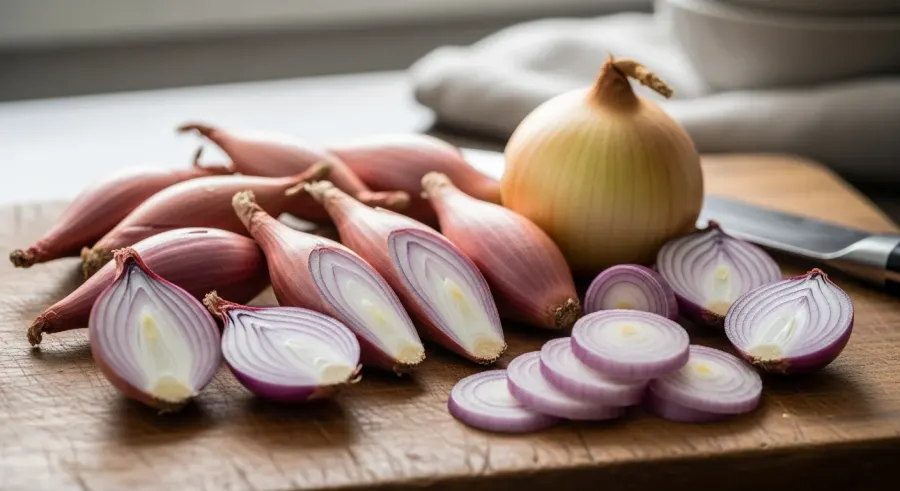
Shallots belong to the Allium family, but their specific flavor profile sits somewhere between a sweet, mild onion and a very gentle clove of garlic. You can replicate this exact culinary space by combining yellow onion with a tiny amount of minced garlic.
The ratio here requires a light touch, as garlic can easily bully other flavors. For every half cup of chopped yellow onion, a quarter teaspoon of finely minced fresh garlic is enough. Using garlic powder is a mistake. The volatile sulfur compounds in fresh garlic, specifically allicin, help mimic the sharp bite of a fresh shallot. Dried garlic lacks these reactive compounds entirely and just tastes like a dusty pantry. Furthermore, garlic paste from a tube often contains preservatives that alter the pH of the pan, which can subtly sour the base of your dish.
This combination works wonderfully in heavy liquid applications where the flavors have ample time to meld in the oven. The natural heat of a long cooking process mellows the raw garlic, allowing it to blend seamlessly into the background of the yellow onion without spiking the final flavor profile.
It fails completely if you are making a delicate butter sauce, like a beurre blanc or a mild hollandaise. Fresh garlic, even a tiny amount, is far too aggressive for melted butter and white wine alone. The garlic will easily overpower the sauce, leaving you with something that tastes unbalanced and sharp. Keep this substitute reserved for robust, heavy liquid applications where the garlic has a place to hide behind thick stocks or dark wines.
What to Use for Raw Vinaigrettes
Recipes that call for raw shallots, like a classic mignonette or a sharp Dijon vinaigrette, rely entirely on the shallot's mild, sweet bite. A raw yellow onion is too astringent and will overpower the dressing. A red onion is your best move for these specific raw applications.
A 1:1 ratio is ideal, provided the red onion is minced significantly finer than you would typically chop a shallot. Red onions have a much thicker, more robust cellular structure. Cutting them into tiny pieces helps release their flavor into the surrounding vinegar or citrus juice, allowing them to soften. If you want to tone down their natural sharpness even further to match a shallot's mildness, soaking the minced red onion in cold water for ten minutes before using it does wonders. This simple water bath washes away some of the harsh sulfur compounds that cause your eyes to water when chopping.
The major failure case for red onions comes down to color bleeding. If you try to sweat red onions in a pan with butter for a white wine sauce or a pale liquid base, the anthocyanins—the pigments responsible for their vibrant purple-red color—will leach out immediately. Your beautiful sauce will turn an unappetizing shade of pale blue or gray as the pigments react with the heat and fat.
Red onions should stay strictly out of hot, light-colored liquids. When they bleed, they do not just change the visual appeal; they can sometimes introduce a very faint, metallic bitterness if the liquid is highly acidic, which is a common reaction for anthocyanin compounds under heat stress.
Leeks Melt Down Perfectly
Leeks are often overlooked as a substitute, but they share a remarkable textural similarity to shallots when introduced to heat. Both vegetables melt almost seamlessly into fats and liquids, leaving behind a smooth texture rather than distinct chunks.
Leeks can be swapped at a 1:1 ratio, but only the white and light green parts of the stalk are usable for this purpose. The dark green leaves at the top are far too fibrous, tough, and bitter for a direct swap, and they will ruin the texture of whatever you are cooking. Nutritionally, leeks contain 61 calories and 3.9 grams of sugar per 100 grams, alongside 1.5 grams of protein (USDA FoodData Central). This makes them noticeably milder and less sweet than a standard shallot, which carries over seven grams of sugar. Because of this lower sugar content, adding a tiny pinch of white sugar to your pan while sautéing can help balance the final dish and encourage a little bit of the browning that leeks naturally struggle to achieve on their own.
This is an excellent swap for thick, cream-based dishes. The gentle, sweet onion flavor of a cooked leek will not overpower dairy fats, and the physical texture will disappear into the background just as a finely minced shallot would. They turn almost jammy when cooked slowly over low heat with a generous amount of butter.
The one downside is the preparation. Leeks trap a massive amount of dirt and fine sand between their tightly packed layers as they grow upwards through the soil. You have to wash them aggressively after slicing, usually by swishing the chopped pieces in a large bowl of cold water and letting the grit fall to the bottom, which adds a noticeable step to your prep time. If you skip the washing, your dish will carry a faint, unpleasant crunch of soil.
Grabbing the Green Onions Instead
Scallions, known interchangeably as green onions in most grocery stores, offer a completely different physical structure but can save a recipe in a pinch. They work best when you realize you need a substitute at the very last minute of the cooking process.
The substitution strategy here requires splitting the vegetable. The firm white parts of the scallion work as a 1:1 swap for cooked shallots, while the hollow green tops function as a 1:1 swap for raw shallots. The white bulbs possess a concentrated, sharp onion flavor that holds up briefly in a hot pan, allowing them to sweat down in a little bit of butter or olive oil without completely dissolving. The green tops provide a fresh, grassy note that works beautifully when stirred into a cold dressing.
Browning or caramelizing scallions is a mistake. Their water content is exceptionally high, and their thin cell walls lack the structural density of a shallot or a yellow onion to withstand prolonged, direct heat. They will quickly collapse into a slimy, charred mess if left in a hot skillet for more than a minute or two.
They also lack the complex sweetness of a shallot. Scallions are entirely about fresh, sharp onion flavor. If your recipe relies on the deep, savory-sweet background note of a caramelized shallot, scallions will fail completely. Use them for quick, bright applications only, where their rapid cooking time is an advantage rather than a liability.
When You Need Whole Bulbs
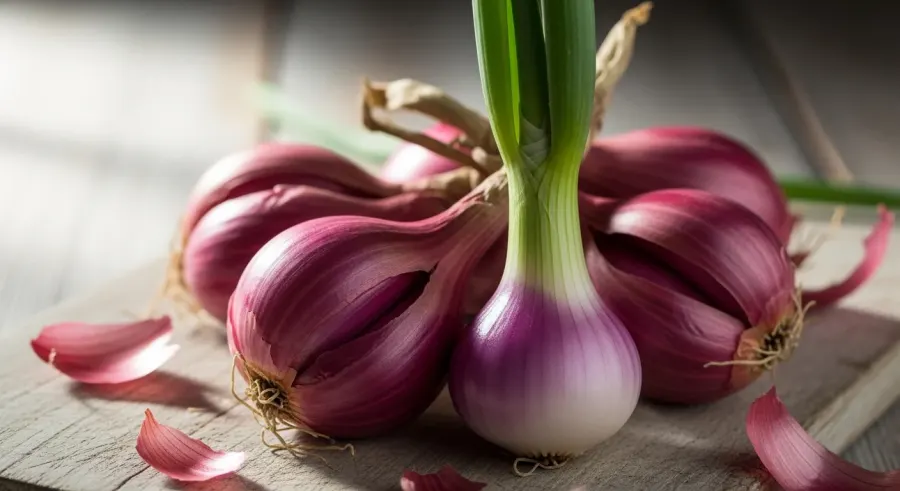
Some classic culinary staples, like traditional braises, specifically call for whole, peeled shallots roasted alongside the meat. You cannot simply chop a regular onion to achieve this specific effect. Pearl onions are the exact structural and visual match you need for this job.
They swap perfectly bulb for bulb. If a braise calls for ten whole shallots, ten whole pearl onions will step in seamlessly. Pearl onions are slightly sweeter than regular yellow onions and lack the subtle garlic undertone of a true shallot, but they maintain their spherical shape beautifully during a long simmer in red wine or beef stock.
The main hurdle with pearl onions is the peeling process. Attempting to peel them raw with a paring knife is an exercise in frustration. Dropping the whole unpeeled bulbs into boiling water for exactly thirty seconds, followed immediately by an ice bath, loosens the skins enough to slip them right off with your fingers.
If a recipe calls for finely minced shallots, avoiding pearl onions is highly recommended. Peeling a dozen tiny pearl onions just to run a knife through them is a massive waste of effort for a flavor profile you could easily get from a standard yellow onion. Save the pearl onions strictly for dishes where their whole, unblemished shape is the point of the presentation.
White Onions Bring the Crunch
White onions sit in a weird middle ground in the culinary world, but they have specific applications where they outshine yellow onions as a shallot substitute. They have a sharper, more pungent bite when raw, but they cook down with a very clean, straightforward onion flavor.
You can swap white onions for shallots at a 1:1 ratio. Because white onions contain more water and slightly less sugar than yellow onions, they have a distinctly crisp texture. This makes them an excellent substitute in salsas, cold dips, or heavy salads where you want a noticeable crunch that a shallot usually provides. They deliver that necessary structural snap without turning mushy as they sit in acidic liquids like lime juice or vinegar.
The high water content becomes a liability in the frying pan. If you are trying to make crispy fried shallots to garnish a dish, white onions will struggle to brown evenly. They tend to steam in their own moisture before they crisp up, often leading to a soggy, blonde topping rather than the deep, golden crunch a shallot naturally achieves in hot oil.
When making a pan sauce, white onions perform similarly to yellow onions. They will not melt down as quickly as a shallot due to their lower sugar concentration (around 4.2 grams per 100 grams, per USDA FoodData Central). You will be left with distinct, slightly crunchy squares in your sauce unless you cook them low and slow for a prolonged period.
Chives Are for the Very End
Chives are the most delicate and fragile member of the Allium family. They do not behave like shallots in a hot pan, but they provide a surprisingly similar aromatic finish if you know exactly when to add them.
A handful of finely snipped chives works as a volumetric replacement—roughly two tablespoons of chives for every one tablespoon of raw shallot—if you are finishing a dish just before serving. Chives bring a very mild, herbaceous onion flavor that works beautifully when a raw shallot might actually be a bit too aggressive or sharp on the palate.
Chives fall apart under heat. The moment they hit sustained cooking temperatures, their volatile oils evaporate entirely, leaving behind sad green flecks that taste like absolutely nothing. They are strictly a finishing touch. If your recipe involves sautéing aromatics as a foundational flavor base for a sauce or a stew, chives cannot help you. They contain almost zero sugar and barely any structural fiber, meaning they offer no body, no moisture release, and zero caramelization potential to a dish. Keep them on the cutting board until the very last second, dropping them onto the hot food right before it hits the table.
Bottom Line
Finding a substitute for a shallot usually comes down to understanding the heat in your pan rather than the exact flavor of the vegetable. Regular onions will carry a slow-cooked braise beautifully, while delicate leeks or red onions handle the faster, gentler tasks. You might miss out on that specific, subtle hint of sweet garlic a true shallot provides, but knowing how these alternatives react to butter, vinegar, and time ensures the final plate still works exactly as intended.