In Short
Garden pea shoots are completely safe and highly nutritious to eat raw, but you must never confuse them with sweet pea shoots, which contain a dangerous toxin. The surprising reason why the sprouting process changes their entire chemical profile (and neutralizes legume lectins) is below.
Have you ever stood in a garden or at a farmers market, looked at a tangled pile of delicate green tendrils, and wondered if you could just eat them like a salad? You certainly can. But the world of pea plants holds a few botanical secrets that most people never realize until they start grazing.
The Poisonous Cousin In Your Garden
Garden peas (Pisum sativum) produce delicate, grassy tendrils that you can pull straight from the soil and eat on the spot. People often assume this means every plant with the word "pea" in its name belongs in a salad bowl.
That assumption can lead to a very bad afternoon.
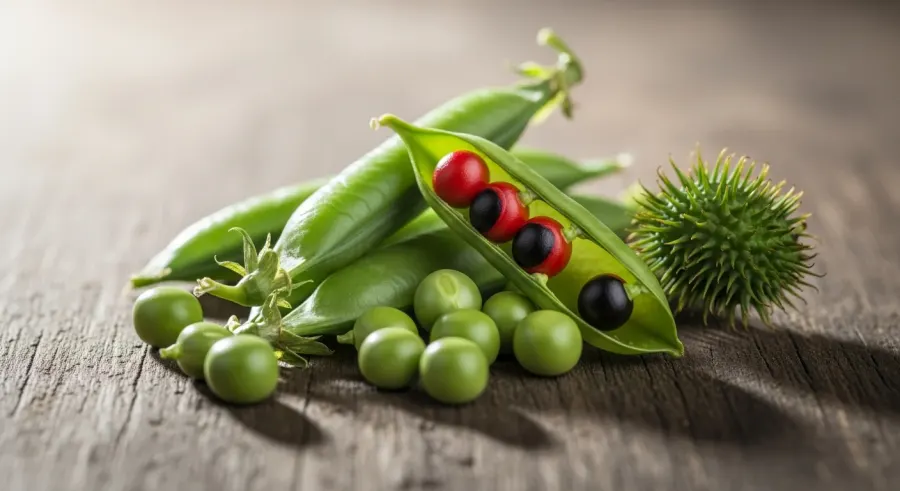
The sweet pea (Lathyrus odoratus) is a beautiful, fragrant ornamental plant popular in spring gardens. It is also highly toxic. The plant produces a compound called beta-aminopropionitrile, or BAPN. According to medical literature and studies (Bell, 2003), BAPN is a lathyrogen. It works by irreversibly binding to an enzyme in your body called lysyl oxidase. This is the exact enzyme your body uses to cross-link collagen molecules.
When you eat sweet pea plants, you are essentially turning off your body's ability to maintain the structural integrity of its own connective tissues. The resulting condition is called osteolathyrism, which causes bone pain, skeletal deformities, and joint degradation.
This isn't just a modern botanical quirk. In the fifth century BC, Hippocrates documented a strange phenomenon in Ainos, noting that people who continuously ate certain peas experienced permanent leg weakness. This was one of the earliest recorded observations of lathyrism, a disease historically tied to times of famine when desperate populations would forage hardy wild peas. The reality of sweet pea plant toxicity is that these plants evolved this chemical armor to survive harsh conditions and deter hungry animals.
Garden peas bypass this entirely. They simply do not possess the genetic coding to produce BAPN. You can graze on garden pea greens all day without worrying about your collagen unspooling.
Where Did The Lectins Go?
If you know your way around raw legumes, you might be raising an eyebrow right now. Beans, lentils, and peas are famous for containing lectins.
Lectins are carbohydrate-binding proteins that plants use as a defense mechanism against pests. In humans, raw legume lectins—like the phytohaemagglutinin found in raw kidney beans—can bind to the walls of the digestive tract, preventing nutrient absorption and causing severe cramping. The standard advice is to always cook legumes thoroughly to neutralize these proteins.
So, do pea shoots have lectins? The short answer is yes, but not in a way that will bother your stomach.
The plant anatomy shifts entirely during germination. When a pea is dormant, its lectins are concentrated heavily in the seed to protect it from being eaten by insects before it can sprout. It also stores phytic acid, an "anti-nutrient" that locks up minerals like zinc and iron so the plant can save them for a rainy day.
When moisture finally penetrates that hull, the seed wakes up. It secretes enzymes that dissolve the phytic acid and release those trapped minerals. Simultaneously, proteases begin cleaving the heavy lectin proteins into smaller, harmless amino acid chains. The plant needs these basic building blocks to construct its first set of true leaves. By the time the shoot is a few inches tall, the chemical armory of the seed has been dismantled.
There is also a physical safeguard built into the harvesting process. When you buy or cut a pea shoot, you are severing the stem an inch or two above the soil line. The original seed, where any residual lectins might linger, stays buried in the dirt. You are eating the new growth, which behaves biologically much more like a standard leafy green than a dense legume.
The Vitamin C Magic Trick
A dried green pea sitting in a pantry jar has almost no vitamin C. It just does not need it while dormant.
Introduce water and light, and the internal chemistry rewires itself entirely. The biosynthesis of ascorbic acid is a marvel of plant physiology. The seed releases the enzyme amylase to break its stored starches down into simple sugars. Through a multi-step enzymatic pathway, the plant converts that glucose directly into L-ascorbic acid.
It turns out, the plant is basically building its own internal sunscreen. As the shoot pushes through the soil and its leaves hit sunlight for the first time, photosynthesis begins. Photosynthesis produces oxygen, but it also generates reactive oxygen species—free radicals that could easily destroy the young, fragile plant tissue. The massive flush of vitamin C acts as an internal antioxidant shield, neutralizing those free radicals so the plant can survive its first days in the sun.
Research tracking this germination process shows that exposing sprouting plants to UV light triggers even higher vitamin C biosynthesis.
According to USDA FoodData Central and agricultural extension data, a mere two-cup serving of raw garden pea shoots delivers over 35% of your daily recommended intake of vitamin C. That same serving also packs an outsized payload of vitamin K (around 132% of your daily value) and significant amounts of vitamin A, all for roughly ten calories.
Eating them raw is the only way to get this full nutritional profile. Vitamin C is highly sensitive to heat and water. If you toss those tender shoots into a hot frying pan, the cell walls collapse and a significant portion of the ascorbic acid leaches out or breaks down. Leaving them raw preserves the chemical work the sprouting seed just accomplished.
Sprout Versus Shoot Actually Matters
People tend to use the terms "sprout" and "shoot" interchangeably when talking about raw micro-vegetables. In the botanical world, those words describe completely different things, and the distinction dictates how you handle food safety.
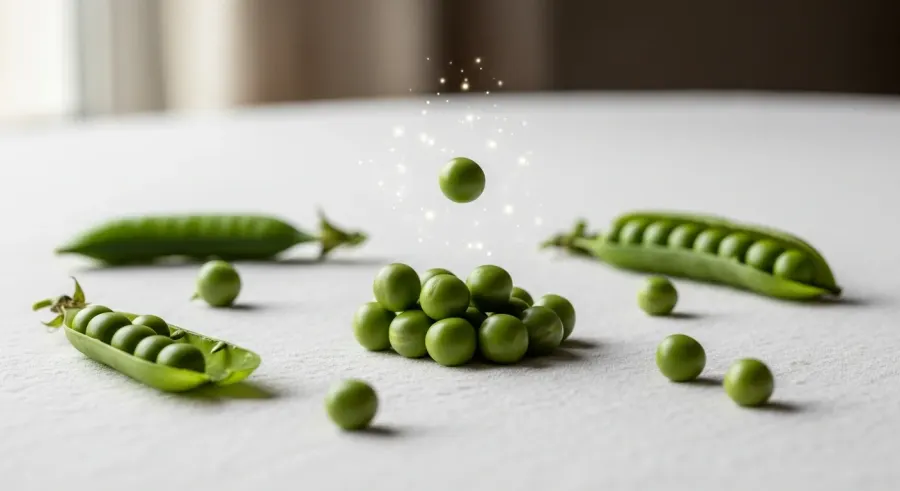
A sprout is the entire germinated seed. It is usually grown in a dark, humid jar of water, and you eat the whole thing—the tiny root, the split seed, and the pale yellow stem.
A shoot is just the leafy green top. It is grown in a tray of soil, exposed to bright sunlight, and harvested by snipping the stem.
If you visit a commercial sprouting facility, you will see massive rotating drums keeping seeds constantly wet in a warm, dark, highly humid room. This environment is biologically identical to the conditions needed to culture foodborne pathogens. If the original seed harbored any surface bacteria like Salmonella or E. coli, the sprouting jar acts as a perfect incubator.
Pea shoots are farmed differently. They require strong airflow and bright light. Farmers use heavy circulation fans in their greenhouses specifically to keep the stems dry, which prevents fungal diseases like powdery mildew from taking hold. Because the stems are kept dry in the open air and are eventually severed entirely from the root mass, the risk of cross-contamination drops drastically.
This is why soil-grown shoots are generally treated like standard salad greens, while water-grown sprouts often come with stringent health warnings.
When The Tendrils Fight Back
Timing dictates whether eating pea stems raw will be a culinary delight or an unchewable chore.
If you harvest the greens when they are just a few inches tall, the stems and curly tendrils are crisp. They snap easily between your teeth and offer a texture similar to fresh butter lettuce. Wait an extra week or two, and those same delicate tendrils will feel like you are chewing on green wire.
This hardening process is tied to a biological mechanism called thigmotropism. When a young pea tendril brushes against a solid object—like a wooden trellis or a wire fence—the physical friction triggers a localized hormonal response. The plant shifts the hormone auxin to the side of the tendril furthest from the object, causing the outside cells to elongate rapidly. This forces the tendril to curl tightly around the support.
Once the tendril has secured its grip, the plant reinforces the structure by heavily depositing lignin and tough cellulose into the cell walls. Lignin is the exact same rigid polymer that makes wood hard. Human digestive systems cannot break it down, and human teeth struggle to grind it apart. It is a brilliant survival strategy for the plant, but a total disaster for your jaw.
You can always test the edibility of a raw tendril with a simple pinch. If you squeeze the curly end between your fingernails and it snaps cleanly, it will be pleasant to eat raw. If it bends, folds, or refuses to break, the lignin has already taken over. At that point, no amount of chewing will save your salad.
Bottom Line
It is fascinating how much botanical drama is hiding inside a simple salad garnish. Between the invisible chemical defenses of sweet peas and the sudden vitamin C factory that powers a germinating seed, there is a lot of quiet brilliance in these little greens. The next time you find yourself snacking on a handful of fresh tendrils, you will know exactly what is happening beneath the surface.