In Short
Tomatoes and olive oil are classics, but the real secret to basil is its volatile oils (like eugenol and linalool) which pair unexpectedly well with strawberries, vanilla, and citrus. The food chemistry behind these matches (and why you should stop cooking the leaves) is below.
The full aroma of fresh basil isn't released until you break the leaves. When you tear or chew the herb, you rupture microscopic storage glands on the leaf surface, releasing a rush of volatile oils that smell like clove, citrus, and sweet anise. Matching basil with other ingredients isn't about guessing—it's about finding foods that share or balance those exact chemical compounds.
The Classic Tomato Match
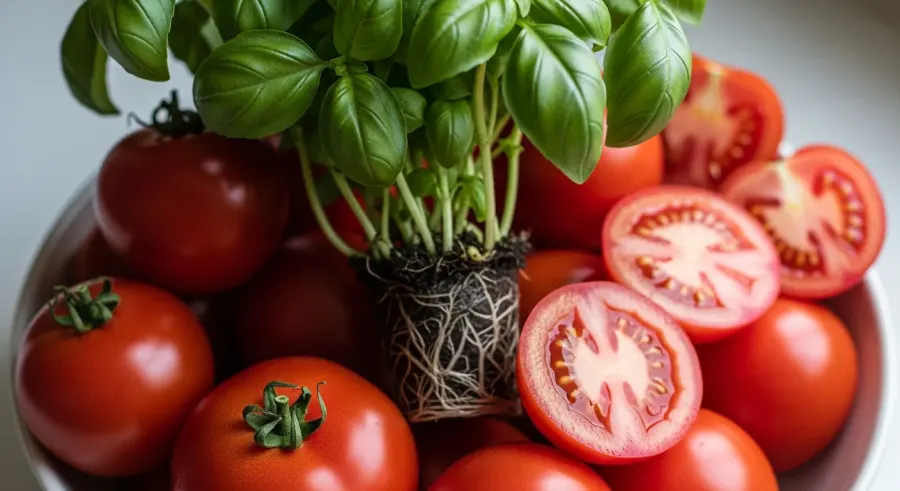
When pairing basil with vegetables, the tomato is usually the first stop. Tomatoes are packed with glutamic acid, the amino acid responsible for umami. When you bite into a ripe tomato, you're experiencing a deeply savory baseline that coats the palate. Sweet basil brings two completely different basil flavor compounds to the mix: linalool (which smells like floral citrus) and eugenol (the exact compound that gives cloves their warm spice).
The combination of intense umami with these sweet, volatile aromatics creates a perfectly balanced contrast. The umami-rich glutamate in the tomato provides a deeply savory foundation that contrasts with and highlights the sweet, floral notes in the basil. But there is a catch with heat. Those aromatic oils in basil evaporate rapidly when exposed to a hot pan. If you're making a marinara, stir the torn leaves in off the heat just before serving. Simmering them for hours destroys the delicate linalool, leaving you with a muddy flavor instead of that bright, fresh punch.
Fat Changes Everything
If you've ever wondered why pesto feels so much richer than a simple basil salad, it comes down to solubility. The basil flavor profile is heavily defined by compounds like estragole (sweet anise) and linalool. These essential oils are lipophilic. This means they dissolve in fat, not water.
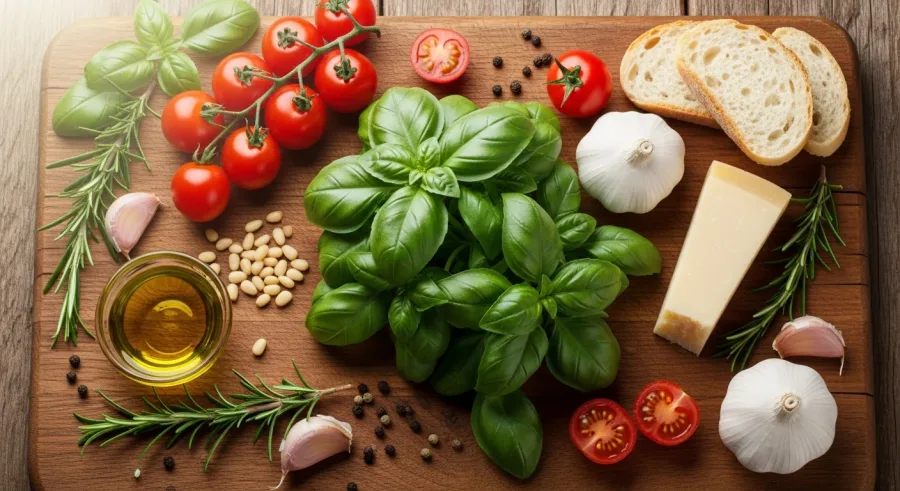
When you coat basil in olive oil, butter, or the natural fats of pine nuts, the fat physically traps the volatile oils. Instead of evaporating into the air, those flavor compounds are carried directly across your tongue and held there for a longer finish. Hard cheeses like Parmesan add lactic acid and salt, which further magnifies the herb's natural sweetness. The fat essentially acts as a delivery system for the aroma. This is why a simple drizzle of good olive oil on a basil leaf does more for its flavor than a complex spice rub ever could.
Strawberries Make More Sense Than You Think
When exploring basil and fruit pairings, the combinations can sometimes feel like a forced culinary experiment. But strawberries and basil are actually molecular cousins. Both ingredients naturally produce methyl cinnamate. This is an ester that smells sweet and balsamic, bridging the gap between fruit and herb.
Because they share this exact chemical compound, they form what food scientists call a flavor bridge. The strawberry tricks your brain into perceiving the basil as a fruit, while the basil adds a green, herbaceous depth to the berry. You can test this easily by macerating sliced strawberries with a pinch of sugar, then folding in very finely shredded basil just before spooning it over shortcake or vanilla ice cream. The sugar draws out the fruit's natural syrups, which then bind with the basil's oils.
Overlapping With Lemon
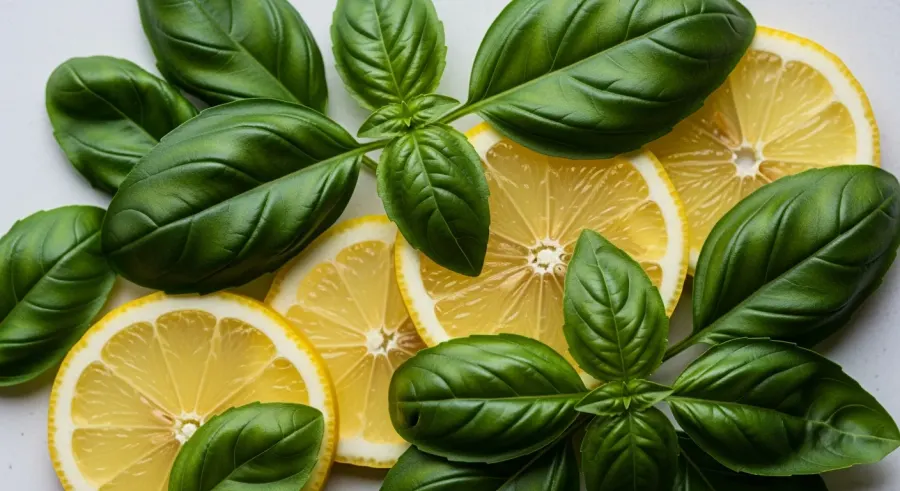
If you look closely at a lemon and a sprig of sweet basil, you'll find they share a major aromatic monoterpene. It is called linalool. This compound provides a bright, floral-citrus scent that makes the two ingredients natural partners. In some basil cultivars, linalool makes up nearly 40% of the plant's volatile oils.
But lemon does more than just match the flavor profile. The sharp drop in pH from the citric acid cuts through basil's heavier, spicier clove notes (eugenol). This acid contrast prevents the herb from tasting heavy or medicinal. The acidity also helps preserve the bright green color of the basil by slowing down oxidation. It works just as well in a lemon-basil vinaigrette as it does shaken into a gin smash.
Balancing the Garlic
Garlic gets its aggressive, pungent heat from allicin, a defense compound created when the cloves are crushed. Left unchecked, raw garlic can easily overwhelm the palate and completely mask delicate herbs.
Sweet basil counters this harshness with a completely different set of aromatics. It contains eucalyptol, a cooling, minty compound, alongside the sweet anise notes of estragole. These cooling elements act as a chemical buffer against the sulfurous heat of the allicin. When you rub garlic on toasted bread and top it with fresh basil, you're experiencing a chemical balancing act between heat and cool. The allicin provides the sharp bite, while the eucalyptol clears the palate immediately afterward.
Wait, Vanilla and Cream?
Sweet basil contains a high concentration of eugenol. This is the exact same phenolic compound that gives cloves and allspice their warm, woody spice. Because of this shared DNA, basil can step out of the savory world and pair well with rich, sweet dairy.
Steeping bruised basil leaves in warm heavy cream extracts those warm spice notes without pulling too much of the grassy, green flavor. When strained and spun into ice cream, the resulting flavor feels like a complex, herbal vanilla. The fat in the cream captures the eugenol perfectly. The stems should be skipped for this, though, as they can release bitter compounds that clash with the milk proteins during the steeping process.
Bottom Line
Pairing flavors isn't magic. It's just a matter of matching or contrasting the chemical compounds that are already there. Once you realize basil is just a bundle of clove, citrus, and anise oils waiting to be unlocked, it makes sense to treat it less like a leafy green and more like a fresh spice.