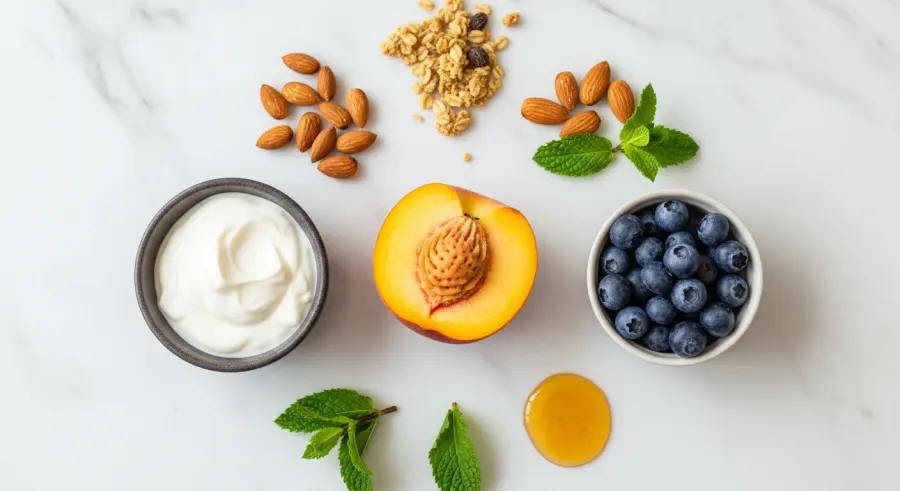
In Short
Nectarines are your perfect 1:1 match—they are genetically identical to peaches just without the fuzzy skin. Canned peaches work flawlessly for baking, while smooth mangoes step in beautifully for raw salsas. The exact ratios, moisture differences, and when each fruit ruins a recipe are below.
Sourcing a good peach outside of late July is mostly a game of disappointment. You usually end up holding something that feels like a tennis ball and tastes like damp sawdust. Depending on what you are trying to make, the right substitute is already sitting in your pantry or a few feet away in the produce aisle.
Nectarines Are Just Fuzzless Peaches
You might actually be eating a peach without realizing it when you bite into a nectarine. They share the exact same botanical name, Prunus persica. The only thing separating them is a single recessive gene that controls whether the skin develops fuzz. Because they are the same fruit, their internal makeup is essentially indistinguishable.
According to the USDA FoodData Central, a raw peach contains about 88.3 grams of water per 100 grams. A raw nectarine sits right around 86.6 to 88 grams depending on the specific cultivar. That means they behave exactly the same way under heat. They release the same amount of liquid into a pie crust and break down at the identical rate. You use them in a strict 1:1 ratio. If a recipe calls for two cups of sliced peaches, you chop up two cups of nectarines.
The flavor difference is minor but noticeable if you are paying attention. Nectarines tend to be slightly more acidic. This actually works in your favor for baking because that tiny bit of sharpness prevents a cobbler from tasting flat and cloying. They are the best all-around substitute for everything from grilling and slicing into salads to churning into ice cream.
When substituting, you still have to deal with the pit. Just like peaches, nectarines come in both freestone and clingstone varieties. If you are prepping a massive pie, buying freestone nectarines will save you an hour of knife work since the fruit simply falls away from the pit. Clingstone varieties require you to carve the flesh away, which usually leaves you with ragged, uneven chunks.
The only time a nectarine fails you is if a recipe specifically requires peeled fruit and you refuse to do the prep work. Nectarine skin is slightly thinner and tougher than peach skin. When baked without peeling, those skins can separate and roll up into little papery strings inside a pie. A quick blanch in boiling water removes them just as easily as it does for a peach.
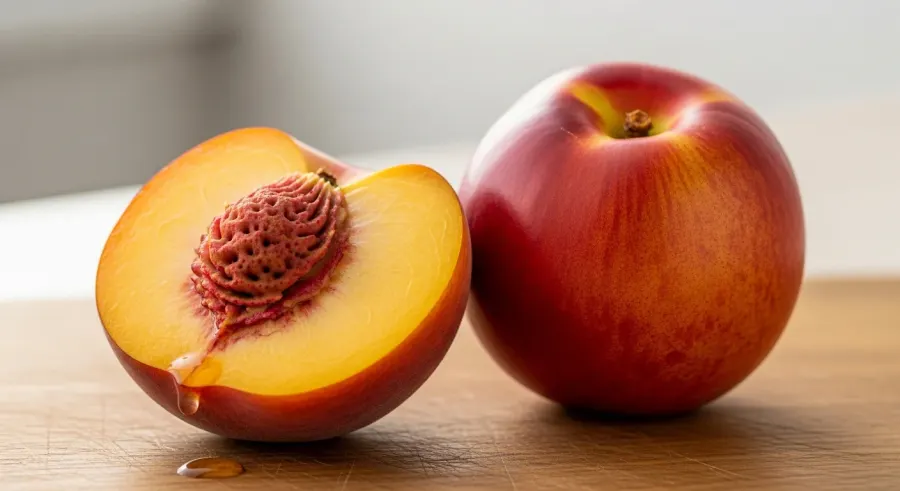
Canned or Frozen Peaches for Baking
Sometimes the smartest swap isn't a different fruit at all. It is just the same fruit preserved at peak ripeness. When you use canned or frozen peaches, you bypass the texture lottery of the fresh produce section entirely.
Commercially canned peaches are processed using heat, which permanently breaks down their cellular walls and pectin structure. They will never have the snap of fresh fruit, but they deliver a massive, concentrated dose of stone fruit flavor. You use them in a 1:1 volume ratio, but you must strain canned peaches thoroughly first.
The main thing you have to account for is the sugar. A 100-gram serving of raw fresh peaches naturally contains about 8.39 grams of total sugars (USDA). If you buy canned peaches sitting in heavy syrup, that sugar content can easily double. You will need to dial back the added white or brown sugar in your recipe by at least a quarter to avoid a overly sweet dessert. Even peaches packed in 100% juice carry extra sugar because the juice concentrates the sweetness.
Frozen peaches bring a slightly different dynamic. They are typically flash-frozen at the peak of their ripeness, meaning they actually retain more of their natural structure than canned peaches do. When using frozen peaches, you do not necessarily need to thaw them before tossing them into a pie crust. You can mix them directly with your cornstarch and sugar. The baking time will just need an extension of about ten to fifteen minutes to account for the frozen center.
Canned and frozen peaches belong in the oven or the blender. They are brilliant for pies, crisps, purees, and smoothies. The heat of an oven is going to turn fresh peaches to mush anyway, so starting with soft fruit changes very little about the final texture of a baked dessert. Do not use them in raw applications where physical structure matters. Tossing slippery, syrupy canned peaches into a fresh tomato salsa or a crisp summer salad turns the whole dish wet and unpleasant.
Fresh Apricots Hold Their Shape Better
Walking past the nectarine bin, you will usually find apricots sitting quietly in smaller cartons. They are smaller, denser cousins in the stone fruit family and naturally carry less moisture.
The USDA logs fresh apricots at about 86.35 grams of water per 100 grams, alongside 48 calories. That slightly lower water content gives them a firmer, meatier bite. Because of their size, measuring by the individual fruit will not work. You will need about two to three apricots to equal the volume of one peach. Once sliced, use a 1:1 ratio by the cup.
The flavor profile shifts away from floral sweetness and leans heavily into a bright, tart acidity. Apricots lack the dripping, sugary profile of a ripe summer peach. They bring a sharp, highly fragrant edge that cuts through heavy butter crusts. Their skin is slightly velvety but nowhere near as fuzzy as a peach. It is thin enough that you almost almost never need to peel an apricot before baking, saving a massive amount of prep time.
This firm texture makes them exceptional for elegant baked goods like galettes, tarts, and open-faced pastries. Because they do not release a massive flood of water as they cook, they hold their shape beautifully and prevent your pastry bottom from turning soggy. However, this lower water content means they don't produce the same thick, bubbling syrup when baked in a deep dish. If you are substituting apricots into a peach cobbler recipe, you might actually need to add a splash of water or fruit juice to the filling so the cornstarch has something to interact with.
Where they fall flat is in raw applications designed around juice. If you swap underripe apricots into a fresh fruit salad hoping for a soft, juicy bite, you will likely end up chewing on something dry and faintly mealy. They really need the application of heat, or at least a brief maceration in sugar, to soften their texture and coax out their best flavor.
Plums Bring the Acid (and the Mess)
Swapping in a plum changes the entire personality of whatever you are making. While they look different, plums share a very similar structural makeup with peaches, resting right around 87% water and 46 calories per 100 grams (USDA).
When exposed to heat, they collapse and melt into that exact same jammy consistency you expect from a peach cobbler. You use them in a strict 1:1 ratio by volume. The flavor is a steep departure from a standard peach. Plums carry a heavy dose of tartness that is almost entirely concentrated in their skins. They lack the gentle, sunny aroma of a peach, offering instead a deep, rich, and sometimes wine-like complexity. When you bake them, that tartness amplifies significantly.
Not all plums behave the same way. A black plum has a dark, tannic skin and yellow flesh that holds its shape relatively well. A red plum is much softer and will disintegrate entirely when baked. If you are substituting for peaches in a dish where you want visible fruit slices, go for a firm black plum or even a Pluot. Pluots are a plum-apricot hybrid that bridge the gap beautifully, offering a naturally high sugar content with the juiciness of a plum.
They shine brightest in rustic desserts. Crumbles, crisps, and heavy batters like upside-down cakes can handle the assertive flavor and high acidity of a plum.
You have to watch out for the color bleed. Plums are packed with anthocyanins, the pigments that give them their deep red and purple hues. When they melt in the oven, they will bleed aggressively into whatever they touch. If you mix them into a light-colored muffin or cake batter, the natural acidity and pigments can react with baking soda to turn the surrounding crumb a highly unappetizing shade of gray-blue. Keep them contained in recipes where the fruit sits on the bottom or is entirely hidden by a crumble topping.
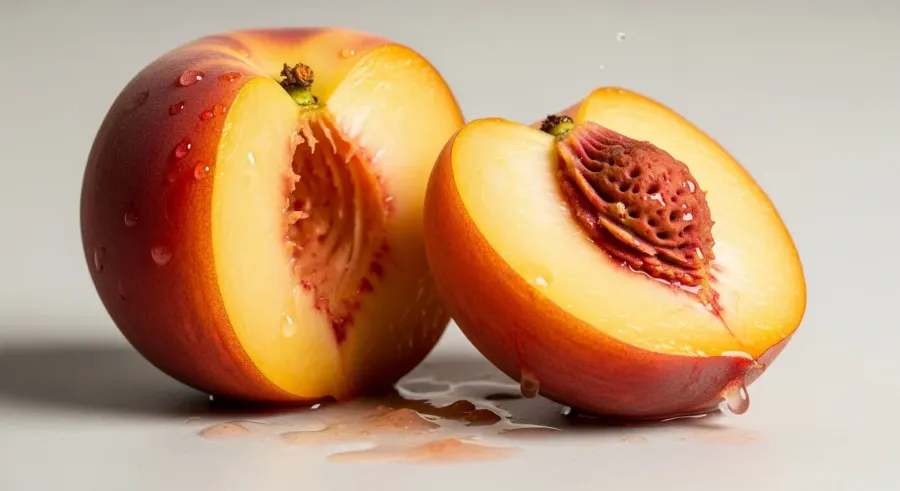
Mangoes Work Best in Raw Dishes
Tropical fruit feels like a massive departure from a backyard summer harvest, but structurally, a firm mango is surprisingly close to a peach.
A slightly underripe mango offers a mouthfeel that mimics a peach almost perfectly. It is smooth, dense, and holds up beautifully to a knife. You use a 1:1 ratio by volume. The nutritional and flavor profiles are where things diverge. Mangoes are noticeably more calorie-dense and sugar-heavy. A 100-gram serving of raw mango delivers 60 calories and around 15 grams of carbohydrates, compared to a peach's 42 calories and 10 grams of carbs (USDA). The flavor is deeply tropical, bringing notes of pine and citrus that no stone fruit possesses.
Choosing the right variety matters heavily for texture. A large, fibrous Tommy Atkins mango (the standard grocery store variety with red and green skin) can sometimes be stringy. If you bite into a slice, you might get threads stuck in your teeth, which ruins the illusion of eating a peach. Instead, look for Ataulfo mangoes—also called honey or champagne mangoes. They are smaller, yellow, and completely smooth inside. Their texture is a flawless stand-in for a soft, ripe peach.
Mangoes are the absolute best choice for raw substitutions. If you are making a peach salsa for fish tacos, tossing a fruit salad, or blending a morning smoothie, mango slides into the recipe without a single structural hitch. Their slightly different acid profile pairs beautifully with lime juice, cilantro, and red onion in savory dishes.
Do not put a mango in a pie. Traditional high-heat baking destroys their appeal. Instead of breaking down into a soft, syrupy filling, baked mangoes tend to become strangely rubbery and lose their vibrant flavor. They simply do not react to oven heat the way a stone fruit does. Keep them entirely raw.
Soft Apples for Structural Emergencies
Late fall baking often demands fruit volume that you simply do not have on hand. When stone fruits are entirely out of season and the canned options look bleak, soft and sweet apples like Fuji or Gala can step in as a purely structural replacement.
Apples have a lower water content and rely heavily on pectin to maintain their shape. They share almost no flavor similarities with peaches. You are using them strictly because they provide bulk, sweetness, and a pleasant bite when baked. You can swap them 1:1 by volume, but you must alter your knife work. Apples take significantly longer to soften under heat than peaches do. You need to slice the apples much thinner—almost paper-thin in some cases—so they cook through in the same amount of time a peach would.
The high pectin content changes the chemistry of your filling. Peaches contain moderate amounts of pectin, mostly in their skins, but apples are loaded with it. When you bake an apple, that pectin sets up and holds the fruit together. This is why a baked apple chunk retains its corners and edges, whereas a baked peach slice slumps and rounds out. Because apples release less water and contain more natural pectin, you can reduce the amount of flour, tapioca, or cornstarch the recipe calls for. If you don't, the filling will turn stiff and unyielding once it cools.
They work as a fallback for deep-dish pies or mixed-fruit crisps where you just need to fill the baking dish and plan to lean heavily on cinnamon and sugar for flavor.
This swap completely fails in short-baking recipes. If you throw thick chunks of Fuji apple into a muffin or pancake batter expecting them to soften in twenty minutes, they will still be hard and crunchy when the timer goes off.
Bottom Line
Cooking without the exact ingredient you need forces you to understand what that ingredient was actually doing in the first place. You realize a peach is mostly just water, sugar, and pectin wrapped in a fuzzy skin. Once you know if you need the water for a jammy filling, the sugar for a salsa, or the pectin for structure, the swap becomes obvious. You stop looking for a perfect replica and start looking for the right mechanics.