In Short
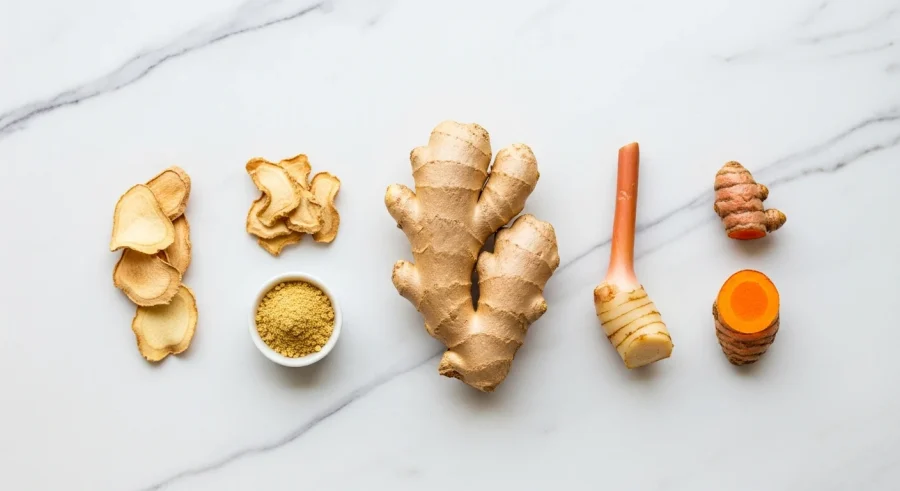
Use ginger paste, frozen ginger, or jarred minced ginger in an exact 1:1 ratio for savory cooking, and use 1/4 teaspoon of ground ginger per tablespoon of fresh for baking. How drying the root alters its chemical heat (and when to reach for galangal instead) is below.
You are halfway through a recipe when you realize the ginger root on your counter has shriveled into a dry fossil. You probably have a functional backup sitting in your pantry or freezer right now. Some swaps are completely seamless. Others will make your savory stir-fry taste exactly like a holiday cookie.
Frozen Ginger Is an Exact Match
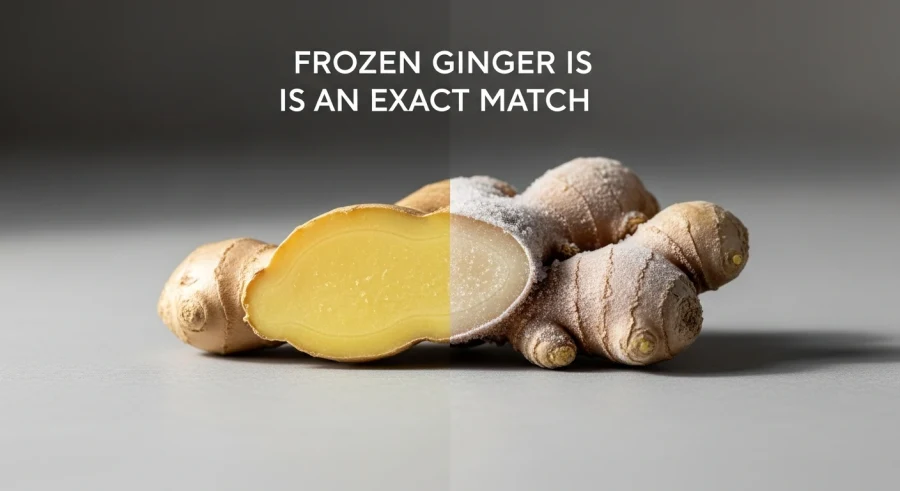
It is rare to find a one-to-one replacement in cooking that requires zero mathematical adjustment. Frozen ginger is the exception to this rule because it is literally just the raw root that has been peeled, crushed, and exposed to sub-zero temperatures.
The ratio is direct. One tablespoon of the frozen version perfectly replaces one tablespoon of grated fresh ginger. Many grocery stores sell this pre-portioned in small plastic trays, where each cube equals a teaspoon. If you freeze your own whole ginger root at home, you do not even need to thaw it. You can drag the frozen knob straight across a microplane. The fibrous strings that normally clog up a grater shatter cleanly when frozen.
When evaluating the frozen ginger vs fresh ginger flavor, the profile remains entirely intact. The freezing process suspends the volatile oils in place. This preserves the sharp, citrus-heavy bite and the familiar sinus-clearing aroma. The only noticeable difference is physical. As the root freezes, ice crystals puncture the plant's cell walls. The texture becomes slightly softer and more watery when it thaws.
This textural shift is an advantage for most cooking methods. The softer consistency allows it to melt effortlessly into simmering curries, soy-based stir-fry sauces, and overnight meat marinades. The extra moisture only causes an issue if it hits screaming hot cooking oil completely alone, which causes aggressive sputtering.
Ground Ginger Changes the Chemistry
Dehydrating a root alters more than just its physical weight and moisture content. When fresh ginger dries out, its molecular structure shifts in a fundamental way. The sharp, bright gingerol compounds undergo a thermal dehydration process and physically convert into a heavier compound called shogaol (Phytochemistry, 2015).
This chemical change creates a very distinct flavor shift. Ground ginger tastes earthier, darker, and much warmer. It completely lacks the juicy, acidic bite of the raw root.
Because the drying process concentrates the remaining plant matter, the measurement scales down significantly. The standard ratio is one-quarter teaspoon of ground ginger for every one tablespoon of fresh ginger required by the recipe.
If you happen to track your macros, fresh ginger contains about 80 calories, 1.8g of protein, 0.75g of total fat (0.2g saturated), 17.8g of carbohydrates, 2g of fiber, 1.7g of sugar, and 13mg of sodium per 100g (USDA FoodData Central). Since you are swapping tiny fractions of a teaspoon, the nutritional difference between fresh and ground forms is entirely negligible. Flavor is the only metric that matters here.
This powdered version shines in the oven. The even distribution of the dry spice makes it perfect for heavy batters, spiced cookies, and pumpkin pie filling. It also holds its own in dry rubs for roasted meats. However, ground ginger fails entirely as a finishing garnish. Sprinkling the powder over sushi or a delicate noodle soup just creates a chalky texture with a muddy, heavy flavor.
Ginger Paste Brings the Heat
Most grocery stores stock small tubes or glass jars of pureed ginger in the produce section. This is a highly convenient minced ginger substitute that bypasses the fibrous texture of the whole root entirely.
The substitution math is entirely straightforward. One tablespoon of paste replaces one tablespoon of fresh ginger.
To keep the puree smooth and shelf-stable, manufacturers blend the raw root with a liquid base. This is usually canola oil, sunflower oil, or water. Sometimes they add trace amounts of salt, sugar, or citric acid to preserve the bright yellow color. This slight addition of fat and acid mellows the natural bite just a fraction, but it still delivers a strong, recognizable punch. The flavor is slightly rounder and less astringent than grating a fresh knob yourself.
This is a highly reliable option for robust cooking. The paste blends seamlessly into heavy Indian curries, thick stews, and robust meat marinades. The oil actually helps carry the fat-soluble flavor compounds throughout a thick sauce.
This substitute is a poor choice for clear sipping broths or teas. The residual oil in the paste will float to the top of a mug, leaving an unpleasant slick on the surface of the water.
Jarred Minced Ginger Has Texture
While ginger paste is a smooth puree, minced ginger is chopped into distinct physical pieces before being submerged in a liquid preservative. It retains the structural integrity of the plant.
The ratio remains a direct one-to-one swap. One tablespoon of jarred minced ginger equals one tablespoon of the fresh root.
The liquid inside the jar is usually water mixed with vinegar or citric acid. This drastically alters the flavor profile. Minced ginger carries a distinctly tangy, acidic undertone that you do not get from the raw root. The ginger pieces themselves hold onto their fibrous crunch, providing a bit of bite to your meals.
This alternative works best in dishes that naturally benefit from a little extra acidity. It is excellent in sesame salad dressings, cold noodle bowls, and soy dipping sauces for dumplings. The visible chunks of ginger make it a great addition to chunky relishes or fruit chutneys.
The high acidity makes it a risky addition to delicate, cream-based dishes. The vinegar clinging to the ginger pieces can easily cause warm dairy to curdle if it is introduced at the wrong stage of cooking.
Galangal Has a Pine Note
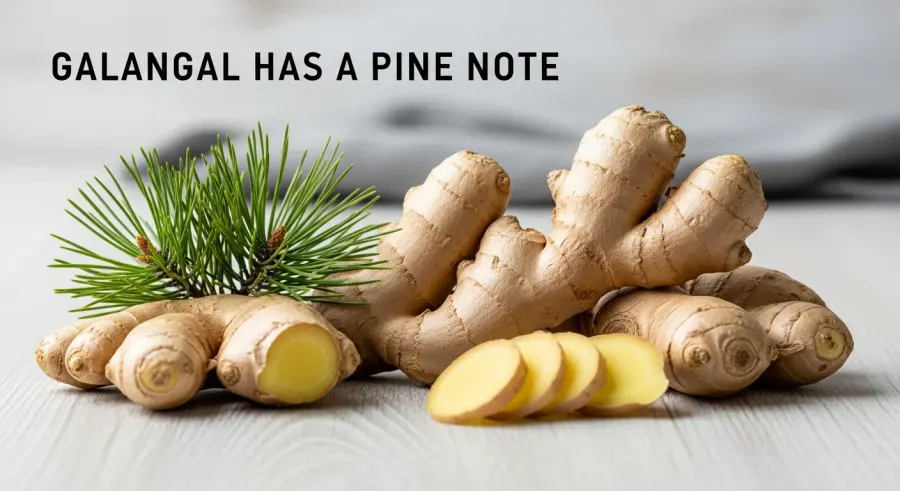
Botanically speaking, galangal is part of the Zingiberaceae family, making it a direct relative to ginger. It looks nearly identical sitting on a cutting board, save for a paler, smoother skin and a much firmer density.
You can use galangal instead of ginger in a direct one-to-one ratio.
The taste is where the two roots diverge sharply. Galangal completely lacks the subtle, warming sweetness of ginger. Instead, it offers a sharp, almost pine-like aroma with a heavy citrus tang. It is highly aromatic. It is also significantly denser and harder to cut with a standard chef's knife.
This swap belongs strictly in savory Southeast Asian cooking. It is the traditional backbone of Tom Yum soup and works exceptionally well in complex Thai curries. It holds up beautifully to long simmering without losing its aromatic edge.
Galangal is a terrible alternative for sweet applications. The medicinal pine notes will clash aggressively with molasses, cinnamon, or brown sugar.
Pickled Ginger Adds Acid
If you frequently order sushi, you likely have a small container of pickled ginger sitting in the back of your refrigerator. Known formally as gari, this condiment is made from very young ginger roots that are sliced paper-thin and steeped in a solution of vinegar and sugar.
You need to chop the slices finely to use them as an ingredient. The ratio is one tablespoon of minced pickled ginger for every tablespoon of fresh ginger.
The flavor is a drastic departure from the raw root. The natural heat of the plant is completely tamed by the pickling liquid. The result is a sweet, highly acidic, and very mild bite.
This swap is highly situational. It works very well in cold applications like a sesame cucumber salad, a soy-based dipping sauce, or folded into a tuna tartare. The sharp acidity brightens up heavy, fatty fish perfectly.
Putting this in a hot stir-fry is a mistake. Heating pickled ginger destroys its crisp texture and turns the bright vinegar notes sour and metallic.
Candied Ginger Is Very Sweet
Crystallized ginger starts as the fresh root before being boiled in a rich sugar syrup and rolled in coarse sugar granules. The commercial candy industry uses this method to extend the shelf life of the plant indefinitely.
Because the natural pungency is heavily diluted by the boiling process, you need more volume to achieve a noticeable ginger flavor. Mincing the chewy pieces finely and using one to two tablespoons for every tablespoon of fresh ginger yields the best result.
This crystallized ginger alternative takes the natural heat of the plant and buries it under a thick layer of sucrose. It provides a dense, chewy texture and a very mild, delayed warmth.
This substitute only functions in baking and desserts. It is brilliant when folded into a muffin batter, sprinkled over a fresh fruit salad, or baked into spiced breads where the sugar complements the other ingredients.
This cannot go into a savory meal. The sheer volume of sugar will instantly ruin the balance of a meat marinade or a garlic-heavy stir-fry.
The Emergency Baking Backup
Sometimes the pantry is completely empty of anything even remotely related to ginger. If you are baking a spice cake and realize you are missing the star ingredient, you can mimic the warming characteristics using other spices entirely.
The ground allspice fresh ginger substitute ratio relies on a fraction. The measurement is one-quarter teaspoon of ground allspice for every tablespoon of fresh ginger. If you do not have allspice, a mixture of cinnamon and nutmeg in the exact same measurement will also work.
Allspice is actually the dried unripe berry of the Pimenta dioica tree. It delivers deep notes of clove, cinnamon, and nutmeg. It entirely lacks the fiery snap and citrus brightness of the actual root, but it provides a very similar cozy, autumnal depth.
This only works in sweet breads, cookies, or dessert recipes where ginger was meant to be a background warming element.
Adding allspice to a savory chicken stir-fry will make your dinner taste like a confused dessert.
Bottom Line
The success of a substitute always comes down to the temperature and texture of the dish you are cooking. Baking absorbs dry powders beautifully, while simmering liquids handle oils and pastes without any issue. A missing ingredient just forces a slight, calculated pivot in the kitchen.