In Short
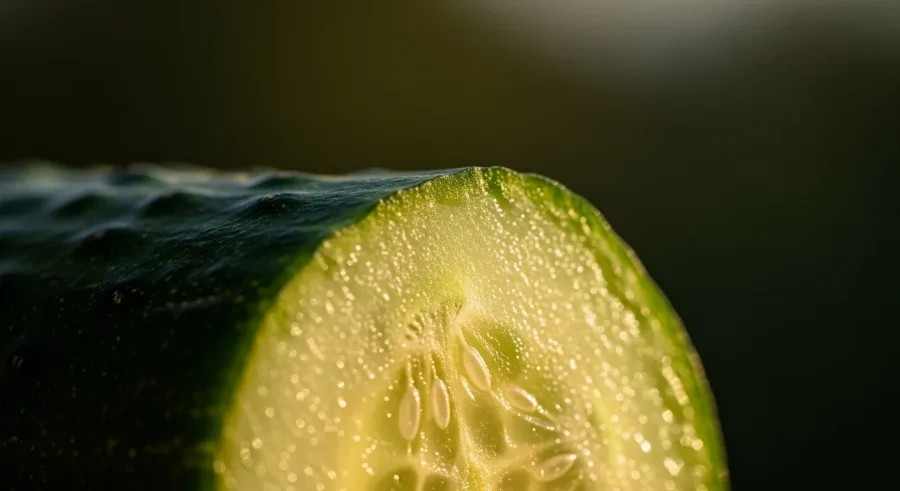
Cucumbers turn bitter as a natural defense mechanism against drought and heat stress, pumping a chemical called cucurbitacin from their leaves into the fruit. The viral trick of rubbing the ends together only removes bitterness from the cut surface, not the whole vegetable.
You bite into a crisp, green slice of summer and immediately recoil. Instead of refreshing water and a mild crunch, your mouth is hit with a sharp, medicinal taste that feels like aspirin. It seems like a mistake of nature for a vegetable that is 95 percent water (USDA) to carry such a harsh flavor profile. The truth is far more calculated.
The chemical that kept them alive
Long before they were neatly stacked in grocery store produce aisles, cucumbers were wild vines fighting for survival. Their primary asset was also their biggest liability: water. In dry, unforgiving environments, a fruit filled with hydration is an immediate target for every passing herbivore. To avoid being eaten into extinction, the plant developed a brilliant biochemical defense system.
The sharp flavor you occasionally encounter is caused by a class of highly oxygenated compounds known as cucurbitacins. Specifically, cucumbers produce cucurbitacin C. In a 2014 breakthrough published in the journal Science, geneticists from UC Davis and the Chinese Academy of Agricultural Sciences sequenced the DNA of wild and domestic cucurbits to understand this mechanism. They discovered that wild cucumbers were virtually inedible, laced with toxic levels of cucurbitacin.
Our ancestors slowly domesticated the plant, selecting for milder and sweeter fruits over thousands of years. But they never actually removed the genetic capability to produce the bitter compounds. The researchers identified two master switch genes—referred to as Bl for the leaves and Bt for the fruit. In modern cucumbers, the switch for the fruit is usually turned off by default. The plant still manufactures the chemical armor in its roots and foliage to fend off insects, but it keeps the actual cucumber fruit clear for human consumption. Most of the time, anyway.
Why heat waves ruin the flavor
Even the most domesticated garden vegetable remembers its wild heritage when things get difficult. A cucumber plant is highly sensitive to its environment. When it experiences sustained stress, it abandons flavor in favor of sheer survival.
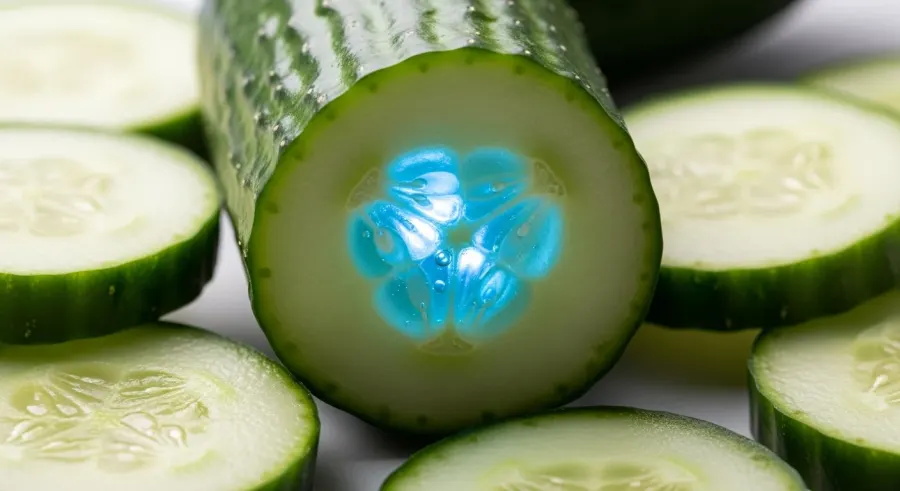
The most common triggers are sudden heat waves, prolonged drought, or erratic watering patterns—like a garden bed that completely dries out before being flooded with a hose. When the plant senses that resources are scarce, it panics. It assumes the environment is turning hostile and decides it must protect its developing seeds at all costs. The stomata on the leaves close up to conserve moisture, normal growth slows down, and the plant begins actively pumping cucurbitacin C from its vegetative tissues directly into the fruit.
This is a highly localized stress response. A cucumber that looks perfectly plump on the outside can taste entirely different from one harvested just three days earlier from the exact same vine. Commercial growers go to great lengths to prevent this, using automated drip irrigation and UV-filtering shade cloths to keep the plants in a state of permanent comfort. When you buy a bitter cucumber at the farmers market or harvest one from a backyard raised bed, you are tasting the botanical equivalent of a high-stress environment.
Which end you peel changes everything
Because the plant transports cucurbitacin from the main vine down into the fruit, the distribution of the chemical is never even. It acts like a funnel. The highest concentration of bitterness is always found at the stem end—the dark green tip where the fruit was attached to the vine. From there, the oils pool in the vascular tissue just underneath the tough outer skin.
This uneven distribution creates a mechanical problem when you prepare them in the kitchen. The standard way most people peel a cucumber is by gripping the stem end and dragging a vegetable peeler downward toward the lighter blossom end. This motion physically scrapes the concentrated cucurbitacin oils from the top and smears them across the exposed, mild flesh of the entire vegetable. You are essentially painting the bitter compound onto the exact part you plan to eat.
Reversing your grip solves the issue. By slicing off the stem end first, then peeling from the light blossom end upward, you leave the concentrated oils behind. It is a minor adjustment in technique that honors the specific biology of the plant, preventing a localized bitter spot from ruining an entire salad.
The truth about the rubbing trick
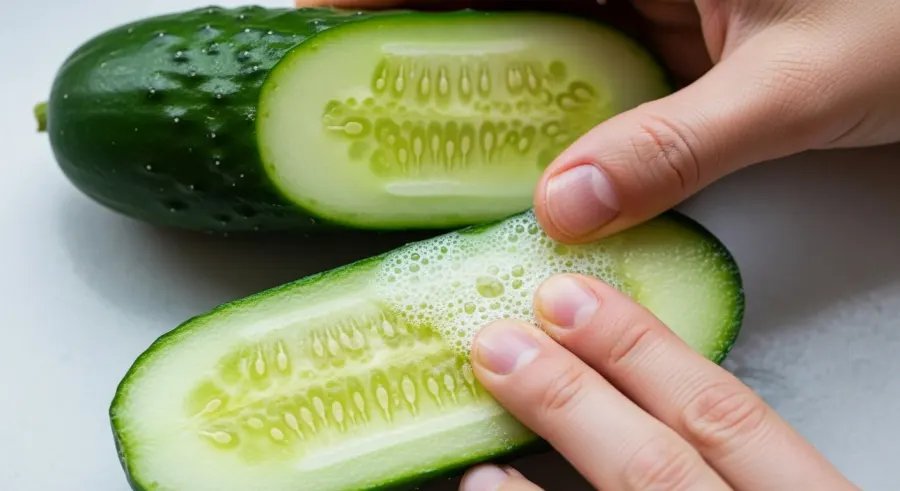
If you spend any time on food blogs or social media, you have likely seen the viral "milking" trick. The method involves slicing the tip off a cucumber and vigorously rubbing the two flat cut sides together until a thick, white foam appears. Advocates claim this motion acts like a vacuum, drawing the bitterness out of the entire fruit.
The visual evidence is compelling. The white lather certainly looks like an extracted impurity. But the physics of the trick tell a different story.
Cucurbitacins belong to a broader family of chemical compounds that behave like saponins—natural plant surfactants that lather up when agitated with water. When you rub the two cut ends of the cucumber together, you are creating intense friction. This friction mechanically tears open the cell walls on the surface layer. The water from the cells mixes with the localized cucurbitacin and saponins, and the rubbing motion whips air into the liquid, creating a stable foam.
You are successfully isolating and frothing up the bitter compounds, but only the ones located within a millimeter of the knife cut. Capillary action and cell wall structures prevent a surface-level friction trick from pulling fluids out of the center of a dense, six-inch vegetable. The trick effectively cleans the newly cut edge, but it does absolutely nothing to alter the chemical makeup of the rest of the cucumber.
The actual meaning of burpless
Seed catalogs and grocery store displays frequently label certain long, thin varieties as "burpless." It sounds like a pure marketing invention, but the term points to a very real genetic distinction.
The exact same cucurbitacin compounds that trigger our bitter taste receptors also irritate the human digestive tract. For many people, eating standard slicing cucumbers leads to mild indigestion, bloating, and burping as the stomach reacts to the defensive chemicals. In the mid-twentieth century, plant breeders realized that if they could isolate a cucumber lacking the ability to produce these compounds, they could solve the digestive issue.
A true burpless cucumber is an intentional genetic mutation. These varieties lack functional cucurbitacin-producing genes. Because they are physically incapable of synthesizing cucurbitacin C, they never turn bitter, no matter how much heat or drought stress the plant endures.
The trade-off is structural. Without their natural chemical armor, burpless cucumbers are highly vulnerable to pests like cucumber beetles. They also tend to have much thinner skins, which makes them delicate to transport. They are sweeter and easier on the stomach, but they require significantly more protection while growing in the field.
When you should just throw it out
A mild, aspirin-like edge on a cucumber is a culinary annoyance. You can often salvage the vegetable by peeling it deeply, removing the seeds, and tossing the flesh with an acidic vinaigrette to balance the flavor. But there is a threshold where bitterness stops being a flavor flaw and becomes a physiological warning.
On rare occasions, a cucumber or its close relatives will taste aggressively, sharply chemical—so bitter that it makes your tongue recoil. This is a phenomenon known as Toxic Squash Syndrome. While it is more common in zucchini and pumpkins that have accidentally cross-pollinated with ornamental gourds, it can occur in cucumbers that have experienced extreme, compounding environmental stressors.
When cucurbitacin levels spike to toxic concentrations, the fruit becomes genuinely unsafe to eat. Ingesting high amounts of the compound causes severe abdominal cramps, nausea, and food poisoning symptoms. The chemical is heat-stable, meaning you cannot cook the bitterness away, and no amount of salt or pickling vinegar will neutralize the toxin. If a single bite causes a harsh, lingering chemical burn in your mouth, the plant is doing exactly what it evolved to do: telling you to drop it and walk away.
Bottom Line
It changes how you look at a simple garden salad when you realize the crisp, watery slices are harboring the remnants of an ancient botanical defense system. A mild cucumber isn't the default state of nature; it is a temporary truce between a plant and its environment.