In Short
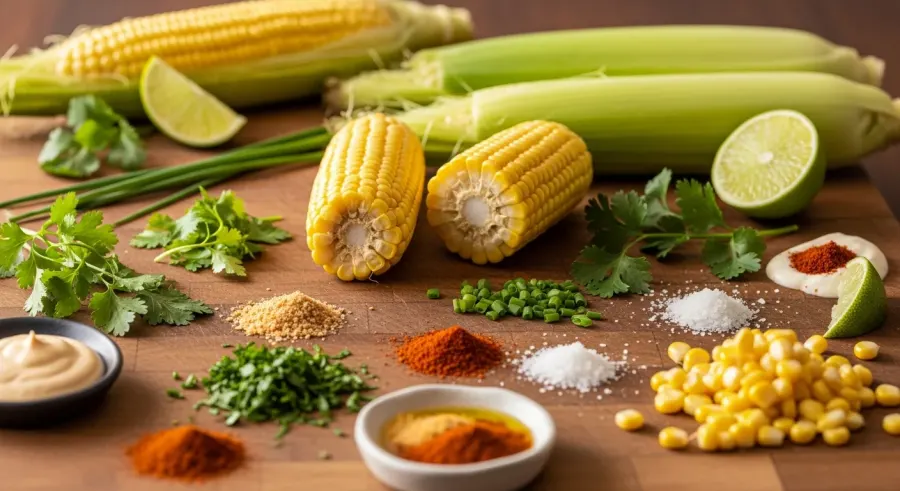
Basil and cilantro are classic matches, but tarragon and mint are the secret weapons for elevating sweet corn. The trick lies in balancing corn's naturally heavy dimethyl sulfide compounds with bright, contrasting herbal notes. The science behind which herbs go well with corn (and why rosemary usually ruins it) is below.
Corn is naturally sweet, starchy, and rich. That heavy flavor profile is exactly why it can handle a lot more than a standard pat of butter. If you are wondering what to season corn with, taking a quick look at the chemistry of those yellow kernels makes the choice obvious.
Why Does Corn Taste Like That?
When you boil or roast corn, you are activating a specific aromatic compound called dimethyl sulfide, or DMS. It is the exact same chemical that gives cooked cabbage and asparagus their distinct cooked smells (Journal of Agricultural and Food Chemistry, 1968). In raw corn, this compound exists as a dormant precursor, but the moment heat is applied, it transforms and blooms.
In small amounts, DMS smells deeply savory, vegetal, and intensely comforting. That is the nostalgic scent of summer barbecues. But because it sits so heavily on the palate, sweet corn desperately needs bright, contrasting elements to wake it up. The natural sugars in corn—primarily sucrose—compound this heaviness. You want leaves that provide a sharp counterpoint to the starch, slicing through the buttery weight of the dish. The flavor science of corn requires balance, not just extra fat.
Tarragon Actually Works Magic
Most people only pull tarragon out for French chicken dishes or classic Bearnaise sauce. It turns out to be one of the smartest pairings for sweet corn you can find, mostly due to its unique chemical makeup.
Tarragon contains high concentrations of estragole, an organic compound that gives off a faint licorice or anise scent. When you mix that subtle, cooling anise flavor with the rich, sulfurous DMS of cooked corn, it acts as a palate cleanser. It cuts right through the heaviness, preventing the corn from feeling too cloying. Corn and tarragon is a very common pairing in high-end restaurant kitchens for heavy dishes like corn chowders and creamy risottos. It works flawlessly.
A common approach is folding a tablespoon of fresh tarragon into creamed corn right at the end of cooking. The ambient heat of the cream releases the herb's essential oils. The leaves stay bright green and pungent.
Basil Is a Biochemical Match
For a slightly more familiar flavor profile, basil is an excellent choice. The underlying science of why this works is actually pretty fascinating from a botanical perspective.
Sweet basil contains high amounts of linalool, a floral compound, alongside its own moderate dose of estragole. Because basil and corn share some of these overlapping sweet, aromatic qualities, they act as a natural bridge for each other. It feels less like a stark contrast and more like an extension of the vegetable itself. The basil highlights the natural sucrose in the kernels rather than fighting against it.
This pairing shines especially brightly when dairy fat is involved. A quick compound butter made with half a stick of softened butter, a pinch of salt, and a handful of finely chopped basil leaves works perfectly. Smeared over boiled cobs just before serving, the fat carries the linalool directly to your taste receptors.
Cilantro Brings the Sharpness
There is a reason Mexican street corn relies so heavily on fresh cilantro as a garnish. The herb is packed with specific aldehydes, which are organic compounds that taste bright, soapy to certain genetic palates, and distinctly citrusy.
Those aldehydes are essentially the biochemical opposite of corn's dense, savory sulfur notes. When you take a bite, the cilantro hits your tongue first with a sharp, grassy flavor. That is followed immediately by the warm, sweet starch of the kernels. It creates a push-and-pull dynamic that keeps your palate engaged. Without the cilantro, the mayonnaise and cheese typical of street corn would simply be overwhelming.
A heavy hand is useful here. A quarter cup of chopped cilantro stems and leaves tossed into a skillet of charred corn, along with a generous squeeze of lime juice, provides exactly the right balance of acid and freshness.
Wait, Mint on Corn?
Putting mint on a starchy, sugary vegetable sounds like a culinary mistake. It isn't. It is actually a very clever trick for summer salads, relying on a completely different sensory pathway.
The menthol found in fresh mint leaves physically triggers the cold-sensitive TRPM8 receptors in your mouth and throat. Corn is often served warm and feels heavy in the stomach. That sudden cooling sensation from the mint creates a really pleasant contrast. It lifts the entire dish so you do not feel bogged down by the carbohydrates.
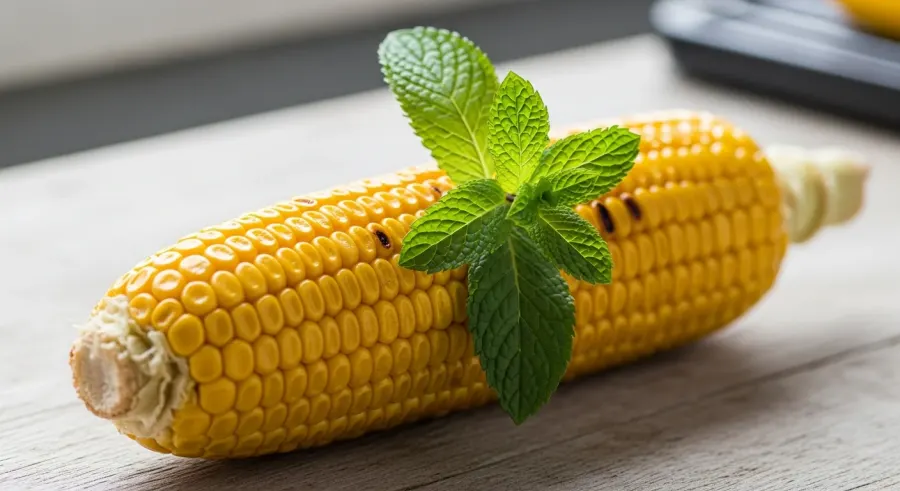
A raw or lightly blanched corn salad is the perfect venue for this interaction. Mixing the cooled kernels with diced cucumber, torn mint, and a salty cheese like feta lets the salt and the menthol do the heavy lifting. It changes how the corn eats entirely.
Chives Are Basically Cousins
If you want to lean all the way into the savory side of things, chives are your best option for an herb pairing.
Both corn and alliums—the family that includes chives, onions, and garlic—rely heavily on sulfur compounds for their signature cooked flavors. Adding minced chives to corn just amplifies the savory, vegetal notes that are already present. It is a harmonious, parallel pairing that makes the vegetable taste meatier and more robust, bringing out the umami qualities hidden beneath the sugar.
Snipping a few tablespoons of fresh chives over a bowl of hot, buttery corn requires almost zero cook time. The residual heat of the bowl is enough to soften the delicate hollow stems and release their sulfurous aromas.
Thyme Anchors the Sweetness
High heat fundamentally changes what herbs will work. When you decide to roast or grill corn, you are introducing the Maillard reaction. This process browns the sugars and creates complex, nutty flavor compounds called pyrazines.
Thyme contains thymol, a deeply earthy, woody compound that holds up perfectly to those bitter, charred notes. Delicate, water-heavy herbs like basil or mint would get completely lost against the aggressive flavor of roasted corn. Thyme matches its intensity step for step. The woodiness grounds the residual sweetness.
Tossing corn kernels with olive oil, salt, and the leaves from three sprigs of fresh thyme before roasting at 400°F for twenty minutes allows the herb to meld with the charred sugars. The thyme effectively bakes into the kernels.
Parsley Resets Your Palate
Parsley often gets dismissed as a meaningless plate garnish, but it actually plays a crucial mechanical role when paired with heavy starches.
Flat-leaf parsley is rich in apigenin, a natural compound that carries a distinct, clean bitterness. Sweet corn is overwhelmingly heavy on sucrose and savory sulfur, which can cause palate fatigue after just a few bites. The mild bitterness of parsley acts as a reset button for your tongue. It clears away the lingering butter and sugars so the next bite tastes just as vibrant as the first.
This is why a simple summer salad relies so heavily on parsley. Chopping a handful of the leaves and tossing them into a room-temperature bowl of corn and tomatoes provides just enough astringency to keep the flavors from becoming muddy.
Bottom Line
Finding the right herbs for corn is mostly about deciding what you want the dish to feel like. You can lean into the natural sweetness with basil, contrast the heavy starch with cilantro, or ground the whole thing with the earthy notes of thyme. It just depends on what else is on the table.