In Short
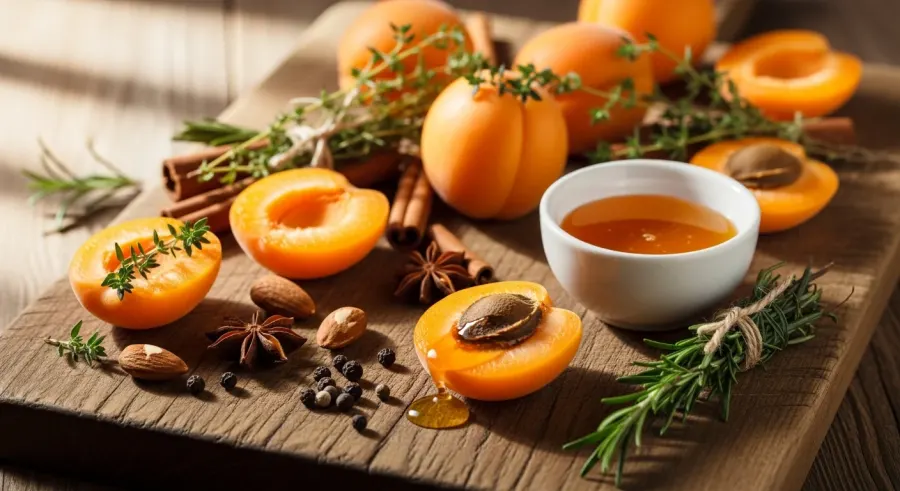
Apricots pair beautifully with almonds, rich meats like pork and lamb, resinous herbs such as rosemary, and cultured dairy. Why these combinations work on a molecular level (and why white miso is the ultimate unexpected pairing) is below.
I always thought of apricots as just the less-juicy cousin to the peach. Then I started paying attention to how they actually behave in a hot pan. A standard 100-gram serving of raw apricots carries about 48 calories and 11 grams of carbohydrates (USDA FoodData Central), but their true culinary value lies entirely in their aromatic compounds. They hold onto some serious biochemical secrets. They have this distinct sweet-tart personality that can completely anchor a dish when you know exactly what to match them with.
The Almond Family Reunion
You might have noticed that apricot pits smell suspiciously like amaretto.
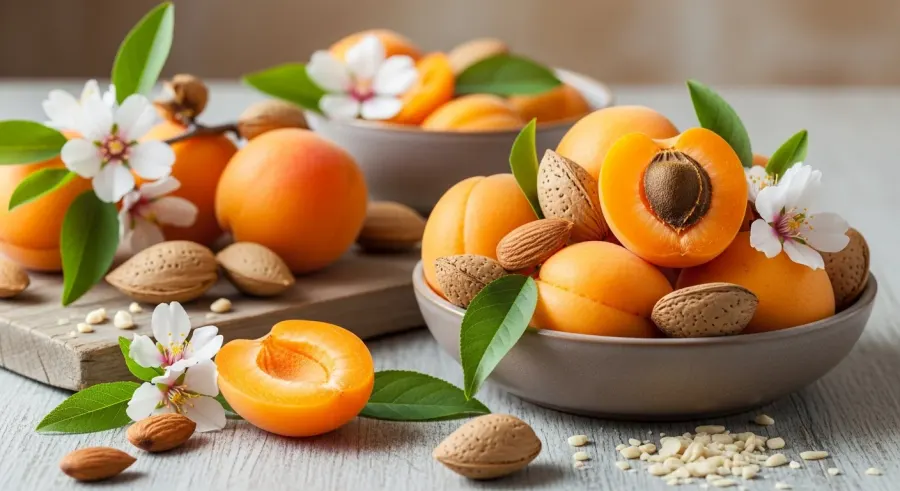
That is not a coincidence. Both almonds and apricots are members of the Prunus genus, and they share a heavy dose of benzaldehyde. This is a flavor compound that gives them that distinct, slightly woody cherry-almond aroma. When you pair the fruit with toasted almonds, hazelnuts, or pistachios, you are essentially completing a chemical circle. It amplifies the stone fruit flavor without adding any more sugar to the plate.
The state of the nut matters here. Raw almonds can sometimes taste a bit dusty or flat next to fresh fruit. Toasting the nuts brings out their natural oils and adds a bitter, roasted edge that grounds the sweetness of the apricot.
Tossing sliced fresh apricots with toasted slivered almonds, a drizzle of olive oil, and a pinch of flaky sea salt makes a fantastic simple salad. The fat from the nuts mellows out the fruit's natural tang perfectly.
Why Pork and Lamb Need Acid
Fatty proteins demand a counterpunch.
Fresh apricots sit at a pH level between 3.3 and 4.8, depending on how ripe they are. That makes them quite acidic, which is exactly the kind of chemical profile you want when dealing with heavy, rich meats like pork shoulder or lamb chops. When meat sears in a hot pan, the Maillard reaction creates hundreds of savory, roasted flavor compounds. Adding apricots to that environment does something highly practical. The fruit's naturally occurring malic acid cuts straight through the heavy animal fat on your palate.
As the apricots soften in the residual heat, their cell walls collapse. They release sugars that caramelize and bind with the savory meat drippings.
Dried apricots work just as well here, though they require a slightly different approach. Because the dehydration process concentrates their sugars, they can border on cloying if left unchecked. Rehydrating them directly in a dry white wine or chicken broth while the meat rests solves this. Simmering half a cup of roughly chopped dried apricots in a skillet with the leftover pork fat and a splash of stock for three minutes creates a thick, glossy sauce. The umami from the meat balances the intense sweetness of the dried fruit.
Rosemary and the Piney Contrast
Most people reach for mint when they want to dress up fruit.
Mint can work, but the menthol compounds often clash with the delicate nature of stone fruit. Apricots contain linalool, a compound that gives them a slightly soapy, heavily floral aroma. To ground that floral energy, you need something resinous. Rosemary and thyme offer a sharp, woodsy contrast that keeps the apricot from tasting like perfume. The piney notes in rosemary act as a structural bridge between the fruit's sweetness and whatever savory elements are on the plate.
Heat is the catalyst for this pairing. Cold, raw rosemary is tough and abrasive. When exposed to heat, the herb's essential oils bloom and infuse the surrounding ingredients.
If you are roasting chicken thighs, laying sprigs of fresh thyme and rosemary over halved apricots in the roasting pan is a great method. The 400-degree heat releases the herb oils directly into the softening fruit's skin, marrying the two flavors together in about twenty minutes.
Heavy Cream and Cultured Dairy
There is a reason peaches and cream is a culinary cliché.
Apricots handle dairy a little differently than peaches do. Because they lack the excessive water content of a ripe peach, apricots do not turn dairy into a soggy, diluted mess. The real magic happens with cultured, slightly tangy dairy like mascarpone, whole-milk ricotta, or even a mild goat cheese.
The lactones in the apricot—specifically gamma-decalactone, which contributes that signature creamy, peachy aroma—latch onto the milk fats. Skim milk or low-fat yogurt fails here because there is not enough fat to carry the fat-soluble flavor compounds. You need the heavy richness of whole milk to coat the palate.
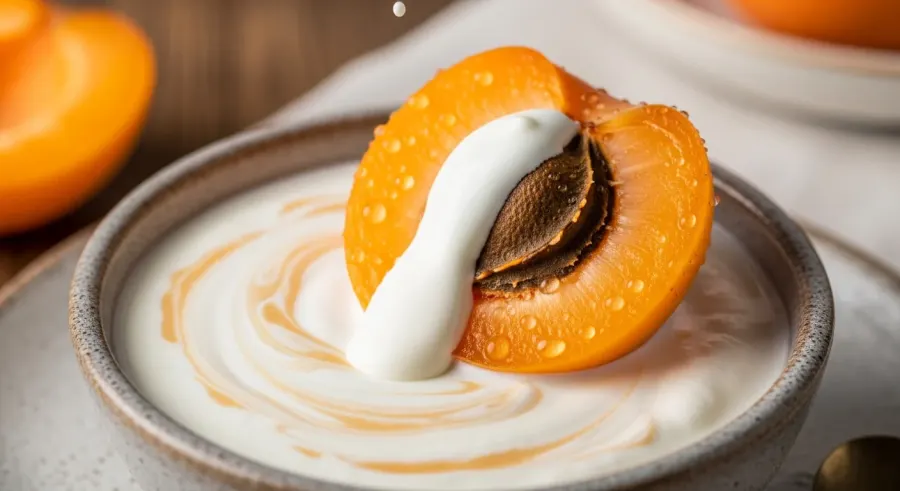
The slight tang of cultured cheese mirrors the tartness of the fruit, creating a unified flavor rather than a jarring contrast. Grilling apricot halves for two minutes on a hot grate until they get some light char changes their structure entirely. Filling the warm centers with a spoonful of whipped ricotta and a crack of black pepper highlights this balance.
Wait, Miso Actually Works?
This combination sounds wrong until the exact moment you taste it.
We usually think of stone fruit in the context of pies, jams, or maybe a summer salad. Miso paste feels like it belongs in an entirely different culinary universe. But white miso paste is packed with glutamic acid, the amino acid responsible for our perception of umami. Apricots are driven by bright, fruity esters and lactones.
When you mix the two, they do not fight. The salty, fermented depth of the miso forces the apricot's aggressive sweetness to step back, creating a highly complex, savory glaze. It is an exercise in contrast. The salt enhances the fruit's subtle floral notes, while the fruit's acid brightens the heavy, savory fermentation of the soybean paste.
You want to stick strictly to white miso (shiro miso) for this. Red or brown miso has a much longer fermentation time and carries heavy, pungent notes that will easily obliterate the delicate apricot flavor.
Blending half a cup of warm, rehydrated dried apricots with one tablespoon of white miso paste and a teaspoon of rice vinegar yields a fantastic glaze. Brushing this mixture over roasted eggplant during the last five minutes in the oven allows the sugars to caramelize without burning.
Cardamom Instead of Cinnamon
Baking spices are tricky.
Cinnamon is the default for most people, but its primary compounds (cinnamaldehyde and eugenol) are loud. They easily bully delicate stone fruit, making the dish taste like a candle. Cardamom is the better move.
Cardamom has a complex, slightly mentholated citrus profile that pulls out the subtle floral notes hidden in the apricot. When heat is applied, the essential oils in crushed cardamom pods bloom, wrapping around the fruit's natural beta-ionone compounds. These are the exact same chemical compounds that give certain flowers, like violets, their distinctive scent.
Using the whole pod rather than pre-ground powder gives you much more control. Pre-ground cardamom oxidizes quickly and loses its subtle citrus notes, leaving behind only a dusty flavor.
Simmering fresh apricot wedges with a single gently crushed green cardamom pod and a teaspoon of honey for ten minutes works wonders. The resulting compote holds onto the bright fruitiness of the apricot while carrying a warm, aromatic finish.
Fresh Ginger Brings the Heat
Fruit needs a little friction.
Without a contrasting element, apricot dishes can occasionally veer into tasting flat or overly sweet, especially when cooked down into a sauce or jam. Fresh ginger brings a sharp, biting heat that wakes the whole profile up.
The primary active compound in raw ginger is gingerol, which provides that distinct spicy kick. When ginger is cooked, gingerol transforms into zingerone. Zingerone is milder and carries a spicy-sweet aroma. This chemical transformation is highly compatible with the apricot's native flavor compounds.
The heat from the ginger prevents the fruit from feeling heavy on the palate. It acts as a built-in palate cleanser within the dish itself. This works particularly well when the apricots are being used in a marinade for poultry or a chutney for roasted vegetables.
Grating a thumb-sized piece of fresh ginger into a saucepan with two cups of diced fresh apricots and a splash of water takes about fifteen minutes to reduce into a vibrant sauce. The aromatic heat of the ginger slices right through the thick, jammy texture of the reduced fruit.
Bottom Line
Figuring out what belongs with apricots really just comes down to looking past their sweetness. Once you treat them as an acidic ingredient that brings floral depth to a dish, they stop being just a simple snack. They become one of the most reliable flavor tools you have on the cutting board.