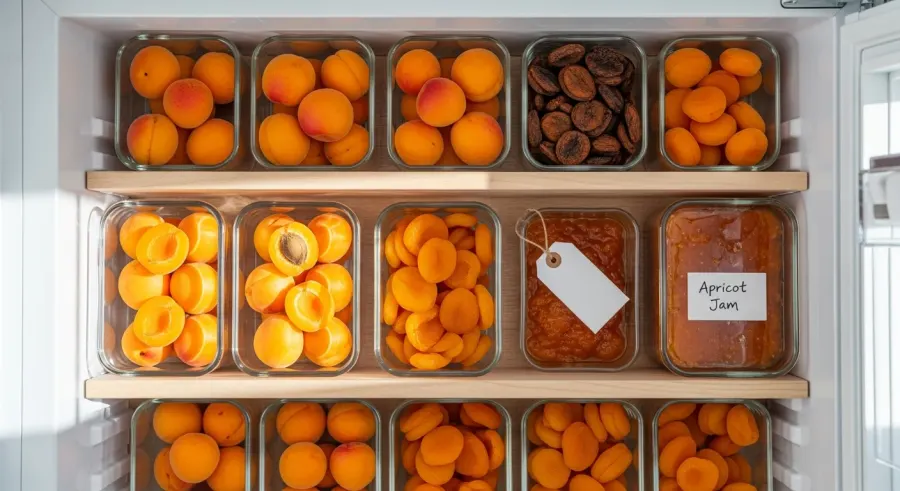
In Short
Keep unripe apricots on the counter until they yield to gentle pressure, then move them to the fridge to buy yourself an extra week. Placing firm, unripe fruit directly into the cold ruins their texture entirely—and the biology behind why is fascinating.
I used to buy a pint of beautiful, fuzzy apricots only to find them wrinkled and mushy three days later. It turns out these delicate stone fruits are highly sensitive to both cold temperatures and ambient moisture. Finding the exact moment to move them from the kitchen counter to the refrigerator is the trick to figuring out how to store fresh apricots without wasting them.
Leave unripe ones on the counter
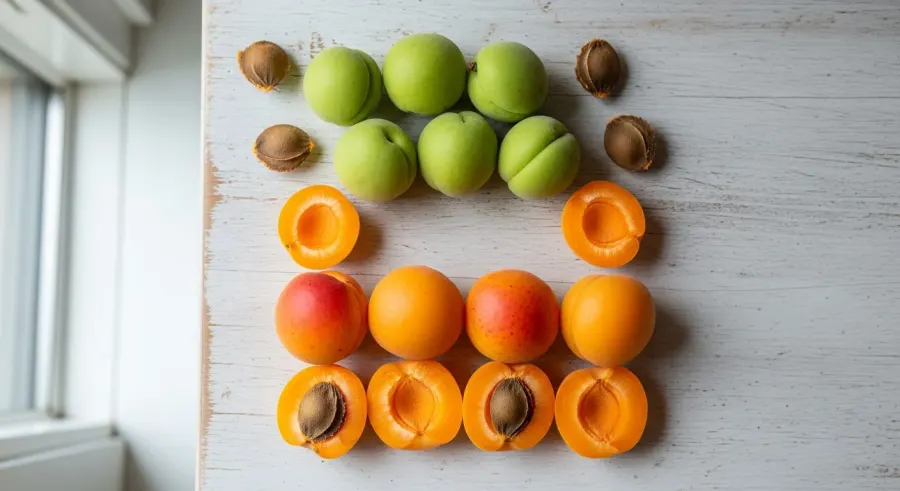
Apricots are what botanists call climacteric fruit. They generate a burst of ethylene gas as they ripen, which triggers a conversion of natural starches into sugars and softens the dense flesh. If you buy them firm and slightly pale at the grocery store, they need to sit out at room temperature to finish this natural process.
Putting hard, unripe apricots straight into the refrigerator is a common mistake. Temperatures in a standard refrigerator cause a physiological condition known as chilling injury. In plain terms, the cold halts the ripening process entirely. They won't just ripen slower in the fridge. They will stay rock-hard permanently and eventually develop a mealy, brown interior that lacks any of that signature tart-sweet flavor.
Leaving them on the counter, away from direct sunlight or hot appliances, is the best approach. Placing them in a loosely closed brown paper bag can speed up the timeline. The bag traps the ethylene they naturally release, concentrating the gas around the fruit. (A brown paper bag works much better than plastic, which traps moisture and invites mold). They usually take about two to three days to soften up. You can tell they are ready when the skin turns a uniform golden-orange, the floral aroma becomes noticeable, and the flesh yields just slightly to gentle pressure near the stem.
The fridge method that actually works
Once an apricot reaches peak ripeness, it degrades fast. Left on the counter, a fully ripe apricot might only survive another 24 to 48 hours before turning to mush.
To buy yourself an extra one to two weeks, they have to go into the refrigerator. According to the USDA, commercial cold storage aims for around 31°F to 32°F, but a standard home fridge hovering between 36°F and 40°F works perfectly fine for short-term preservation.
The main threat in the fridge isn't temperature, but moisture. Apricots have thin, permeable skins. Any surface moisture creates a breeding ground for mold spores like Alternaria and Monilinia. Water is the enemy.
Waiting until the exact moment you plan to eat them to run them under the tap keeps the skin dry during storage. For the best setup, place the unwashed fruit in a single layer inside a shallow container. Lining the bottom with a dry paper towel absorbs ambient condensation. Leaving the lid slightly ajar or using a container with ventilation holes helps manage humidity. Sealing them tightly in a plastic bag traps respiratory moisture and speeds up decay.
Freezing is mostly just halving them
Sometimes you end up with a flat of apricots that are all ripening at the exact same time. When the fridge can't save the surplus, the freezer is the next logical step.
Properly frozen apricots maintain their quality for 8 to 12 months. Freezing stops bacterial growth and enzymatic breakdown, though the freezing process itself expands the water inside the fruit. When thawed, the cellular walls rupture, leaving the fruit softer than before. They work perfectly for baking, smoothies, or making preserves, but they lose the firmness required for a fresh snack.
Starting with a thorough wash and dry prepares the fruit for the freezer. Slicing each apricot in half along the seam makes it easy to remove the pit. Freezing them whole is an option, but trying to pry a pit out of a rock-solid, frozen apricot later is frustrating. Just halve them now.
Arranging the halves cut-side up on a baking sheet lined with parchment paper prevents clumping. Putting the tray in the freezer for a few hours until the halves are firm ensures they freeze individually. Once they are solid, transferring them to a heavy-duty freezer bag or an airtight container keeps them safe from freezer burn.
What spoiled ones actually look like
Even with perfect storage conditions, fresh produce has a finite window. You can usually tell when an apricot has passed the point of no return just by looking at it.
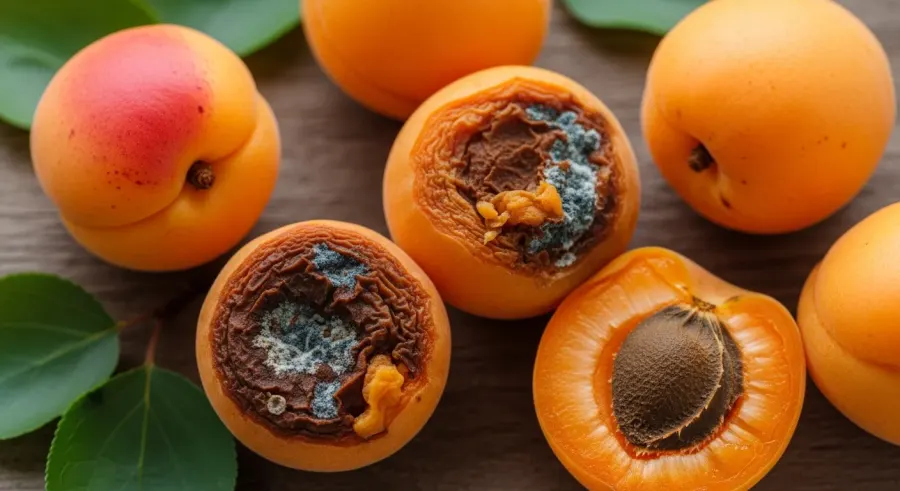
Slight wrinkling on the skin just means the fruit is losing water. A wrinkled apricot is still safe to eat, though the texture might be a bit softer and the flavor slightly more concentrated. However, if you see dark brown, sunken spots or any patches of fuzzy white or blue mold, the fruit has spoiled.
Texture is another clear indicator. A ripe apricot is soft, but it still holds its basic shape. If the fruit feels entirely mushy, collapses under very light pressure, or feels slimy on the surface, bacteria have already begun breaking down the flesh.
Your nose will also give you a definitive answer. A fresh, ripe apricot has a sweet, floral, and slightly tart aroma. When spoilage yeast and bacteria take over, they ferment the natural sugars. The smell shifts from fragrant to distinctly sour, musty, or mildly alcoholic. If you pick up on any fermented notes, the fruit is no longer fit to eat.
Do they lose nutrients sitting around?
Apricots are prized for their beta-carotene and vitamin C content, but those nutrients don't stay static once the fruit leaves the tree.
Storage conditions actively affect the nutritional profile of fresh produce. Vitamin C is sensitive to both heat and oxygen. As an apricot sits on the counter or in the fridge, it slowly respires, using up its own internal resources to stay alive. During this ongoing metabolic process, water-soluble vitamins gradually degrade.
According to USDA postharvest data, long-term cold storage leads to a steady decline in ascorbic acid (vitamin C) and certain antioxidants. A freshly picked apricot will always have a higher vitamin yield than one that has been sitting in a crisper drawer for two weeks.
If nutrient retention is your primary goal, freezing is highly effective. Flash-freezing essentially pauses the biological clock. While the freezing process causes a slight initial drop in water-soluble vitamins, it locks in the remaining beta-carotene and vitamin C for months, far outperforming fruit that slowly deteriorates in the refrigerator.
Common mistakes that bruise the fruit
A few specific habits tend to shorten the lifespan of stone fruit without you even realizing it. Storing apricots in the exact same bowl as bananas, apples, or tomatoes is a frequent misstep. All of those fruits are heavy ethylene producers. If you place your ripe apricots next to a bunch of yellow bananas, the ambient ethylene gas will push the apricots past peak ripeness and directly into the mushy, overripe stage within a matter of hours.
Another habit that causes structural issues is piling the fruit deep in a high-sided bowl. Apricots are heavy relative to the strength of their delicate skin. If you stack them four or five layers deep, the ones at the bottom bear the physical weight of the entire pile. This leads to bruising. Once the flesh bruises, the cellular damage creates an opening for rapid localized rotting.
Keeping them in tightly sealed plastic produce bags from the grocery store is also highly problematic. As the fruit breathes, it releases moisture into the air. A sealed bag traps that water vapor, creating a humid microclimate that encourages rapid fungal growth. Continual airflow is a necessary component of keeping the skin dry and intact.
What to do with cut slices
Sometimes you only need half an apricot, or perhaps you prepped a batch for a fruit salad ahead of time. Once the protective skin is breached by a knife, the storage rules change completely.
Cut apricots oxidize when the inner flesh meets the air. The enzymes react with oxygen, turning the vibrant orange interior to a dull, unappetizing brown. This is the exact same chemical process that turns apple slices brown after a few minutes on a cutting board.
If you have leftover sliced apricots, you only have about a day or two to eat them. Storing the slices in a sealed airtight container in the refrigerator minimizes oxygen exposure. Tossing them with a small splash of lemon juice before packing them away adds citric acid, which lowers the pH on the surface and naturally slows down the enzymatic browning.
They will still get soft and release juices as they sit in the container. Leaving them out at room temperature is not an option once sliced, as the exposed flesh provides an ideal environment for ambient bacteria to multiply.
Bottom Line
Fruit storage is really just a balancing act between ripening and rotting. Once you figure out the timeline, it gets a lot easier to buy a whole basket without worrying that half of them will end up in the compost.