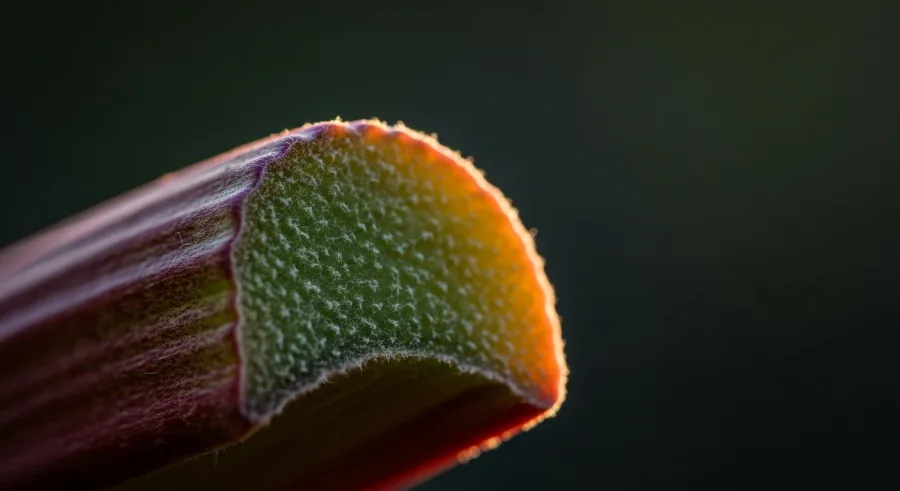
Spring brings few plants as striking as rhubarb, with its magenta stalks and massive, elephant-ear leaves. But those broad leaves have also earned the plant a persistent reputation as a garden hazard. Separating the genuine chemical risks from generations of backyard folklore requires a close look at the plant's unique biology.
The Wartime Pamphlet That Started a Panic
The fear of this tart perennial did not emerge from thin air. During the severe food shortages of World War I, the British government found itself desperate to identify alternative local food sources for a struggling civilian population. In 1917, agricultural authorities distributed pamphlets recommending that families harvest and cook rhubarb leaves as a vegetable substitute to stretch their rations. The advice was a profound miscalculation.
Medical literature from the era soon recorded outbreaks of severe gastrointestinal illness, and at least one widely publicized death was directly attributed to a meal of stewed rhubarb leaves (Compound Interest, 2015). The pamphlets were quickly retracted, but the cultural memory of the event became permanent.
Generations of gardeners passed down the warning that the broad, green leaves of the pie plant were a deadly hazard. The historical context of wartime scarcity—where people were hungry enough to consume massive portions of an unfamiliar forage crop—was largely forgotten, leaving only the stark warning behind.
The Mathematics of Plant Defenses
Several pounds. That is roughly the minimum amount of raw rhubarb leaves a 150-pound adult would need to consume to ingest a fatal dose of oxalic acid.
Oxalic acid is a naturally occurring organic compound that plants use to deter herbivores and manage their own internal calcium levels. Rhubarb leaves contain approximately 0.5 grams of oxalic acid per 100 grams of fresh tissue. For human beings, the median lethal dose of oxalic acid is estimated at 375 milligrams per kilogram of body weight. Reaching the necessary 15 to 30 grams of pure oxalic acid to trigger a fatal event requires eating a volume of foliage that most humans would find physically impossible to stomach, especially given the extreme astringency of the raw plant.
Interestingly, many common salad greens contain similar or even higher levels of this exact compound. Swiss chard and spinach routinely clock in at 600 to 700 milligrams of oxalic acid per 100 grams, yet they do not share rhubarb's sinister reputation. The sheer volume required for lethal toxicity means that while the leaves are genuinely unsafe as a dietary staple, a stray bite by a curious toddler or a pet is highly unlikely to cause a catastrophic medical emergency.
The True Cause of the Discomfort
What actually caused the historical illnesses is still debated among botanists and toxicologists. Some modern plant scientists suspect that oxalic acid took all the blame for a biological reaction that had an accomplice.
While it takes pounds of leaves to deliver a lethal dose of oxalates, the foliage also contains a class of compounds known as anthraquinone glycosides. These chemicals are aggressive natural laxatives. In fact, the roots of the rhubarb plant contain such high concentrations of anthraquinones that they have been harvested for centuries in traditional Chinese medicine specifically for their potent cathartic effects.
When humans consume the leaves, these glycosides pass through the upper digestive tract and are activated by the gut microbiome in the colon. Once metabolized by local bacteria, they irritate the lining of the gastrointestinal tract, drawing water into the intestines and causing rapid, severe cramping, vomiting, and diarrhea. It is highly probable that the acute digestive distress noted in the 1917 medical reports was driven primarily by anthraquinone toxicity rather than pure oxalic acid poisoning. The patient's immediate suffering was chemical irritation, not instant kidney failure.
The Cold Weather Migration Theory
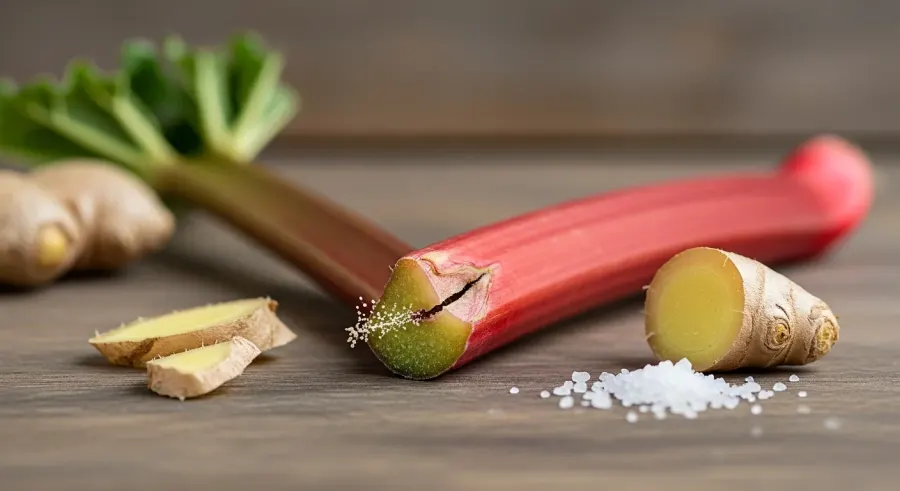
Does a hard frost push toxins down into the edible stalks? A persistent piece of agricultural lore warns that if a late spring freeze hits a rhubarb patch, the oxalic acid in the damaged leaves will rapidly migrate down the petiole, rendering the entire plant poisonous.
Plant physiologists point out that there is virtually no botanical evidence to support this mechanism. When a hard freeze strikes, the water inside the plant's cells expands and forms ice crystals, which mechanically puncture the cell walls. Once those cells rupture and die, the vascular transport system (the phloem) that moves nutrients and chemicals throughout the plant is completely destroyed. Oxalic acid cannot actively migrate through dead, ruptured tissue.
The real reason agricultural extension offices advise against harvesting frost-bitten stalks is culinary quality. The destruction of the cell walls turns the firm, crisp stalks into a weeping, mushy mess that ferments and spoils rapidly. A frozen stalk will ruin the texture of a baked good, but the cold weather does not magically fill it with a lethal dose of acid.
The Chemistry of Dairy Pairings
Cooking the safe parts of the plant actually alters how your body processes the residual organic acids. The intense tartness of the stalk, often mistakenly attributed entirely to oxalic acid, actually comes primarily from malic acid—the same harmless organic acid that gives green apples their sharp bite. The stalks themselves are chemically benign and surprisingly light on macronutrients. According to USDA FoodData Central, a 100-gram serving of raw rhubarb stalks contains just 21 calories, 4.54 grams of carbohydrates, and 1.8 grams of dietary fiber.
While the stalks contain significantly less oxalic acid than the leaves, they still carry a trace amount. This is where traditional cooking methods offer an unintended biochemical benefit. The classic culinary pairings for this tart vegetable—such as pouring heavy cream over a crumble, baking it into a butter-rich pastry, or serving it with a scoop of vanilla ice cream—serve a functional chemical purpose.
Oxalic acid binds aggressively to minerals. When you consume rhubarb alongside a calcium-rich food like dairy, the oxalates bind with the calcium in your digestive tract to form calcium oxalate before the compounds can enter your bloodstream. Because calcium oxalate is insoluble, it simply passes through the digestive system as waste. If you eat high-oxalate foods without a calcium pairing, the binding process can happen later in the kidneys, which increases the risk of kidney stone formation. The traditional pairing of milk and rhubarb is not just a flavor balancing act; it is a subconscious mitigation of the plant's natural anti-nutrients.
Bottom Line
The line between a nourishing ingredient and a toxic hazard is often determined by plant anatomy and historical context. Rhubarb is a clear example of how crops develop complex chemical defenses to survive in the wild, requiring humans to figure out the exact parameters for safe consumption. Leaving the broad leaves behind in the garden is a simple acknowledgment of that biological boundary.